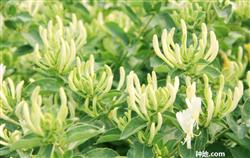
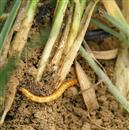
How does Stemona propagate? It mainly relies on two methods: seed propagation and division propagation.
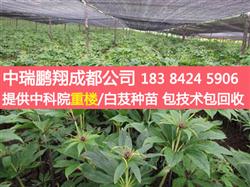
Stemona is a commonly used perennial Chinese medicinal herb, with its tuberous roots used as medicine; it has the effect of moistening the lungs and relieving cough, and in the wild it is mostly found on warm, humid mountain slopes at the forest edge and in thickets. In cultivation, Stemona is mainly propagated in two ways: seed propagation and division propagation, and growers can choose the appropriate method according to the seed source situation and the scale of cultivation.
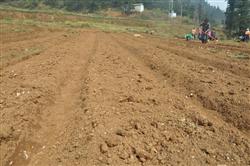
Seed propagation is the more commonly used method. After the fruit matures, pick it, take out the seeds, and it is best to sow them immediately after collection, or they can be stored in moist sand until sowing in the following spring. Before sowing, prepare the seedbed by breaking up the soil finely, raking it level and applying sufficient base fertilizer, then broadcast the seeds evenly or sow them in drills and cover with a thin layer of soil, keeping the soil moist. Stemona emerges rather slowly, and during the seedling stage attention should be paid to shading, weeding and moisture retention; after the seedlings have been grown for about one year, they can be transplanted and set out.
Division propagation is mostly carried out in conjunction with harvesting or replanting. Dig up the entire clump of the mother plant, and along the buds divide the root heads with fibrous roots into several small plants, each retaining one to two vigorous buds, and plant them as soon as they are divided. When planting, open holes at appropriate row and plant spacings, with the buds facing upward, cover with soil and press firm, then water thoroughly to settle the roots. Division propagation has a high survival rate and takes effect quickly, but the number of propagules is limited, making it suitable for small-area cultivation.
No matter which propagation method is used, Stemona prefers warmth and humidity, tolerates shade but fears waterlogging, and is best planted in sandy loam with deep, loose, fertile soil and good drainage. During the growing period, carry out intertillage and weeding and timely topdressing, drain excess water promptly in the rainy season, and pay attention to replenishing water during drought, creating good conditions for the tuberous roots to expand.
Related Reading