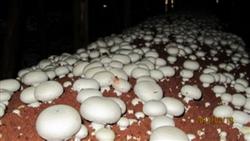
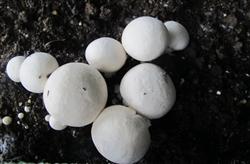
Composition of Button Mushroom Compost and Its Preparation and Fermentation Method
Button mushroom compost is the substrate that provides nutrients for mycelial growth and mushroom production when cultivating button mushrooms (Agaricus bisporus). It is usually made with crop straw and livestock and poultry manure as the main materials, supplemented with materials such as cake fertilizer, gypsum and lime. The quality of the compost directly affects mycelial vigor and subsequent mushroom production, making it the most fundamental part of button mushroom cultivation.
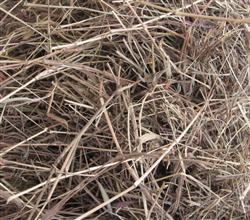
Common formulas mostly use straw such as rice straw and wheat straw combined with manure such as cow manure and chicken manure in a compost pile to form a manure-straw compost; there are also synthetic composts that use little or no manure and are based mainly on straw. Whichever type is used, it requires a suitable carbon-to-nitrogen ratio, a loose and airy texture, and good water-holding capacity to meet the needs of normal mycelial growth.
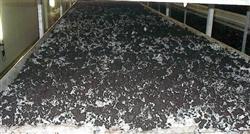
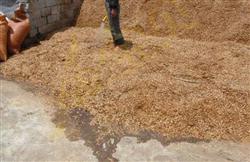
During preparation, the straw is first fully pre-wetted, then piled in layers with the manure and supplementary materials, and the compost is matured through primary fermentation and secondary fermentation. Properly fermented compost is generally brown, free of ammonia odor and sour or foul smells, and soft yet springy in texture. The secondary fermentation stage can further kill residual insect eggs and contaminating microorganisms in the compost, reducing the risk of pests and diseases during the mushroom production period.
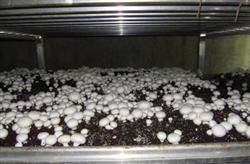
Before use, the compost should be spread into the mushroom beds, with water content and pH adjusted properly, then spawned at the right time with good insulation and moisture retention. If fermentation is incomplete or moisture is poorly controlled, problems such as mycelium failing to colonize the compost and contamination by foreign microorganisms are likely to occur, so when building the pile, the two key points of raw material ratio and turning timing must be well controlled.
Related Reading