What are the precautions for cultivating button mushrooms?
What should be noted when cultivating button mushrooms? Are there experienced netizens who can help explain? Button mushroom cultivation is a mushroom variety that has emerged in recent years. Based on button mushroom cultivation, Zhongdiwang has compiled some precautions to note during the cultivation process. The following are listed in detail for netizens' reference. Note 1: Cultivation...
 What should be noted when cultivating button mushrooms? Are there experienced netizens who can help explain?
Button mushroom cultivation is a mushroom variety that has emerged in recent years. Based on button mushroom cultivation, Zhongdiwang has compiled some precautions to note during the cultivation process. The following are listed in detail for netizens' reference.
Note 1: The cultivation material must be fully pre-wetted:
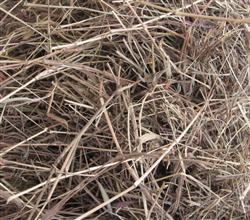
The rice straw used for cultivating button mushrooms should be fully soaked to facilitate fermentation. Rice straw that has not been fully soaked requires a large amount of water supplementation when turned. If the water cannot be replenished sufficiently before the second turning, it will be very difficult to replenish afterward, which will affect the growth of the mycelium.
Note 2: The cultivation material must be turned evenly:
When turning the button mushroom cultivation material, the principle of "raw material in the middle, cooked material on both sides; the middle goes to the two ends, the two ends go to the middle" should be followed. If this principle is not followed when turning, the compost will ferment unevenly and the purpose of turning will not be achieved.
Note 3: The soil used for casing should be treated and disinfected:
Some farmers use untreated garden soil for casing, and some also add incompletely decomposed cow manure. Such soil often carries a large number of pathogens and insect eggs, which can easily cause various diseases.
Note 4: Points to note when casing:
New farmers habitually equate cultivating button mushrooms with cultivating other crops, and add urea during casing, resulting in an overly strong ammonia smell and causing the mycelium to die.
Note 5: Do not spray water indiscriminately:
Spraying "closed-door water" during the high-temperature early stage of button mushroom cultivation will create a high-humidity environment, causing mycelium emergence, mycelial mat formation, and death of small mushrooms; spraying "closed-door water" in the later stage can easily cause mycelial degeneration and premature aging.
Note 6: Timely prevention and control of pests and diseases:
Because some farmers lack basic knowledge of identifying and controlling pests and diseases, they often begin control only when pests and diseases have become severe, thus missing the best period for control and causing severe yield reduction in button mushrooms.
Watering methods for cultivating button mushrooms
Management methods for cultivating button mushrooms