Button Mushroom Summer Cultivation Methods and Key Technical Points
How to cultivate button mushrooms in summer? Please provide an introduction to the methods. There are two types of summer button mushrooms: one is the high-temperature type button mushroom, and the other is the off-season product of common button mushrooms. Button mushrooms themselves have always been in high demand on the international market, and summer button mushrooms, due to reasons such as low production input quantities and low yield levels, are even more widely...
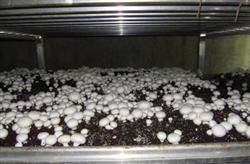
How to cultivate button mushrooms in summer? Please provide an introduction to the methods
There are two types of summer button mushrooms: one is the high-temperature type button mushroom, and the other is the off-season product of common button mushrooms. Button mushrooms themselves have always been in high demand on the international market, and summer button mushrooms, due to reasons such as low production input quantities and low yield levels, are even more closely watched by a large number of buyers. Before 2006, the market price of summer button mushrooms remained consistently high. Even for large-scale production bases, the exclusive sales price was mostly around 6 yuan per kg, while for small-scale production, self-produced and self-sold, or retail sales methods, it was mostly around 8 yuan, creating a situation of thriving both production and sales.
It is expected that the price of summer button mushrooms will continue to rise this summer, and the probability of the wholesale price breaking through 10 yuan per kg is very high. The reasons are: constraints from spawn, constraints from production technology especially summer cultivation technology, instability of high-temperature type strains, and limitations of facilities when cultivating common strains. Generally, the retail price will hover around 16 yuan per kg.
For summer cultivation, high-temperature type strains can generally be selected, but attention should be paid to fruiting tests and verification tests of the spawn to ensure a relatively high success rate. When cultivation facilities such as civil air defense works, self-built soil caves, and natural mountain caves are available, if the temperature is below 20°C, choosing the "2796" strain can maximize yield and effectively improve the marketability of the product. Key points: First, the basic formula using manure and straw materials is (taking wheat straw as an example): wheat straw 4000 kg, cattle manure powder 2000 kg, superphosphate 100 kg, urea 80 kg, cottonseed cake 60 kg, lime powder 100 kg, gypsum powder 80 kg, calcium carbonate 100 kg, mushroom disease eliminator 40 bags, edible fungus three-dimensional nutrient essence (mixing type) 16 bags. Farmers with biogas digesters can add 1000 kg of biogas residue to the formula. Second, select and make spawn independently as needed, and try not to purchase third-generation spawn, so as to reduce production costs as much as possible. Third, improve management levels, raising the yield per unit area from about 8 kg per sq m to more than 12 kg, which can more than double the benefit. Finally, under the guidance of the "green principle", pay attention to the prevention and elimination of diseases, pests, and contaminating fungi.
Click to get more button mushroom cultivation techniques
Click to get more edible fungus cultivation techniques