The cultivation method for reishi mushroom (Ganoderma lucidum) is the foundation for obtaining high-quality fruiting bodies
Reishi mushroom (Ganoderma lucidum) is an important medicinal fungus, and artificial cultivation methods fall mainly into two categories: substitute substrate cultivation and log cultivation. Substitute substrate cultivation uses sawdust, cottonseed hulls, wheat bran and other materials as raw materials, has lower costs and a shorter cycle, and is suitable for large-scale production; reishi mushrooms grown on logs usually have a denser texture, but the growing cycle is relatively longer.
Temperature, humidity and ventilation are the key conditions for reishi cultivation. During the mycelial growth stage, around 25 to 30 degrees is generally suitable, and the relative air humidity should be kept at 60 to 70 percent; after entering the fruiting stage, humidity needs to be raised to above 85 percent, and an appropriate amount of scattered light should be provided to promote normal differentiation of the fruiting bodies. Poor ventilation easily leads to thin and elongated stipes and undersized caps, so regular air exchange should be ensured.
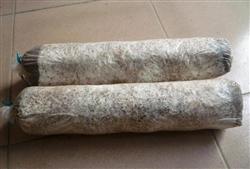
During cultivation, first fill the substrate into bags and sterilize them, then inoculate with spawn after cooling, and place them in a clean, light-proof incubation room for culturing. During the incubation period, contamination by competing microorganisms must be prevented, and contaminated bags should be removed promptly. After the mycelium has fully colonized, open the bag mouths or carry out soil casing, and switch to fruiting management; normally moisten by misting, and avoid direct heavy watering that can damage young mushrooms.
When reishi mushrooms mature, the edge of the cap turns from white to brown and begins to release spore powder, at which point they can be harvested in batches. After harvest, the reishi mushrooms should be dried promptly and stored sealed to prevent moisture damage and mold. Throughout the entire cultivation process, insect control and prevention of contamination by competing microorganisms are the core steps for ensuring yield and quality.
Related Reading