For enoki mushroom (Flammulina velutipes) cultivation, the optimal season is the low-temperature period in autumn and winter.
Enoki mushroom (Flammulina velutipes) is a typical low-temperature edible fungus. Its mycelium has strong adaptability, but the formation and development of the fruiting bodies require lower temperature conditions, so the arrangement of the cultivation season directly affects the success of fruiting and the quality of the crop. Under natural climate conditions, most production areas sow in autumn and winter, with fruiting mainly from late autumn to early spring.
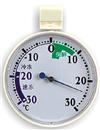
In terms of temperature requirements, enoki mushroom generally prefers a lower ambient temperature during the fruiting stage, and a suitable temperature difference also helps stimulate primordium formation. If high temperatures occur during the fruiting period, they can easily lead to contamination by competing microorganisms, soft fruiting bodies, or deformities, and market quality drops noticeably. Therefore, when arranging the season, local climate conditions should be taken into account, the hot period should be avoided, and the fruiting peak should fall in the cool season.
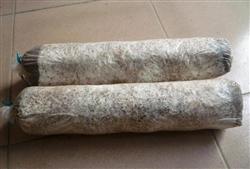
Suitable sowing dates vary from region to region. In the north, autumn temperatures drop early, so sowing can be moved forward appropriately; in the south, autumn arrives later, so sowing is delayed accordingly, and winter and early spring are also major fruiting windows. Growers can calculate the inoculation time backward based on the number of days needed for the mycelium to fully colonize the substrate bags, ensuring that the mycelium in the bags matures just as low temperatures arrive.
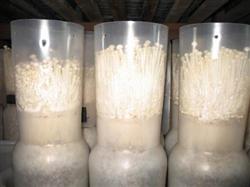
With the development of protected agriculture, factory cultivation using temperature-controlled equipment such as cold storage can achieve year-round production of enoki mushroom without being limited by natural seasons. However, for ordinary growers who rely on natural climate conditions, choosing the right cultivation season is still the foundation for stable yield and high quality. It is better to sow slightly later than to rush fruiting during a high-temperature period.
Related Reading