How to Grow Wood Ear Mushrooms: Mastering the Key Points of Selection and Management
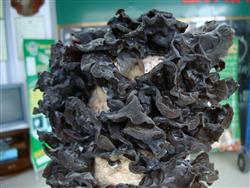
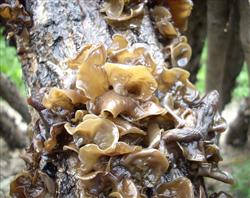
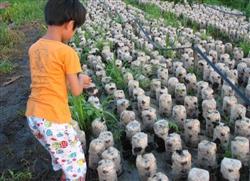
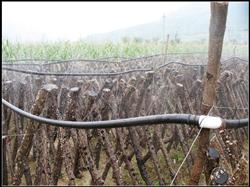
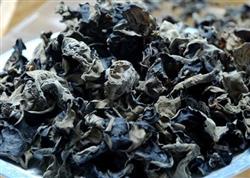
Wood ear mushroom (Auricularia heimuer) is a common gelatinous edible fungus. Artificial cultivation is currently mostly done in plastic bags, that is, using sawdust, cottonseed hulls and other materials to prepare a growing substrate, filling bags, sterilizing them, then inoculating them with spawn, and moving them to the fruiting site for management. This method has low cost and is simple to operate, making it suitable both for small-scale cultivation by farmers and for arranging fruiting in greenhouses or under forest canopy.
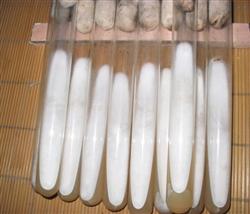
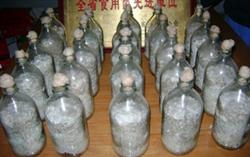
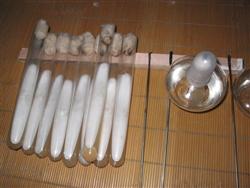
The first step in cultivation is selecting good spawn and growing substrate. The spawn should have white, robust mycelium with no contamination by foreign microorganisms; choosing a variety suited to the local climate often results in more uniform fruiting. The growing substrate must be fresh and dry, and after bagging it must be thoroughly sterilized; once the substrate temperature has cooled, inoculation should be carried out in a clean environment. This helps reduce the introduction of contaminating microorganisms and lowers the possibility of log rot.
After inoculation, the spawn bags should first be placed in a dark, warm environment for mycelial growth, and once the mycelium has fully colonized the bags, holes are opened to induce fruiting. During the fruiting stage, the air should be kept moist with good ventilation; moisture can be replenished by misting, but care should be taken to avoid water accumulating inside the bags. The fruiting bodies can be harvested when they have spread out and become elastic; after harvest, watering should be paused appropriately to rest the mycelium, and the bags can still produce a second flush.
The common problems during cultivation are mainly log rot and fruiting body decay, mostly caused by high temperature and high humidity, poor ventilation, or improper water management. In daily care, attention should be paid to controlling temperature and humidity, and contaminated bags should be removed promptly. After fruiting begins, it is also necessary to watch for contaminating microorganisms and pests, and to keep the site clean. Overall, the cultivation technique for wood ear mushroom is not complicated; the key is to do well at the checkpoints of spawn selection, sterilization, and fruiting management.
Related Reading