How to prevent and control insect pests during the storage period of wood ear mushrooms?
How to prevent and control insect pests during the storage of wood ear mushrooms? Please introduce detailed control methods. For methods of preventing and controlling insect pests during the storage of wood ear mushrooms, you can refer to the following methods: 1. Eliminate insect sources: The insect pests that damage wood ear mushrooms include the long-horned grain beetle, termites, grain moths, and so on. They often overwinter in warehouse cracks, debris, packaging materials, and other places, so before...
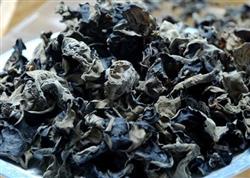 How to prevent and control insect pests during the storage of wood ear mushrooms? Please introduce detailed control methods
For methods of preventing and controlling insect pests during the storage of wood ear mushrooms, you can refer to the following methods:
1. Eliminate insect sources:
The insect pests that damage wood ear mushrooms include the long-horned grain beetle, termites, grain moths, and so on. They often overwinter in warehouse cracks, debris, packaging materials, and other places. Therefore, before storing wood ear mushrooms, indoor debris and outdoor weeds should be cleared away, and an empty warehouse should be disinfected with 80% dichlorvos emulsifiable concentrate. Generally, at 0.20 to 0.30 grams per square meter, dip gauze strips in the liquid medicine and hang them in the room, keep it sealed for 2 to 3 days, then ventilate for 1 day, and the wood ear mushrooms can then be loaded into the warehouse. Finally, spread lime powder, malathion, and so on around the warehouse to prevent outdoor pests from entering the room.
2. Prevent moisture:
After wood ear mushrooms absorb moisture, they are very likely to suffer insect damage. Therefore, before being put into storage, they must be dried so that the moisture content of the wood ear mushrooms does not exceed 12%, and they should be spread out to air-dry and then packed into plastic bags or aluminum cans, sealed, and placed in wooden boxes or cardboard boxes lined with moisture-proof paper. Desiccants such as dry wood shavings and quicklime can be placed in the boxes for moisture protection. Check once every 10 to 15 days. If the desiccant has already absorbed moisture, take it out, sun-dry it or dry it by heat, and then put it back in the box. If the wood ear mushrooms regain moisture, they should be re-dried promptly.
3. Kill insects promptly:
If insect pests are found during storage, measures should be taken to kill them promptly. First, expose the wood ear mushrooms to strong sunlight for 1 day, or use a dryer at about 50°C for 40 minutes to kill the insect pests; second, sealing the warehouse continuously for more than 20 days can kill all the insect pests; third, in the warehouse, extract oxygen and introduce nitrogen, or inject carbon dioxide gas into the room to reduce the indoor oxygen content to below 2%. After two days, the insect pests suffocate and die. This method can achieve 100% prevention.
4. Closed-warehouse fumigation:
When insect pests occur in large numbers during the storage period of wood ear mushrooms, a fumigant should be used to fumigate the warehouse. This method shows obvious results in a short time. The commonly used fumigant is aluminum phosphide. Generally, use 6 to 9 grams per cubic meter of space, place it in scattered spots inside the warehouse, keep it sealed for 96 hours at above 12°C, and after fumigation is finished, ventilate and let the gas disperse for more than 10 days.
Click to get more wood ear mushroom cultivation techniques
Click to get more edible fungus cultivation techniques