Methods and Key Techniques for Grafting Camellia onto Oil Tea Trees
Grafting camellia onto oil tea trees is a propagation method that uses an oil tea plant as the rootstock and a camellia branch as the scion. Oil tea and camellia both belong to the genus Camellia in the family Theaceae, and they are fairly closely related, so the graft union shows good compatibility, which is why this method is widely used in horticultural cultivation.
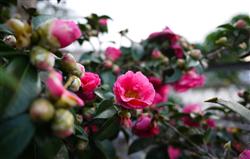
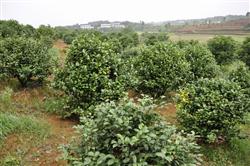
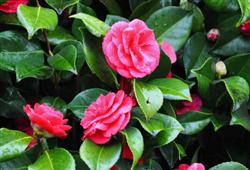
Oil tea has a well-developed root system, tolerates drought and poor soil, and adapts strongly to mountainous environments. When oil tea is used as the rootstock for grafting camellia, the scion can draw sufficient water and nutrients through the vigorous root system of the rootstock, so it often grows more vigorously and its stress resistance is also improved to some extent. Top-grafting old oil tea trees to replace their crowns can also quickly form an ornamental plant shape, combining economic and ornamental value.
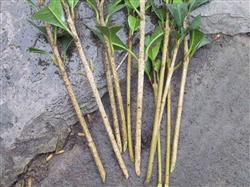
Grafting is mostly carried out in seasons with suitable temperatures and active sap flow, and the commonly used methods include cleft grafting, cut grafting, or bark side grafting. The scion should be selected from semi-lignified branches of superior varieties that are growing vigorously; the cut surface should be smooth, and after aligning the cambium layers with the rootstock incision, tie it tightly, then cover it with a bag to retain moisture and provide appropriate shade to reduce water loss and increase the survival rate.
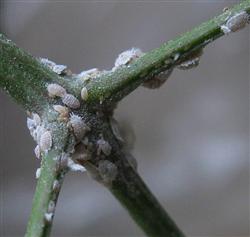
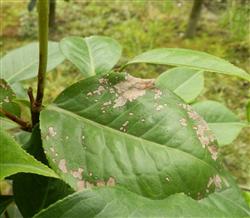
After grafting, the graft union should be observed frequently, and shoots sprouting from the rootstock should be removed promptly to avoid diversion of nutrients. Once the graft has taken, gradually provide ventilation and light, and remove the wrapping only after the union has completely healed. Later care is similar to that of ordinary camellias: they prefer loose, fertile, acidic soil, and should be protected from waterlogging and harsh sun exposure. At the same time, watch for common pests and diseases such as anthracnose and scale insects, keep the environment well ventilated, and prevent and treat them early.
Related Reading