Millennium-old ancient camellia trees are precious living artifacts, and their daily care requires special attention
Millennium-old ancient camellia trees refer to old camellia trees with a tree age of several hundred years or even more than a thousand years, belonging to the evergreen shrubs or small trees of the genus Camellia in the family Theaceae. Such ancient trees mostly grow in the mild and humid mountainous areas, villages and near temples of southern China, and can still bloom normally after wind and rain, and are often called living artifacts of the plant world.
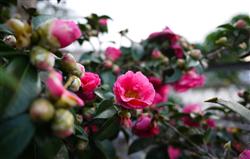
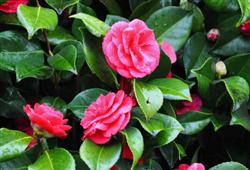
Morphologically, ancient camellia trees generally have thick main trunks, cracked bark, and gnarled branches, with crowns far taller and larger than ordinary cultivated camellias. Although they are of great age, they can still produce relatively large and brilliant flowers at each flowering season, with flower colors mostly red, pink, white, etc. They have a long lifespan and strong adaptability, and combine ornamental value, scientific research value and cultural value, and are often regarded by local people as landmark trees of villages or ancient temples.
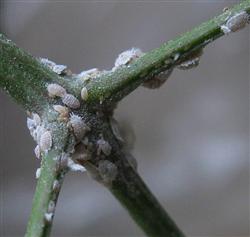
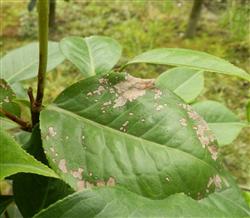
In caring for millennium-old ancient camellia trees, the key lies in protection rather than transformation. The soil at the roots should be kept loose, breathable and well-drained, and decomposed organic fertilizer can be applied appropriately, while avoiding piling heavy objects or compacting the ground within the crown area. In daily care, attention should also be paid to pests such as scale insects, aphids and red spider mites as well as leaf diseases, and timely control should be carried out once discovered, with moderate pruning of dead branches and diseased branches. In principle, ancient trees should not be transplanted at will, nor should they be pruned excessively, so as to avoid weakening the tree's vigor.
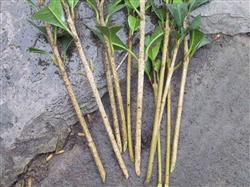
In terms of application, ancient camellia trees are not only unique ornamental and tourism resources, but also preserve precious genetic resources for the study of camellia varieties. The propagation of ordinary camellias mostly uses asexual propagation methods such as cuttings and grafting; for example, camellias can be grafted onto oil-tea camellia rootstock to obtain offspring with stable traits. Nowadays, awareness of protecting ancient camellia trees is constantly increasing in various places, and more and more ancient trees are being registered, documented and labeled for care, allowing this natural and cultural heritage to continue.
Related Reading