Grafting Camellias: Propagation Methods and Care Essentials
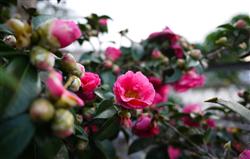
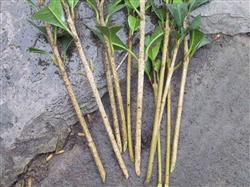
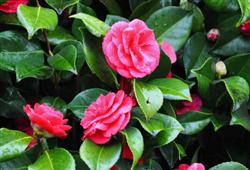
Grafted camellia refers to camellia plants propagated and raised by grafting, generally using oil-tea camellia or common camellia seedlings as the rootstock, with healthy branches of superior camellia varieties selected as the scion. Compared with cuttings propagation, grafting can produce a formed plant more quickly, and it can also make a single camellia plant bear flowers of multiple colors, giving it higher ornamental value.
Grafting is mostly carried out in late spring and early summer or in autumn, when sap flow is active and the graft union heals relatively quickly, so the survival rate is relatively high. Commonly used methods include cleft grafting, cut grafting and side veneer grafting, etc. During the operation, the cambium layers of the rootstock and scion must be aligned, and the graft union should be tied with plastic film to retain moisture. After grafting, the plant should be kept in a semi-shaded, ventilated place, avoiding direct strong light and keeping water off the graft union. Once the scion sprouts new buds, the binding material can be gradually removed.
Once established, grafted camellias prefer a warm, humid, semi-shaded growing environment and are best planted in loose, fertile, well-drained, slightly acidic soil. For routine watering, water when the soil is dry and let it dry out between waterings, avoiding waterlogging that can cause root rot. During the peak growing season, a light application of acidic fertilizer can be given, and during the bud stage, buds should be thinned appropriately so that nutrients are concentrated and the flowers bloom more fully.
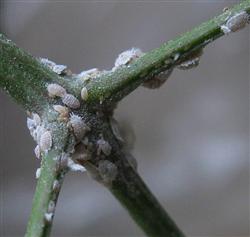
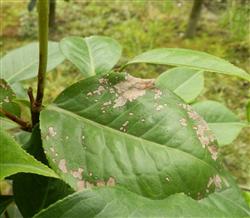
Common problems in care include anthracnose, sooty mold, and pests such as scale insects and red spider mites. Usually maintain ventilation and light penetration, promptly prune diseased branches and leaves, and take preventive measures. If the scion wilts or gummosis appears at the graft union, it is mostly related to tying too tightly or wound infection, and it should be checked and treated as early as possible to ensure healthy plant growth.
Related Reading