How to Water Camellias: Mastering Watering Methods and Precautions for All Four Seasons
Camellias (Camellia japonica) prefer a humid environment, but their roots are fleshy, so they fear both waterlogging and prolonged drought. The general principle of watering is: do not water when the soil is not dry, and when you do water, water thoroughly. To judge whether watering is needed, you can observe the surface of the potting soil and water again once the top layer turns pale and dry; you can also weigh the pot in your hand, and if it feels noticeably lighter, the soil is short of water.
The amount of water given should vary with the season. Spring and autumn are the periods of vigorous growth for camellias, so the potting soil can be kept moist, watering as soon as it dries. In summer, when temperatures are high and water evaporates quickly, it is best to water in the early morning or evening, avoiding the high-temperature period at noon, and you can also spray water on the leaves and the surrounding area to cool things down and raise humidity. In winter, camellias grow slowly and need less water, so watering should be controlled and the potting soil kept on the dry side; the water temperature should ideally be close to room temperature, to avoid cold water shocking the roots.
As for water quality, camellias prefer acidic soil, so natural soft water such as rainwater or river water is best. If tap water is used, it is advisable to let it sit for a day or two until the chlorine has evaporated before use. Water in northern regions tends to be alkaline, and long-term direct watering can easily make the soil alkaline; you can periodically water with diluted alum fertilizer water or ferrous sulfate solution to help keep the soil slightly acidic.
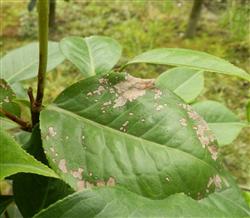
When watering, also take care to pour onto the soil as much as possible, avoiding direct splashing onto buds and flowers, to prevent rot or bud drop. Overwatering is a common problem in camellia care. If yellowing and falling leaves, dropping buds and similar symptoms appear, it is most likely related to overly wet potting soil and damaged roots; you should promptly reduce watering, loosen the soil and improve ventilation, and in severe cases you can remove the plant from the pot to check the roots and replace the soil with a loose, breathable mix.
Related Reading