Characteristics of Nandina Roots and Detailed Care Precautions
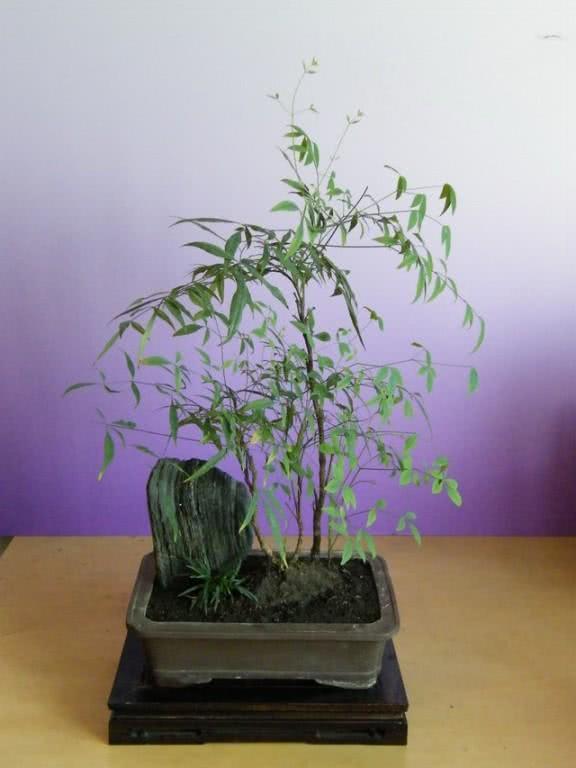
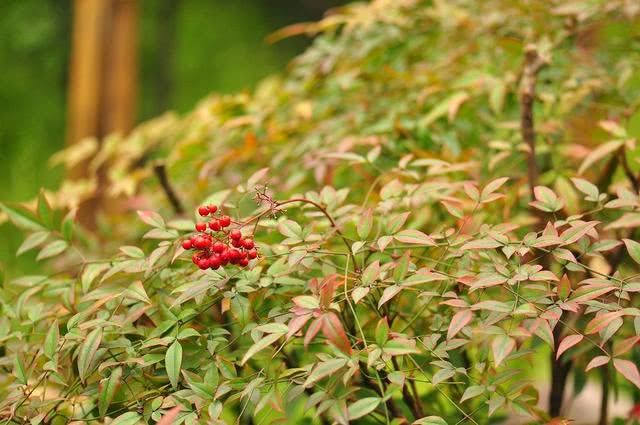
The nandina root is the underground part of nandina (Nandina domestica), an evergreen shrub in the barberry family (Berberidaceae). Nandina, also known as heavenly bamboo, has graceful, upright branches and leaves; in autumn and winter its leaves turn red and its berries are bright red, making it a common tree in courtyard landscaping and bonsai making. Its roots reach deep into the soil, absorbing and transporting water and nutrients, and are the key to how well the whole plant grows.
In terms of form, nandina roots are hard in texture, with a relatively thick main root and well-developed fibrous roots, and they have a distinctly bitter taste. In traditional Chinese medicine, they are considered to have wind-dispelling, heat-clearing and dampness-removing effects, and are generally used in medicinal formulas. It must be especially noted that the entire nandina plant contains alkaloids and is somewhat toxic, so never dig it up and decoct it for drinking on your own; if you need it for medicinal use, be sure to consult a professional physician.
In home care and bonsai making, root management directly determines how well the plant grows. When potting or repotting, you may appropriately prune away old roots, rotten roots and overly dense fibrous roots to encourage new root growth. Use loose, breathable soil with good drainage; after planting, water thoroughly to settle the roots, first place the plant in a semi-shaded, ventilated spot to recover, and only gradually increase light once it has established.
The most common root problem in daily care is root rot, mostly caused by overly frequent watering or heavy, sticky potting soil that holds water. Watering should follow the principle of watering when dry and letting it dry between waterings; drain promptly during the rainy season, as prolonged waterlogging can easily cause leaves to yellow and drop. Only by keeping the roots healthy can nandina grow lush and full and look even better.
Related Reading