How to Grow Nandina? Care Methods and Precautions
Nandina is an ornamental plant, and many people have concerns about growing it because it is toxic. In fact, as long as you follow the correct growing methods, it can be cultivated without issue. Today let's take a look at the precautions for growing nandina.
Is Nandina Toxic?
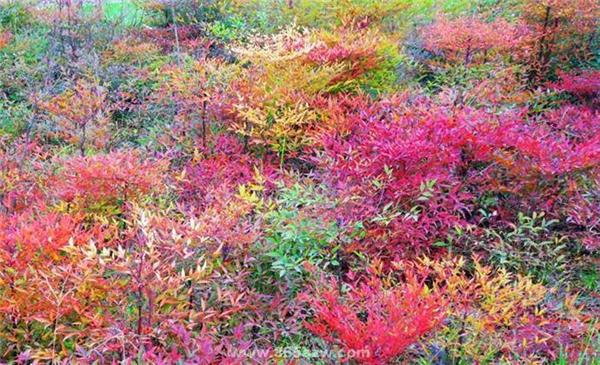
The entire nandina plant is toxic. Symptoms of poisoning include excitement, a pulse that is first fast and then slow and irregular, decreased blood pressure, muscle spasms, respiratory paralysis, and coma. Nandina is toxic because its sap contains nandinine and domesticine. Nandinine has a relatively strong effect on the central nervous system, can increase spinal reflexes, and finally leads to paralysis; domesticine has an inhibitory effect on the cardiovascular system and skeletal muscles, causing blood pressure to drop, and in large amounts can cause fatal cardiac paralysis.
Nandina is toxic, but it can still be planted. Experts say that many ornamental plants carry a certain degree of toxicity just like nandina, but as long as you pay attention to cultivation and growing methods, such as placing it outdoors, there is no major harm. Moreover, nandina's toxicity is not great; symptoms of poisoning such as dizziness, vomiting, and coma may only appear if it is accidentally ingested.
Propagation
It can be propagated by sowing, cuttings, division, and other methods. After the fruit ripens in autumn, harvest it and sow immediately, or store it in layered sand until sowing in March of the following spring. After sowing, it generally takes 3 months to emerge, and the seedlings need a shade frame. Seedlings grow slowly, reaching 3-6 cm in height in the first year; after 3-4 years they reach about 50 cm in height and only then can they bloom and bear fruit. For cuttings, use the top part of 1-2 year old branches, 15-20 cm long, either in early March or during the rainy season from July to August; division is mostly done in spring in March when the buds sprout, combined with transplanting or repotting, and can also be done in autumn.
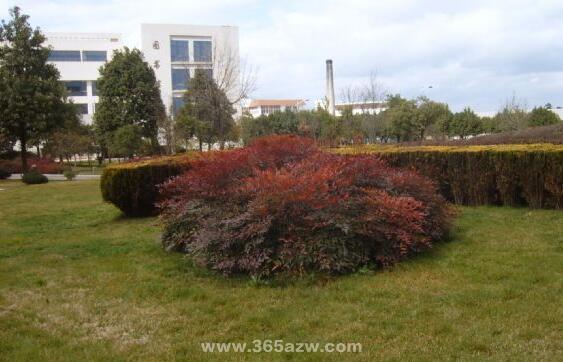
How to Grow Nandina
1. Soil: Nandina requires fertile, well-drained sandy loam for cultivation, and slightly acidic soil is suitable;
2. Sunlight: Nandina is best kept in a semi-shaded, cool, and humid place;
3. Watering: Nandina should be watered by the principle of watering when dry and stopping when wet. In dry seasons, water frequently; in summer, water once a day and mist the leaves 2-3 times to keep the leaf surface moist;
4. Pruning: During the growing season, cut off suckers growing from the roots and densely growing branches, cut off stems with longer fruit clusters, and keep 1 or 2 lower stems to promote flowering and fruiting.
III. The Uses of Nandina
1. Ornamental
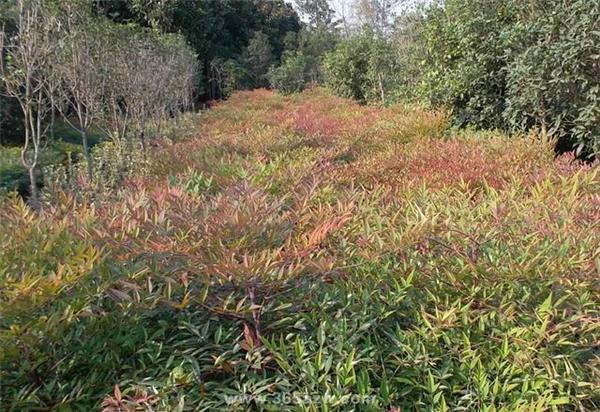
Nandina's stems are upright like bamboo, and its feathery leaves spread out beautifully. In autumn and winter they turn red, exceptionally brilliant, and the spike-like fruit clusters are covered with bright red berries, dazzling to the eye. In classical gardens it is often planted beside rocks and in courtyard corners. Small plants are suitable for potted display to beautify the home.
2. Medicinal
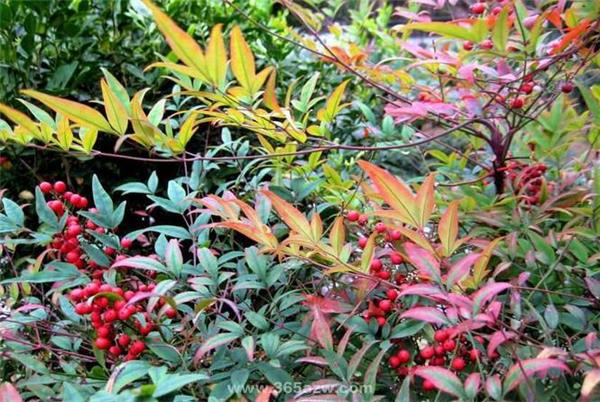
Nandina has relatively high medicinal value. A leaf decoction has an inhibitory effect on Staphylococcus aureus, Shigella flexneri, Salmonella typhi, Pseudomonas aeruginosa, and Escherichia coli. It can treat colds, whooping cough, red and swollen eyes with pain, scrofula, and blood in the urine. The fruit astringes the lungs and stops coughs, clears the liver and improves vision. It treats chronic cough, asthma, and malaria. The root dispels wind, clears heat, removes dampness, and resolves phlegm. It treats wind-heat headache, lung-heat cough, damp-heat jaundice, and rheumatic arthralgia.
The above is an introduction to the precautions for growing nandina. We hope it is helpful to you.