How to cultivate Nandina bonsai? A complete breakdown of the detailed method
Nandina (Nandina domestica) is one of the ornamental plant species favored by bonsai enthusiasts. Its branches are upright like bamboo, its pinnate leaves are elegant, and in autumn and winter they turn red, exceptionally brilliant, and it also bears abundant red berries, bright and eye-catching, with very high ornamental value. Below let us look at the cultivation method of Nandina:
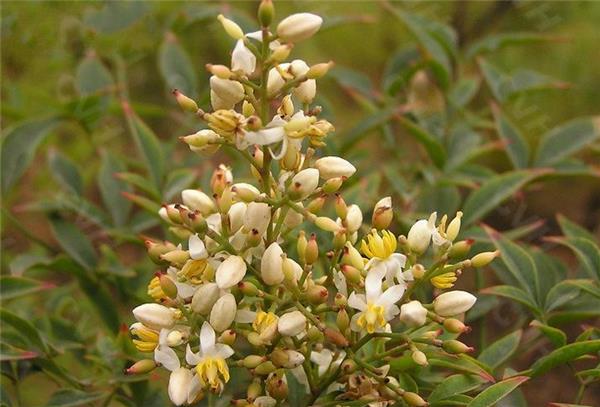
I. How to cultivate Nandina bonsai
Nandina prefers a warm, humid, semi-shaded environment and is slightly cold-tolerant. During the growing season it can be placed outdoors in a well-ventilated semi-shaded spot for care, avoiding scorching sun exposure, otherwise the leaf edges will become scorched and withered, but it also must not be too shaded, lest it bear few or even no fruit. Water according to the principle of "dry then wet", water less during the flowering period to prevent flowers from dropping, and also restrain watering in late autumn and winter. In summer when temperatures are high, water should also be sprayed frequently on the plant and its surroundings to increase air humidity and make the leaf color glossy. During the vigorous growth period from May to June, apply thin fertilizer twice a month. During the growing season, promptly remove shoots sprouting from the roots that are not needed for the shape, and carry out a comprehensive tidying after autumn, pruning diseased and pest-damaged branches, dead and dry branches, and other branches that affect the shape, and shortening overly long branches so as to dwarf the plant and favor the sprouting of new branches in spring. In winter, overwinter it in a cold room; in the relatively warm south it can also overwinter outdoors in a wind-sheltered, sunny spot. Repot once every 2 to 3 years in spring. The potting soil should preferably be a sandy soil rich in humus, loose and fertile, with good drainage and air permeability.
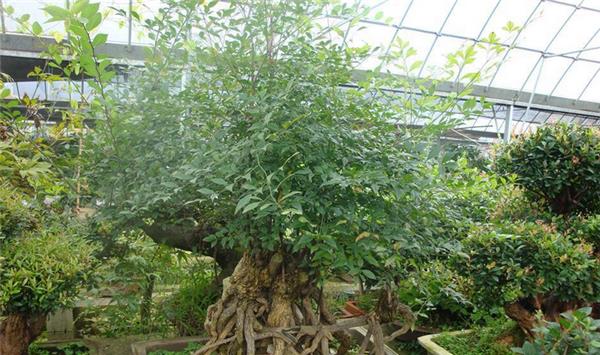
II. Nandina propagation methods
1. Seed propagation
Collect seeds in autumn and sow immediately after collection. On a prepared seedbed, open furrows at a row spacing of 33 cm, about 10 cm deep, and scatter the seeds evenly, with a sowing rate of 90-120 kg per hectare. After sowing, cover with plant ash and fine soil, and press firm. In the second year the seedlings grow rather slowly, so weed frequently, loosen the soil, and apply dilute human and livestock manure and urine. Thereafter, pay attention to intertillage and weeding every year. For topdressing, after 3 years of cultivation they can be lifted from the nursery and planted out. Transplanting is best done in spring after rain. Plant and row spacing are each 100 cm. Before planting, dig up the seedlings with soil; if they cannot be kept with soil, the roots must be dipped in thin mud slurry, so that they are easier to survive after planting. Nandina fruit
2. Division propagation
In spring and autumn, dig out the clump-forming plants, shake off the old soil, and cut apart at the weak points where the bases join, keeping 2 to 3 stems per clump, which must include part of the root system. At the same time cut off some of the larger pinnately compound leaves, then plant in the ground or pot them. After one or two years of cultivation they will bloom and bear fruit.
3. Field management
In the first year after planting, carry out intertillage and weeding and topdressing once each in spring, summer, and winter, and at the same time replant any missing seedlings. Thereafter, carry out intertillage and weeding and topdressing only once each year in spring or winter.
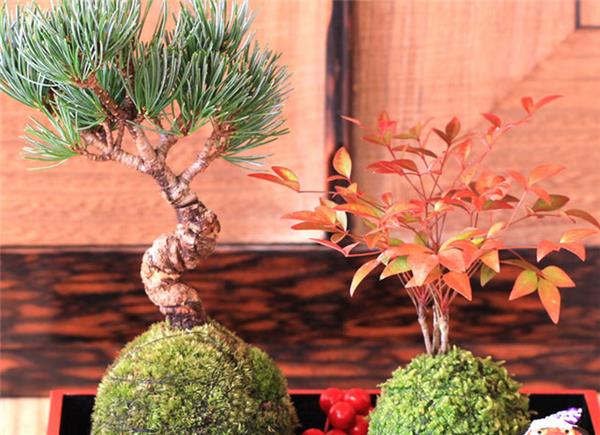
III. Pruning of Nandina bonsai
When potting and planting out, arrange the layout according to the arrangement of the trunks, the matching of heights, and the density from front to back and left to right, and plant them mostly as forest-style or multi-trunk-style bonsai.
The branches should be cut back once every year. Newly planted bonsai should be pruned once according to the height of the trunks and the density of the branches and leaves. In early spring of the second year, cut off the shoot tips grown in the previous year. The length to which each trunk is cut should follow the arrangement requirements of the forest style or multi-trunk style. At the same time cut off dead branches and withered leaves. By cutting the shoot tips every year, one can avoid the phenomenon of the main trunks growing taller year after year while the companion trees grow shorter and weaker the more they are planted.
Nandina can be repotted once every 2-3 years. When repotting, combine it with root trimming and soil replacement. When the arrangement and distribution of the trees need to be adjusted, they can be replanted in a new layout. Generally, choose thick trunks to plant in the main position, and use thin trunks as companions planted to the left, right, front, and back of the main tree. When replanting, it is necessary to cut back the trunk once, so that the height distribution of the trunks is natural.
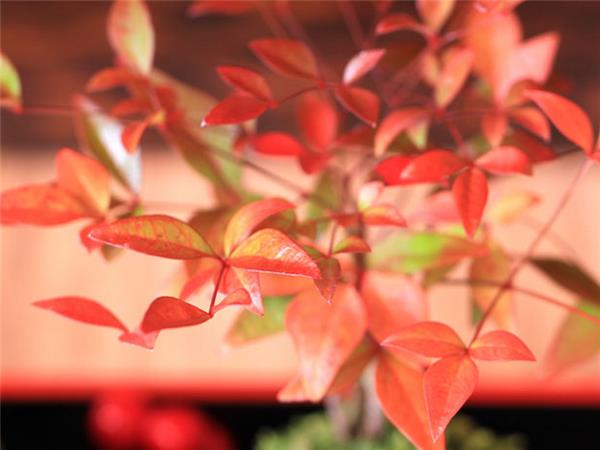
Nandina is a foliage-and-fruit ornamental plant, with elegant leaves and dazzling red fruit, and has fairly good decorative and ornamental value when placed in the home. The cultivation method of Nandina has been summarized here for everyone, and we hope it is helpful to you.