Analysis of the Occurrence Patterns and Outbreak Conditions of Chinese Cabbage Soft Rot
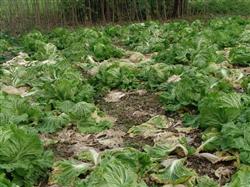
Chinese cabbage soft rot is one of the most damaging diseases in Chinese cabbage production, and together with viral disease and downy mildew it is known as one of the three major diseases of Chinese cabbage. After infection, the tissues at the base of the leaf stalks and the head soften and rot, giving off a foul odor; in severe cases the whole plant lodges, and its market value drops markedly. Understanding its occurrence patterns is the prerequisite for good control.
Soft rot is caused by bacterial infection. The pathogen mainly overwinters in the soil with diseased plant residues, and can also survive in undecomposed farmyard manure, in infected seed plants, and in the bodies of overwintering pests, becoming the source of primary infection for the next season. When conditions are suitable, the pathogen spreads in the field by splashing rain, irrigation water and insect activity, repeatedly causing new infections.
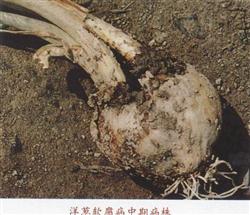
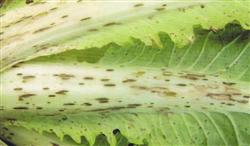
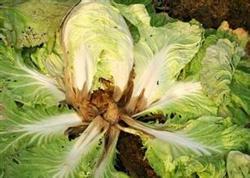
This pathogen mostly enters through wounds. Natural cracks in the cabbage, holes made by insect bites, and mechanical injuries from cultivation all serve as gateways for its invasion. The disease often starts at the base of the outer leaf stalks or at the heart of the head, initially appearing water-soaked and semi-transparent; afterward the tissue softens and collapses, with sap seeping out and a distinct fishy odor, which can be used to distinguish it from dry rot diseases.
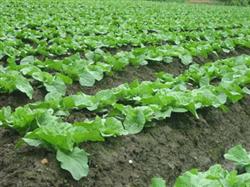
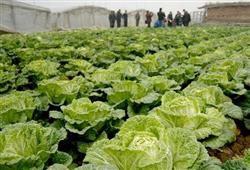
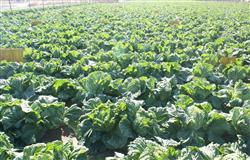
In terms of timing, the head-forming stage of Chinese cabbage is the period when soft rot occurs most frequently. At this time the plants are tall, the field is closed in, temperature and humidity are relatively high, and there are many wounds from leaf friction and insect damage, all of which favor the reproduction and spread of the pathogen. In rainy years, on low-lying waterlogged land, in continuous-cropping plots, and in fields with excessive nitrogen fertilizer or too-early sowing, the disease is usually more severe.
Once the patterns are clear, control should be based on agricultural measures: practicing crop rotation, using high-ridge cultivation, draining promptly, and controlling pests such as root maggots and cabbage caterpillars to reduce wounds, combined with pulling out diseased plants in the early stages of infection and spraying bactericidal fungicides, so that losses can be kept to a relatively low level.
Related Reading