What harm does bacterial soft rot of mustard cause? Growers need to know
What harm does soft rot cause to mustard? What methods can prevent and control bacterial soft rot of mustard? We hope experienced netizens can help explain the harm of soft rot to mustard: bacterial soft rot of mustard is a bacterial disease, generally only starting to occur in the late growth stage of mustard; at the beginning of the disease, the outer leaves of the plant wilt, and can still recover in the morning and evening....
 What harm does soft rot cause to mustard? What methods can prevent and control bacterial soft rot of mustard? We hope experienced netizens can help explain
The harm of soft rot to mustard:
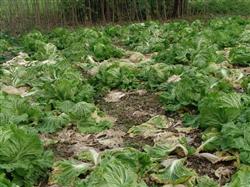
Bacterial soft rot of mustard is a bacterial disease, generally only starting to occur in the late growth stage of mustard; at the beginning of the disease, the outer leaves of the plant wilt, and can still recover in the morning and evening.
In severely affected plants, the leaf stalk base and root crown pith completely rot, filled with light grayish-brown, sticky material, and giving off a foul odor; finally the stem base rots into a large hollow, and in severe cases can cause the death of the whole plant.
Causes of bacterial soft rot of mustard:
Soft rot disease conditions This disease is a bacterial disease, caused by bacterial infection. The pathogen overwinters in diseased plant residues and compost. The following year it spreads through rainwater, irrigation water and fertilizer. The pathogen mainly invades through mechanical wounds, insect bites, etc. It occurs severely when other diseases of the plant are severe, growth is weak, and the healing ability is poor.
Under low temperature conditions of 15-20°C, and under climatic factors such as frequent rain, high temperature and poor light, the disease is prone to become epidemic.
In production, a long drought followed by rain, or excessive seedling hardening, or excessive watering can all cause wounds and lead to disease. Surface water accumulation and lack of hydrogen in the soil are unfavorable to root development or wound suberization, so the disease is severe. In addition, it is also related to variety, crop rotation sequence and sowing date; generally, continuous cropping land or low-lying land and early sowing make the disease severe.
Control methods for bacterial soft rot of mustard:
1. Variety Any variety resistant to downy mildew and viral diseases is also resistant to soft rot. Refer to the article on viral diseases.
2. Rotation It can be rotated with gramineous crops, legume crops and other crops that are not easily susceptible to disease; avoid continuous cropping with cruciferous, solanaceous and cucurbit crops.
3. Land preparation and fertilization Choose high, dry plots; avoid low-lying, damp and sticky land. Use high ridges and high beds for cultivation; avoid flat beds. Apply more decomposed organic fertilizer to prevent the fertilizer from carrying the pathogen.
4. Field management Sow appropriately late to avoid the hot, rainy season when the disease easily occurs. In the rainy season, drain promptly and prevent waterlogging to reduce field humidity. When diseased plants are found, remove them promptly, carry them out of the field, and bury them deeply or burn them. Disinfect the diseased holes by scattering lime powder. Field management should minimize mechanical injury.
5. Timely control of pests and diseases Timely control underground pests and other leaf-eating pests to reduce wounds.
Click to get more mustard planting techniques
Click to get more vegetable planting techniques