Breeding and cultivation covers livestock, poultry, aquaculture and flower care, and mastering the key points is essential
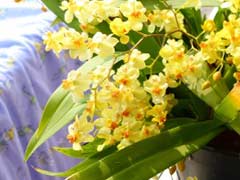
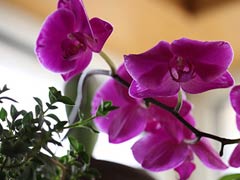
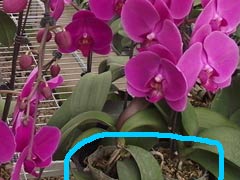
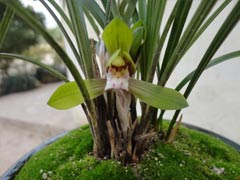
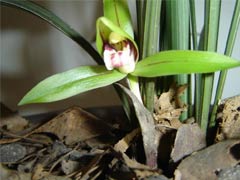
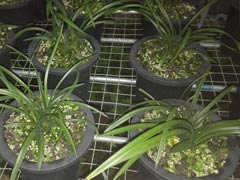
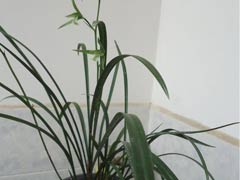
Breeding and cultivation refers to the production activity of raising animals or growing plants under artificially controlled conditions, as opposed to ways of directly using natural resources such as fishing and gathering. Common forms include the raising of livestock and poultry such as pigs, cattle and sheep, aquaculture of fish, shrimp, crabs and shellfish, and what gardening enthusiasts usually call flower cultivation, such as orchids, which also falls into this category.
Divided by subject, breeding and cultivation can roughly be classified into livestock and poultry breeding, aquaculture, special breeding, and the care of ornamental animals and plants. Special breeding covers bees, silkworms and some economic animals, while the ornamental category most commonly includes ornamental fish, ornamental birds and household flowers. Different types vary considerably in their requirements for site, equipment and daily management, so before getting started you should first understand the living habits of the subject you intend to raise.
Environmental control is the foundation of breeding and cultivation; conditions such as temperature, humidity, light, ventilation and water quality directly affect the health of the subject. Feeding feed or applying water and fertilizer should be done at set times and in set amounts, and only balanced nutrition can ensure normal growth and development. In daily care you should also watch for various changes, such as yellowing leaves, listlessness or abnormalities on the body surface, so as to detect and deal with them early, since prevention matters more than treatment.
Breeding and cultivation not only provide people with daily necessities such as meat, eggs, milk and aquatic products, but can also bring ornamental pleasure; keeping orchids and fish at home has become part of daily life for many people. One reminder: before engaging in large-scale breeding and cultivation, you should understand the relevant local regulations, as some species require permits, and when introducing stock you should act within your means and avoid blindly following trends.
Related reading