Aloe cultivation is not difficult; mastering light and watering is the key
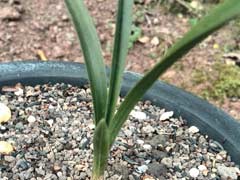
Aloe is a perennial succulent herbaceous plant with thick, juicy leaves and strong drought tolerance. It has low environmental demands and is a common household potted plant. Common cultivated varieties include Aloe vera, Aloe arborescens, Aloe chinensis, and Aloe nobilis, and different varieties each have their own characteristics in plant shape and leaf form.
To grow aloe, it is best to choose a loose, breathable, well-drained sandy soil, which can be made by mixing leaf mold with coarse sand or perlite, avoiding sticky soil that easily accumulates water. Aloe likes a sunny environment. In spring, autumn, and winter, it can be kept in a sunny place. At noon in summer, when the light is too strong, shade it appropriately to prevent the leaves from being scorched.
Watering is the key part of aloe cultivation. It is drought-tolerant and afraid of waterlogging, so the principle of watering thoroughly only after the soil has dried out should be followed. Long-term damp potting soil can easily lead to root rot. In winter, the plant grows slowly, so watering should be reduced and the pot moved to a warm place indoors; when the temperature is too low, frost damage is likely to occur. During the growing season, a dilute liquid fertilizer can be applied at intervals, with light fertilizer applied frequently; concentrated fertilizer and undecomposed raw fertilizer should be avoided.
Aloe propagation mostly uses the division method. The base of the plant naturally sprouts side shoots, and after the side shoots grow roots, they can be cut off and planted separately, with a relatively high survival rate. In daily care, if the leaves are found to be soft and yellow, it is mostly related to excessive watering or insufficient light, and the plant can recover once the care method is adjusted in time. It should be noted that not all aloe varieties are suitable for eating or medicinal use, and aloe grown at home for ornamental purposes is not recommended for casual harvesting and use.
Related reading