A Detailed Guide to the Six Main Peruvian Chili Varieties and Their Differences: Is Ají Arnaucho Spicy?
Chili peppers originated in Central and South America and, like crops such as potatoes and corn, chili cultivation profitability is affected. During the Age of Discovery in the 15th century, they were introduced to the local area from the Americas, which was then called the "New World." Today, cuisines famous for their "heat," including Sichuan cuisine, Thai cuisine, and Indian cuisine, all had no chili peppers before the 15th century.
Peru, as one of the countries of origin for chili peppers, has preserved many chili varieties with a long history, among which are varieties that have been used since Inca culture. Peru is rich in chili peppers, and Peruvians have their own uses and secret recipes for them. Because there are so many choices, every family's chili sauce is made differently.
Peruvian chili peppers are collectively called Ají, and they come in many different shapes, sizes, colors, and flavors. Ají varieties are numerous, brightly colored, and pungent, and can be eaten fresh, boiled into chili juice, made into hot sauce, or sun-dried into dried chilies and ground into chili powder, with a wide range of uses. Many famous Peruvian dishes, such as ceviche, would not be complete without Ají. Peruvian cuisine itself is actually not especially spicy; chili peppers are mostly used as a dipping sauce and are occasionally added directly to dishes. Seasonings made from chili peppers are an indispensable part of Peruvian cooking.
Peruvian chili peppers are very special and cannot be bought abroad, so many Peruvian chefs encounter many difficulties when making Peruvian food outside their homeland. However, recently many Peruvian chili peppers have been made into hot sauce for export. These exported hot sauces are currently limited to the more commonly used types such as Peruvian yellow chili, black chili, and red chili. As for the more obscure special chilies, they can still only be tasted in Peru.
How many Peruvian chili peppers do you know? Below is an introduction to several special Peruvian chili peppers.
1. Peruvian Yellow Chili Ají Amarillo
Ají Amarillo is the most commonly used and most popular of Peru's chili peppers. The famous Peruvian dish ceviche uses this yellow chili. This chili is not only spicy but also has a fresh aroma, and combined with the sourness of lime, it makes people especially hungry. Other Peruvian dishes such as spicy cheese with potatoes (Papa a la Huancaína) and seafood stew (Parihuela) also feature this yellow chili.
2. Peruvian Black Chili Ají Panca
Ají Panca has a deep purple, almost black appearance similar to an eggplant. Its flavor is not especially spicy, but its texture is smooth and creamy and it has a fruity taste. This chili has a long history in Peru and, like the yellow chili, is very popular. It is especially suitable for making hot sauce and adding to stews, and it pairs exceptionally well with meat.
3. Charapita Chili Charapita
The wild small chili Charapita from northern Peru looks like a small berry, but its heat is second to none. They originally grew in the jungles of Iquitos, are mostly wild, and are relatively rare compared with other chilies, making them one of the most expensive chili peppers in the world. Charapita has thin skin and a flavor similar to fresh habanero, with fruity notes, making it suitable for adding to salads.
4. Peruvian Red Chili Ají Rocoto
Rocoto is produced in the Peruvian Andes and comes in both orange and red. The red Rocoto looks very much like a tomato and is about the size of a palm. Although this chili looks a bit like a bell pepper, it is actually very spicy. After eating it, the tongue has a burning sensation. The famous Peruvian dish stuffed chili with beef (Rocoto Relleno) uses this chili.
5. Ají Arnaucho
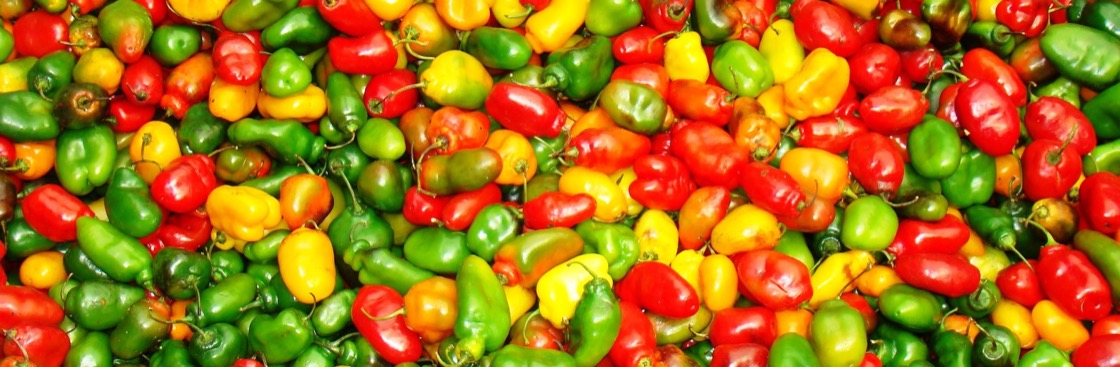
Ají Arnaucho, as the name suggests, comes in many colors, including red, green, purple, and so on. This chili grows in the Norte Chico region of northern Peru. In Peruvian cooking, fresh Ají Arnaucho is often used, and it is mostly paired with fish and seafood.
6. Cherry Chili Ají Cerezo
Cherry chili looks almost exactly like a cherry. They come from the northern coast of Peru, and this chili has relatively high climate requirements, usually needing a very hot, dry climate with little rain to grow. Although cherry chili is small, it is pungent. Its place of origin is the Lambayeque region of Peru, and local traditional dishes often use this cherry chili, such as ray and corn tortilla (Tortilla de Raya) and chicken rice (Arroz con Pato).