-
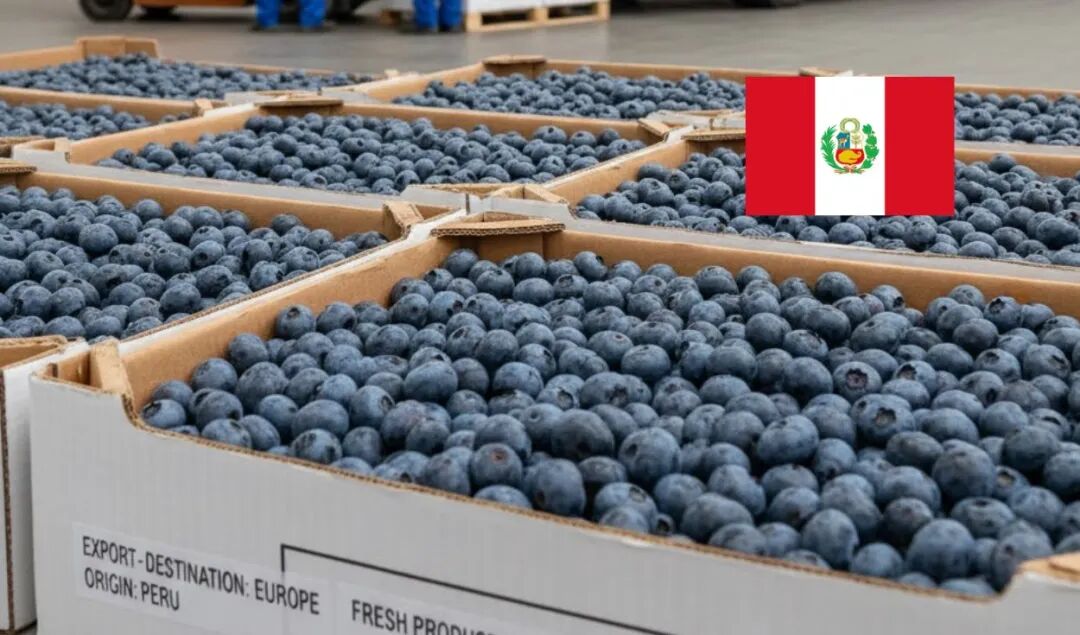
Peru blueberry 2026/27 season export forecast cut to 382,000 tonnes; El Niño shrinks peak week by 21%
The Peruvian Blueberry Association has cut its 2026/27 season export forecast for the fourth time to 382,000 tonnes, with the peak export week expected to shrink by 21%, and the organic blueberry forecast also lowered by 18%.
-
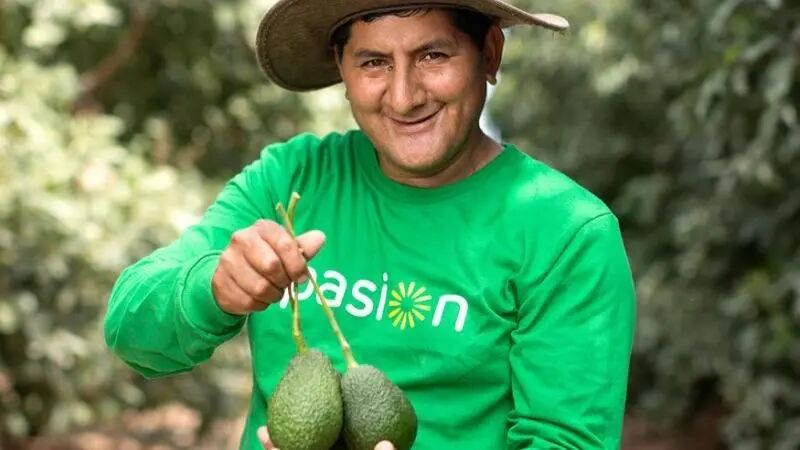
Peru's Top Five Avocado Exporter ACP's Export Volume Halved: Only 23,000 Tonnes in the 2026 Season
Leading Peruvian avocado company Agrícola Cerro Prieto exported 23,000 tonnes this season, down 45.2% from 42,000 tonnes the previous year, with weather shortening the season as the main cause.
-
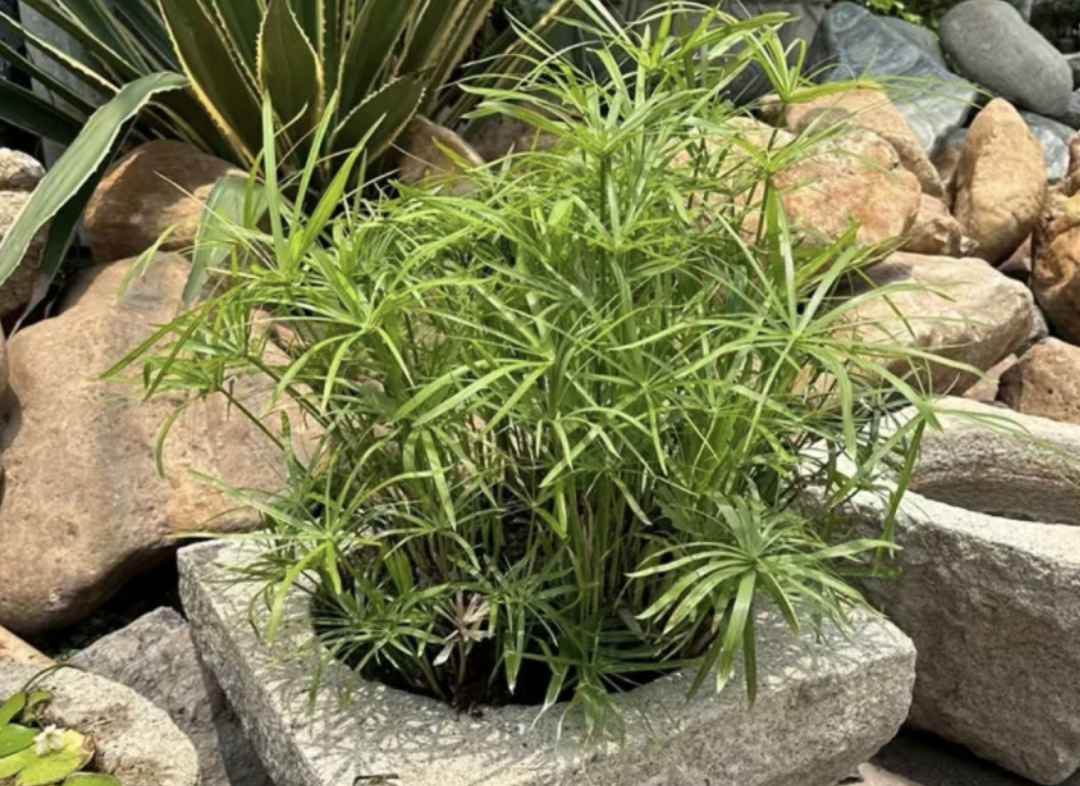
What are the efficacy and functions of Cyperus alternifolius?
I believe that in retirement life, people would like to choose some amazing plants. They can not only enrich your time but also possess various astonishing
-

Is the Peruvian lily flower toxic, and is it suitable to keep at home?
Today let's talk about the "Peruvian lily," which looks like both a narcissus and a lily. Its name comes from the unique structure of its flowers, as each petal usually has six lobes, hence the name "six-out flower." Its flower language is "looking forward to meeting," representing joy and reunion, so you can give it to a friend you haven't seen for a long time. The Peruvian lily is also known as the lily of the Incas, and after blooming
-
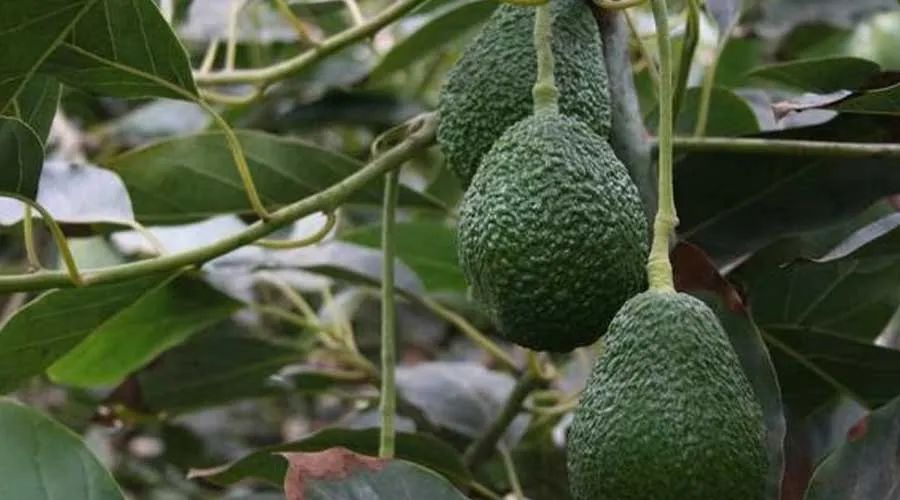
Avocados from Peru, what are the nutrients and effects How to open and eat
Avocado, also known as avocado, is a nutritionally rich fruit with a green or purple skin and a yellow-green flesh inside. It has a soft texture and a creamy
-

What are the latest requirements for growing Physalis peruviana (cape gooseberry)?
Physalis peruviana (cape gooseberry) is a perennial herbaceous plant, and large areas of wild varieties grow throughout our country, but in recent years it has been discovered that the whole plant of Physalis peruviana can be used as medicine. It has relatively high nutritional value and medicinal value; not only can it be used as medicine, but the fruit can also be processed into high-quality fruit
-
Which type of Peruvian chili is the most expensive, and how much does it cost per jin?
Peruvian chilies are collectively called Ají, and they come in many different shapes, sizes, colors and flavors. Ají has many varieties, brilliant colors and a pungent, spicy taste; it can be eaten fresh, cooked into chili sauce, made into hot sauce, or sun-dried into dried chilies and ground into chili powder, with a great many uses.
-
Cyperus rotundus: Benefits, Uses and Toxicity, Plus a Detailed Guide to Selecting and Storing It
Cyperus rotundus is a traditional Chinese medicine, also known as nutgrass, xiangfuzi, and leigongtou. It is the dried rhizome of the sedge plant Cyperus rotundus, mainly produced in Zhejiang, Fujian, Hunan and other places, and is generally harvested in autumn. So, what are the benefits and uses of the traditional Chinese medicine Cyperus rotundus? Is it toxic? How
-
Where are the main production areas of the goldenberry (Physalis peruviana) distributed?
The production areas of the goldenberry are relatively widespread, mainly distributed in Beijing, Tianjin, Hebei and other places in North China, Heilongjiang, Jilin, Liaoning and northeastern Inner Mongolia in Northeast China, as well as Shandong and other places in Central China. In addition, it also grows in Shanghai, Guizhou, Yunnan, Sichuan and other places.
-
How to grow Juniperus procumbens? Cultivation methods and precautions
Juniperus procumbens is a plant commonly used for bonsai, so how do you grow Juniperus procumbens? Let's take a look! I. Basic introduction to Juniperus procumbens. Juniperus procumbens is an evergreen small shrub of the Cupressaceae family and Coniferopsida class, with dense, soft branches, growing prostrate on the ground. The bark is reddish brown and peels off in scales.
条件筛选