Biological potassium fertilizer can activate soil potassium, so mastering the correct application method is important
Biological potassium fertilizer is a functional bacterial fertilizer centered on potassium-solubilizing microorganisms, and commonly used strains include silicate bacteria. When these microorganisms are active in the soil, they can release potassium from minerals that crops cannot directly absorb easily, converting it into an available form. Therefore, in production it is often used as a supplementary means to traditional potassium fertilizer, rather than a simple substitute.
Compared with chemical potassium fertilizer, biological potassium fertilizer is characterized by activating soil potassium rather than directly supplying a large amount of potassium. It also helps improve the soil microbial environment and reduce chemical fertilizer input, which fits the direction of green cultivation relatively well. However, its potassium supply process is relatively mild, so when dealing with crops with high potassium demand or plots with obvious potassium deficiency, it should still be used together with conventional potassium fertilizer.
In terms of application, biological potassium fertilizer can be used as a base fertilizer or topdressing, and can also be used for seed dressing and root dipping. It is often applied in furrows or holes together with organic fertilizer, and after application it should be properly covered with soil and watered. Because the bacteria in the product are living organisms, do not mix them directly with fungicides when using, avoid prolonged exposure to strong sunlight, and it is also unsuitable to store it mixed with strongly alkaline substances. It should be placed in a cool, dry place and attention should be paid to the shelf life.
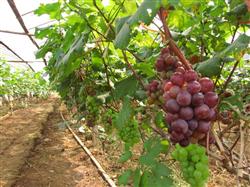
It should also be noted that the effect of biological potassium fertilizer is closely related to soil conditions. When the soil is excessively dry or lacks organic matter, the activity of the microbial community declines, and its effect will be reduced. It is advisable to first understand your own soil conditions, then arrange use according to the potassium demand pattern of the crop. For potassium-loving crops such as grapes and potatoes, using it together during key growth stages can usually achieve more ideal results.
Related Reading