What Is Bio-Organic Fertilizer? A Detailed Guide
What is bio-organic fertilizer? What are the characteristics of bio-organic fertilizer? We ask knowledgeable readers to help explain. Bio-organic fertilizer generally refers to using livestock and poultry manure or crop straw as the main raw materials, using biochemical processes and microbial technology to thoroughly kill harmful substances such as pathogenic bacteria and parasite eggs contained in the raw materials...
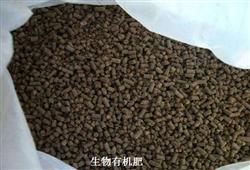 What is bio-organic fertilizer? What are the characteristics of bio-organic fertilizer? We ask knowledgeable readers to help explain
Bio-organic fertilizer generally refers to using livestock and poultry manure or crop straw as the main raw materials, using biochemical processes and microbial technology to thoroughly kill harmful substances such as pathogenic bacteria and parasite eggs contained in the raw materials and eliminate odors, then inoculating a microbial compound inoculant to decompose the organic matter in the raw materials, thus forming bio-organic fertilizer.
Bio-organic fertilizer is the first choice of fertilizer for growing organic crops, so Zhongdi Network has compiled the main functions of bio-organic fertilizer, listed below for readers' reference.
Function One of bio-organic fertilizer: It can improve soil structure:
Bio-organic fertilizer can promote the formation of soil aggregate structure, improve the physical properties of soil, enhance soil aeration and water permeability, and at the same time improve the soil compaction caused by the use of chemical fertilizers.
Function Two of bio-organic fertilizer: It increases soil nutrients:
The organic matter contained in bio-organic fertilizer has a large adsorption capacity for nutrients, so soil nutrients are not easily lost; moreover, the nutrients contained in bio-organic fertilizer are complete and easily decomposed and absorbed by crops, and bio-organic fertilizer also contains a certain amount of medium and trace elements such as zinc, manganese, iron, etc.
Function Three of bio-organic fertilizer: It can improve the transformation of nutrients in the soil:
After applying bio-organic fertilizer, under the action of microorganisms, organic nutrients can be continuously transformed into effective nutrients that plants can absorb and utilize, and at the same time some nutrients fixed by the soil can be released. Microorganisms decompose phosphorus-containing compounds, releasing phosphorus fixed by the soil; silicate bacteria can increase the activity of potassium in the soil; microorganisms can also fix nutrients in the soil that are easily lost.
Function Four of bio-organic fertilizer: It can increase crop yield and improve quality:
The vitamins, humic acid, hormones, etc. produced by the microbial decomposition and transformation of bio-organic fertilizer have a stimulating effect, can promote vigorous growth of crop roots, and improve the ability of crops to absorb phosphorus and potassium; at the same time, it can also increase the photosynthesis of crops, making crop roots well developed and the ear-bearing rate high, thereby increasing yield. At the same time, bio-organic fertilizer also contains a variety of organic nutrients, such as amino acids, sugars, nucleic acid decomposition products, etc., and also contains a large number of microorganisms and enzymes, which have a special effect on improving the quality of agricultural products and maintaining their nutritional flavor.
Function Five of bio-organic fertilizer: It can increase crops' drought resistance, cold resistance and disease resistance:
Applying bio-organic fertilizer can increase the soil's water storage and retention capacity, reduce water evaporation, and improve the soil's moisture retention effect, thereby improving crops' drought and cold resistance.
Bio-organic fertilizer has complete nutrients and coordinates the supply of macroelements and trace elements during crop growth and development, avoiding diseases caused by element deficiency in crops, such as black spot disease in potatoes caused by potassium deficiency.
Methods for Measuring Soil pH
What Is Seaweed Fertilizer