A Detailed Guide to Hydroponic Care: Easy Enough for Beginners
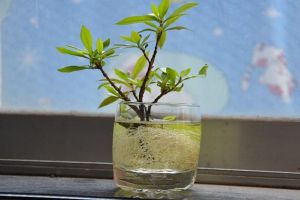
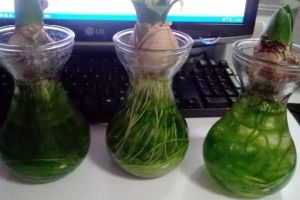
Hydroponics is a soilless cultivation method in which plant roots are placed directly in water or a nutrient solution, relying on water and dissolved nutrients to meet their growth needs. Compared with traditional soil cultivation, hydroponics is clean and tidy, free of mud, and allows you to observe the state of the roots through a transparent container, which is why it is favored by many home gardening enthusiasts.
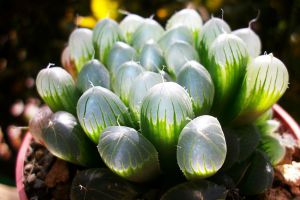
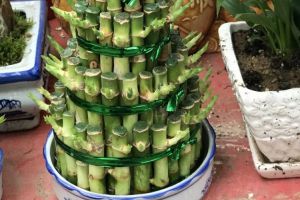
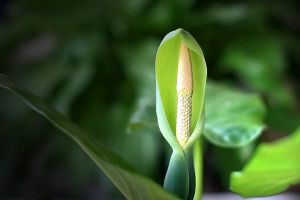
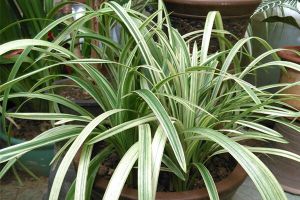
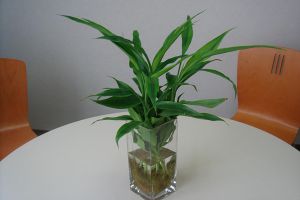
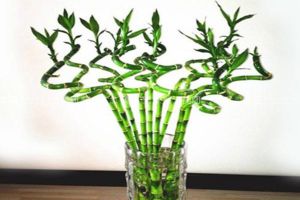
Many plant species are suitable for hydroponics. Common ones include pothos, lucky bamboo, spider plant, gardenia, and Alocasia macrorrhizos, as well as other foliage or flowering plants. Some succulents, such as Haworthia cooperi, can also be grown hydroponically. Generally speaking, plants that root easily and tolerate moisture well adapt more readily to a hydroponic environment, and beginners can start with these easy-to-grow varieties.
For routine care, hydroponics requires regular water changes to keep the water clean, and the frequency can be increased appropriately in hot weather. A location with bright, indirect light is best, avoiding prolonged direct sun exposure that raises water temperature and encourages green algae. If using a nutrient solution, dilute it according to the instructions before adding it, as too high a concentration can easily burn the roots.
The main common problems are root rot and green algae. Blackened, foul-smelling roots are mostly related to poor water quality, lack of oxygen, or wound infection. When discovered, the rotten parts should be trimmed off promptly, the container cleaned, and fresh water added. When green algae appear on the inner walls of the container, it can be controlled by shading appropriately, scrubbing the container, and changing the water frequently, helping hydroponic plants maintain good growth.
Related Reading