-
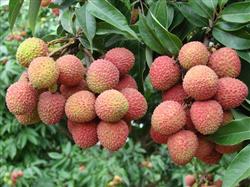
Detailed Explanation of Key Points for High-Yield and High-Quality Lychee Cultivation Techniques
1. Choose a good orchard site. It is best to select open terrain with a slope below 30 degrees, loose and fertile soil, deep soil layers, organic matter content above 1%, and a water source on hilly slopes as a lychee planting orchard. 2. Choose good seedlings and apply sufficient base fertilizer. Select healthy branch seedlings or grafted seedlings with many new roots, smooth branches, and no pests or diseases...
-
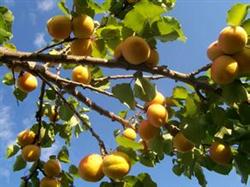
Secrets to Increasing Apricot Yields: Getting These Management Practices Right Is Key
"Yunda Whole-Tree Fruit" is a new special growth promoter for fruit trees and fruiting vegetables (such as tomatoes, eggplants, melons, etc.) that balances the shift from vegetative growth to reproductive growth. Its main features are: ① No phytotoxicity, leaving no residue in the fruit, achieving a pollution-free product and becoming a green, trusted product. ② Fast flower promotion, able to quickly...
-
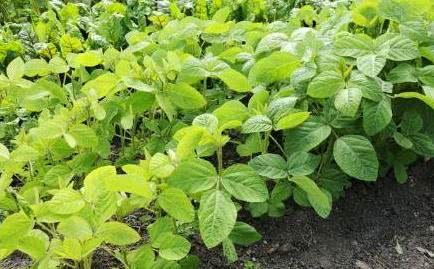
Soybeans Growing Too Vigorously Need Timely Growth Control to Avoid Yield Reduction
In recent years, more and more growers have been planting soybeans, and the soybean planting area has also been continuously increasing. However, many farmers are still not very familiar with the problems that may arise during soybean cultivation, so more problems tend to occur. For...
-
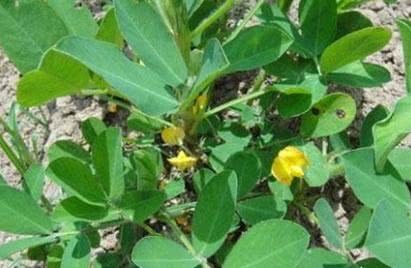
Peanut bacterial wilt is a soil-borne disease and a major cause of peanut yield reduction.
Peanut bacterial wilt is a common disease in peanut cultivation. Once it strikes, it causes peanut plants to wither and die rapidly, and the incidence rate is high, with up to 50% of plants infected by the pathogen, making it a major factor in peanut yield reduction. For the...
-
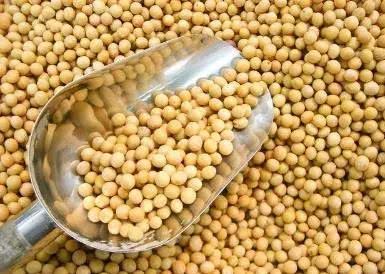
A soybean variety yields 280 kg per mu, so why has it not been promoted for so long?
Recently, the high-protein soybean variety "Heinong 84", bred by the Heilongjiang Academy of Agricultural Sciences, underwent yield measurement, and the on-site yield measurement and acceptance gave an average yield of 280 kg per mu, more than double the average soybean yield per mu in Heilongjiang Province. Seeing such reports, many people probably...
-
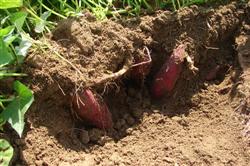
For sweet potatoes to yield high, the fertilization method is key
The demand of sweet potatoes for the three major elements nitrogen, phosphorus and potassium varies with the growth stage. Nitrogen fertilizer is absorbed more during the stem and leaf growth period and less during the tuber swelling period; phosphorus fertilizer is absorbed less in the middle stage of stem and leaf growth and more during the tuber swelling period; while potassium fertilizer absorption is greater than that of nitrogen and phosphorus from planting to harvest, and is even more pronounced during the tuber swelling...
-
Five key measures for high-yield sweet potato cultivation
Select fine varieties with high-quality sweet potato slips. High-quality slips can not only improve the survival rate of transplanting and promote early tuber formation, but also significantly increase sweet potato yield. Generally, they can increase yield by more than 10% compared with weaker slips. When purchasing sweet potato slips, three aspects should generally be considered: appearance, height, and weight. High-quality sweet potato slips generally have large and thick leaves, dark green leaf color...
-
Detailed Explanation of Key Techniques for High-Yield Cultivation of Quince
Quince is a plant of the genus Cydonia in the Rosaceae family and is an ancient local variety of Linyi. Its fruit is rich in nutrients and has high medicinal value. In 2003, Caozhuang Township introduced 1000 mu of quince, mainly varieties Luofu and Changjun. At present, the growth is good. Now China Agriculture Network introduces the key techniques for high-yield field cultivation of quince as follows...
-
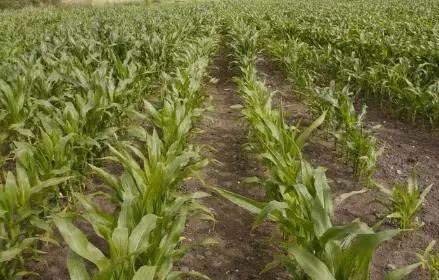
For corn to achieve high yields, fertilization should be based on the growth stage, and three rounds of topdressing give the best results.
Topdressing corn is now rarely adopted by farmers. The corn fertilization method currently used in production is the integration of sowing and fertilization, that is, applying slow-release compound fertilizer for corn into the holes at the time of sowing, eliminating the need for later topdressing...
-

For high mung bean yields, planting technique is key
Selecting improved varieties is an effective measure for increasing yields. Suitable varieties should be chosen according to local natural conditions, soil fertility and market value. Correct sowing technique: because mung beans have a short growth period and a long suitable sowing window, they can be sown in spring or summer. Spring sowing should be in mid-May, ...
条件筛选