-
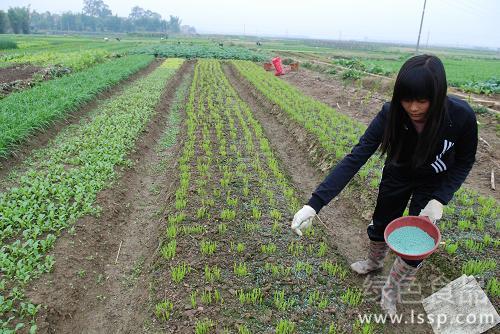
Which chemical fertilizers should not be applied to vegetables? Beware of harming vegetable growth
Which chemical fertilizers should be prevented from harming vegetables and are unsuitable for application to vegetables
-
Which pesticides are prohibited for fruit trees? Medication taboos fruit growers need to know
Which pesticides cannot be used on fruit trees? Please introduce the following ten pesticides that cannot be used on fruit trees: 1. Phosphamidon: prohibited for peach trees. 2. Methamidophos: prohibited for all kinds of fruit trees. 3. Dichlorvos: prohibited for stone fruit trees. 4. Dimethoate and omethoate: peach and pear are sensitive to solutions diluted less than 1500 times, so test before use to determine the safe concentration;
-
Which types of pesticides are resistant to rain washing?
When should fruit trees not be sprayed with pesticides? Please advise: to improve fruit yield and quality, reduce the number of pesticide applications, and extend the productive life of the trees, the key is to master the following critical periods in pest and disease control. The first is the period when buds clearly swell, that is, the bare-branch spray. During this period, spray a high-concentration fungicide plus insect...
-
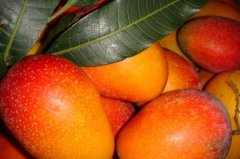
Irwin, Tainong, and Mingxing mangoes: which one is the best-tasting and sweetest?
Irwin, a beautiful name, belongs to a type of mango from Taiwan, China. It is long and ovate with a pointed tip, and its skin is a pleasing apple red. Bright in color, thin-skinned with fine flesh, virtually fiberless, fragrant and juicy, sweet and tart and delicious, people use all kinds of words to describe the Irwin mango.
-
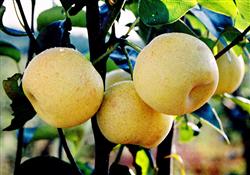
Which crops are suitable for potassium sulfate and potassium chloride application?
Which crops are suitable for potassium sulfate or potassium chloride application? Please give an introduction. Crop chloride tolerance refers to a crop's ability to endure chloride applied to the roots without suffering toxicity; the lower the concentration at which toxicity begins, the poorer the chloride tolerance. Among common crops, those with strong chloride tolerance include sugar beet, spinach, foxtail millet, kenaf, radish, chrysanthemum, rice, sorghum...
-
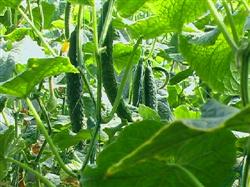
Which pesticides must not be used in cucumber cultivation?
Which pesticides cannot be used in cucumber cultivation? Please provide guidance. The following pesticides must not be applied when growing cucumbers: Pesticides whose production has been banned: 666, DDT, chlordimeform, fluoroacetamide, arsenic trioxide, ethylmercury chloride, and mercury seed dressings.
-
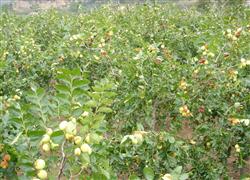
Which herbicides can be used in a jujube orchard? Variety selection and key points for use
Which herbicides can be used in a jujube orchard? What should be noted when spraying herbicides? Weed control in a jujube orchard is an important part of management work. Weeds are intermediate hosts of pests and diseases, and they also compete with jujube trees for fertilizer and water, affecting the growth of jujube trees. The herbicides commonly used in production at present mainly include the following: (1) Diuron: it is a 25% wettable powder, is a...
-
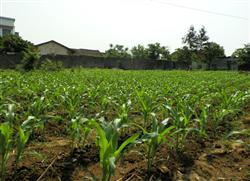
Which crops can paraquat be used on? Detailed introduction to its scope of application
Which crops can paraquat be used on? Please give a detailed introduction. Paraquat is a fast-acting non-selective herbicide with contact action and a certain systemic action. It is rapidly absorbed by the green tissues of plants, causing them to wither and die. It has no effect on non-green tissues. In soil it rapidly binds to soil particles and becomes deactivated, with no effect on plant roots and many...
-
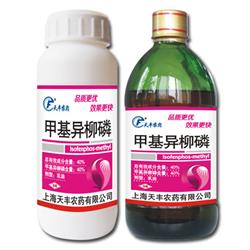
Which pests does isofenphos-methyl mainly control?
Which pests can isofenphos-methyl control? How should it be used? Please give guidance. Isofenphos-methyl is an organophosphorus insecticide. The technical product is a brownish-yellow oily liquid. It has strong contact and stomach poison action against pests, with a relatively long residual effect. It is highly toxic to humans and livestock. The formulations are 40% emulsifiable concentrate and 3% granules. Use...
-
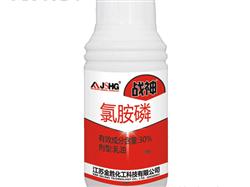
Which pests can chloramidophos control? A detailed explanation of its scope of application
Which pests can chloramidophos control? Please introduce 30% chloramidophos emulsifiable concentrate, a new insecticide variety with independent intellectual property rights, capable of efficiently controlling a variety of pests, mainly the larvae of the rice leaf roller. Such as the striped stem borer, the yellow stem borer, the pink stem borer, the brown planthopper, leafhoppers, the cotton bollworm, the cabbage caterpillar, the beet armyworm, etc., low...
条件筛选