-
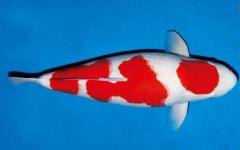
What are the "Big Three" and the "Big Four" Japanese koi varieties? WWD Fish Notes
After koi were made a viral sensation on Taobao last year, koi, after lying quiet for many years, have slowly returned to the public eye. What we call koi generally refers to Japanese koi with distinct characteristics, also known as KOI, while varieties with color that is not vivid are called "local cannons." In other words,
-
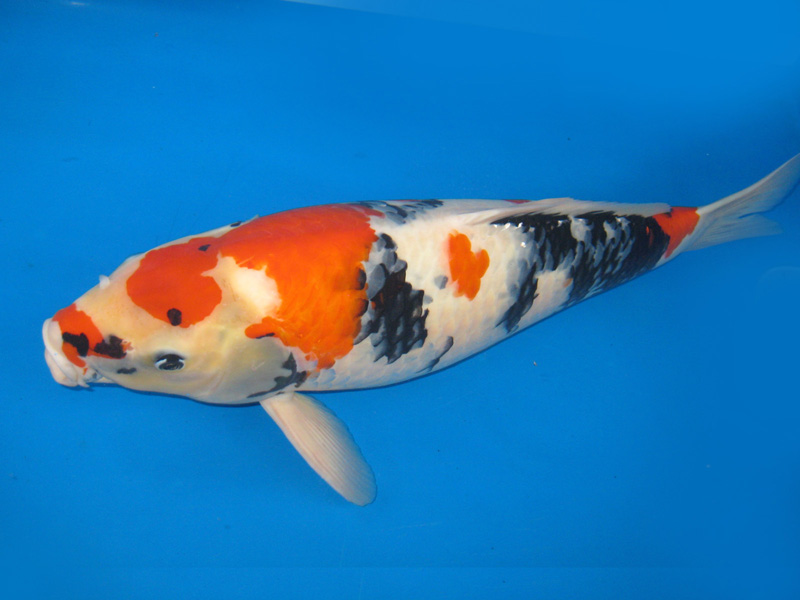
Which Koi Varieties Have the Best Colors? A Detailed Care Guide
Koi have a sturdy, well-proportioned physique, brilliant colors, varied patterns, and a majestic swimming style, giving them extremely high ornamental and keeping value. Their body length can reach 1-1.5 m. Koi are distinguished by different colors, patterns, and scales. Among them, the Butterfly Koi was only successfully bred in the 1980s, and is known for...
-
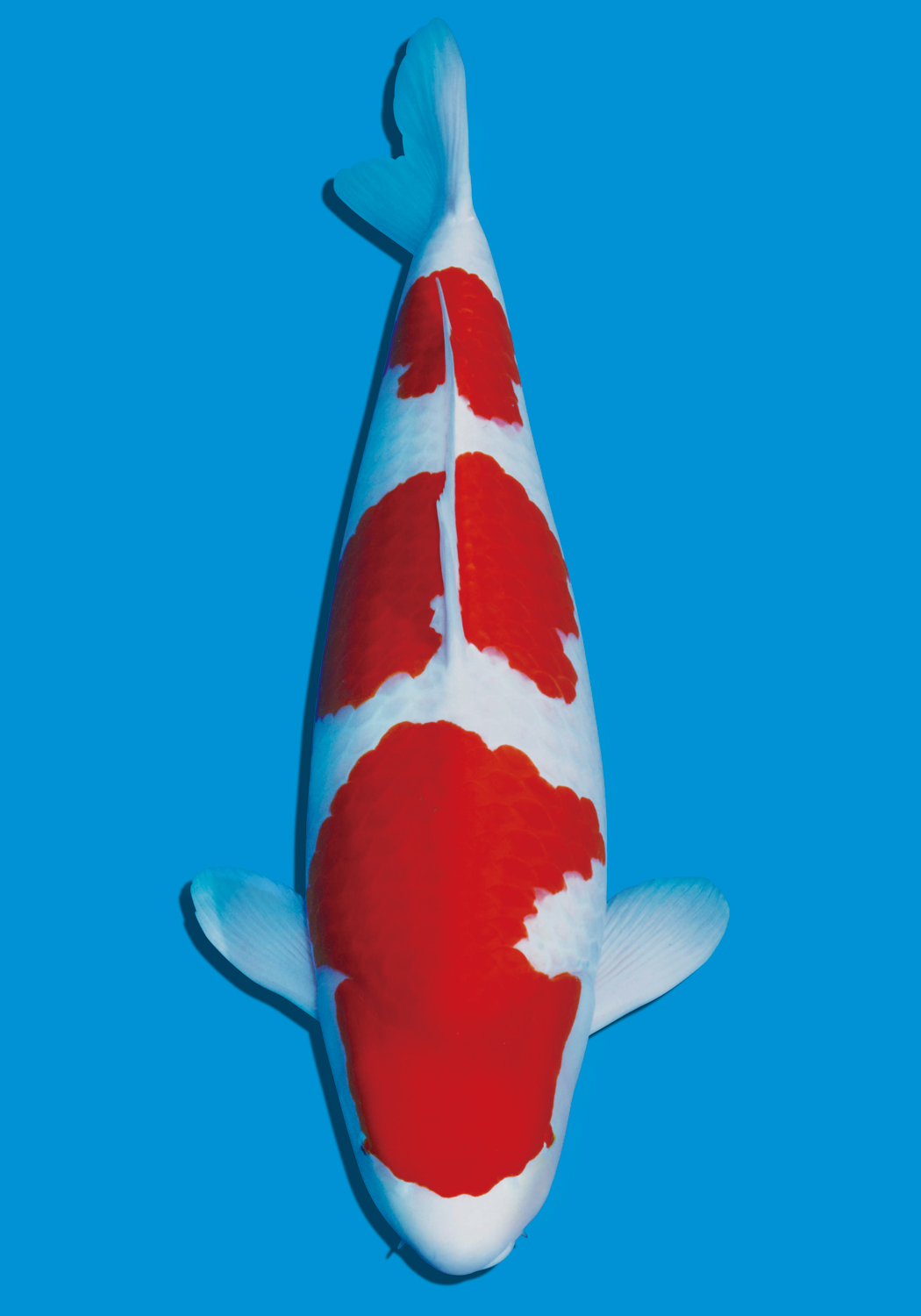
Three-step Kohaku vs Ginrin Kohaku: which is better?
Introduction to Three-step Kohaku. In the entire body of the Three-step Kohaku, the white that serves as the base color is divided by three prominent large red patches, forming a distinctive appearance. The Three-step Kohaku gives an extremely balanced visual impression. The ones we commonly see...
-
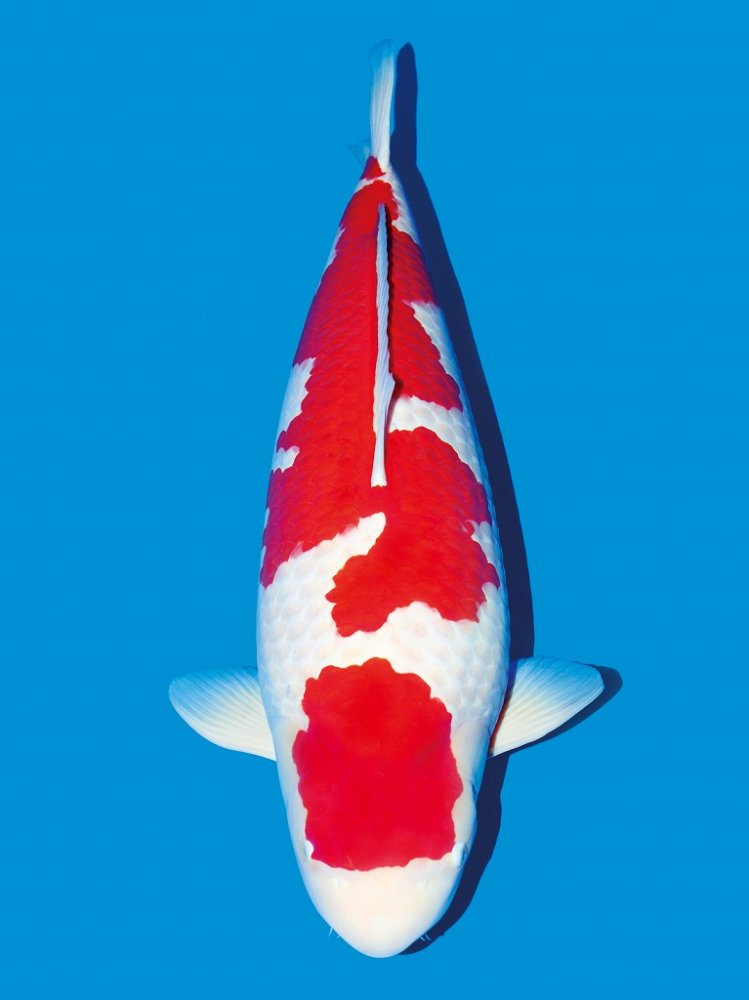
Two-Segment Kohaku vs Ginrin Kohaku: Which Is Better?
Introducing the Two-Segment Kohaku. The red markings of the Two-Segment Kohaku are very distinctive: there are two pattern zones, one at the front and one at the back. In some, the head forms a separate block, and the second segment begins at the shoulder and extends to the tail joint, such as the famous Koto Sakura. In others...
-
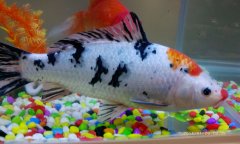
Which Koi Varieties Are Spirited? A Detailed Guide to Choosing Koi
There are many ways to choose koi, and it is no exaggeration to say that you need to approach it from many angles. After all, koi are high-end ornamental fish, and koi prices fluctuate greatly, from a few dozen yuan to several hundred thousand or even over a million, and most importantly, there is no unified standard on the market for measuring them...
-
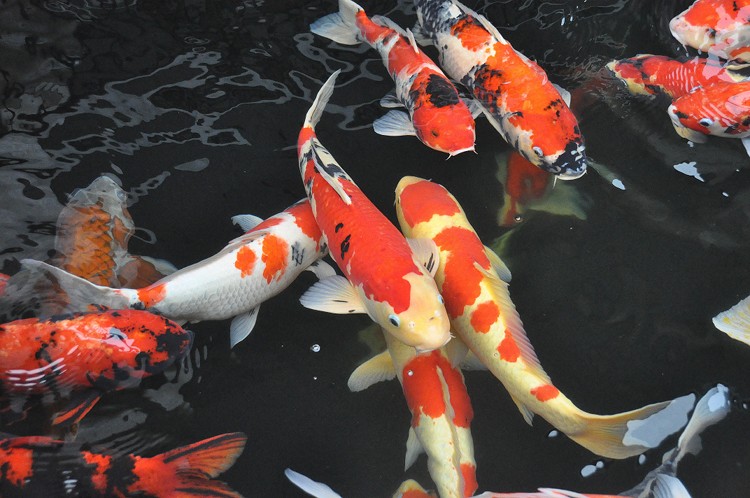
Which Koi Varieties and Colors Are Best? A Complete Guide to Koi Keeping Methods
Koi have a robust and graceful build, brilliant colors, highly varied patterns and a majestic swimming style, giving them extremely high ornamental and keeping value. Their body length can reach 1-1.5 m. Koi are distinguished by different colors, patterns and scales. Among them, the Butterfly Koi was only successfully bred in the 1980s, with...
-
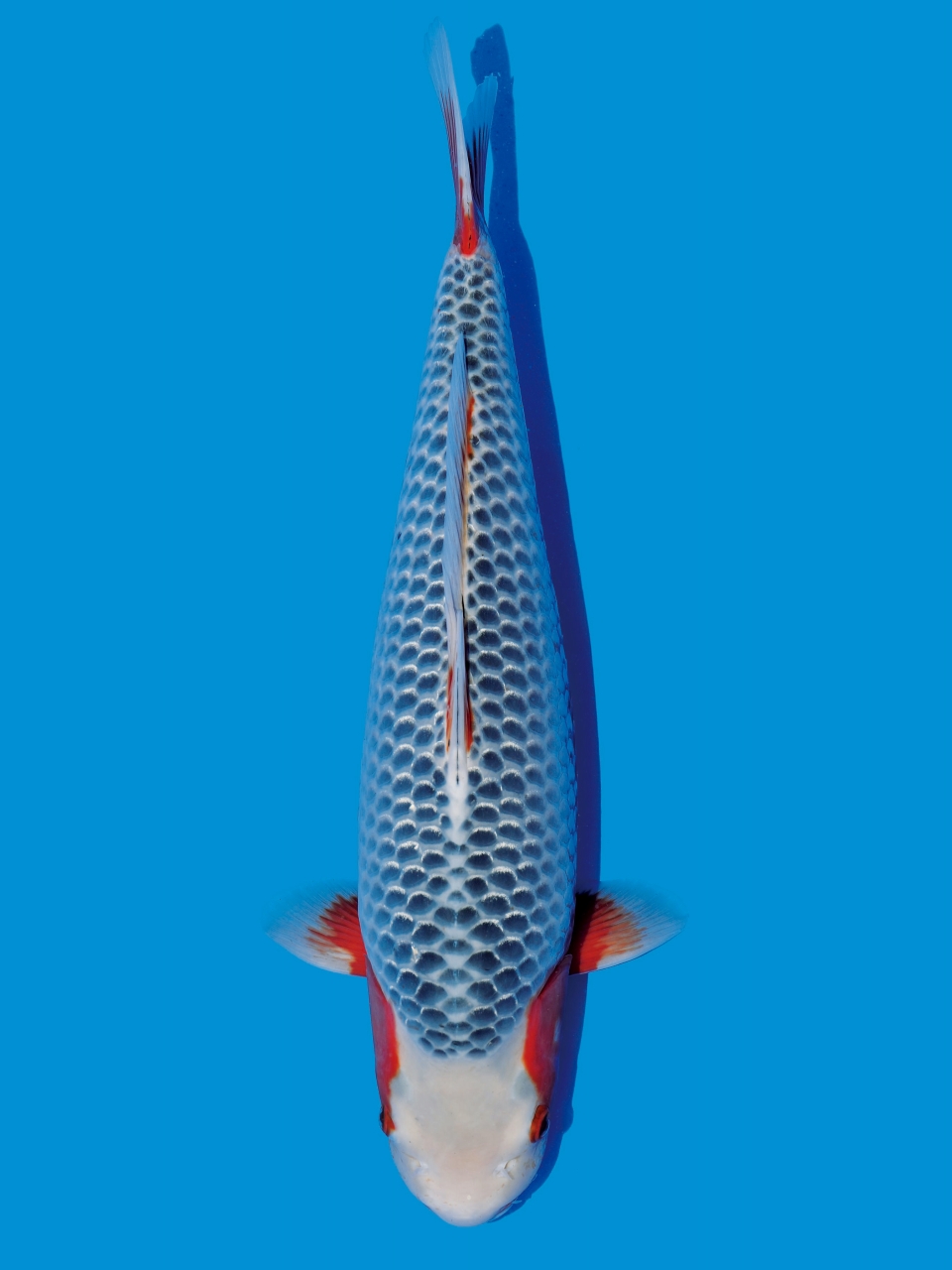
Which is easier to keep, the Narumi Asagi koi or the Shiro Utsuri koi?
Introducing the Narumi Asagi koi. As a type of Asagi koi, the Narumi Asagi is highly representative. As you can see, the center of its scales shows a deep blue, while the edges of the scales appear light blue; the two colors set each other off, like the shimmering ripples on a lake...
-
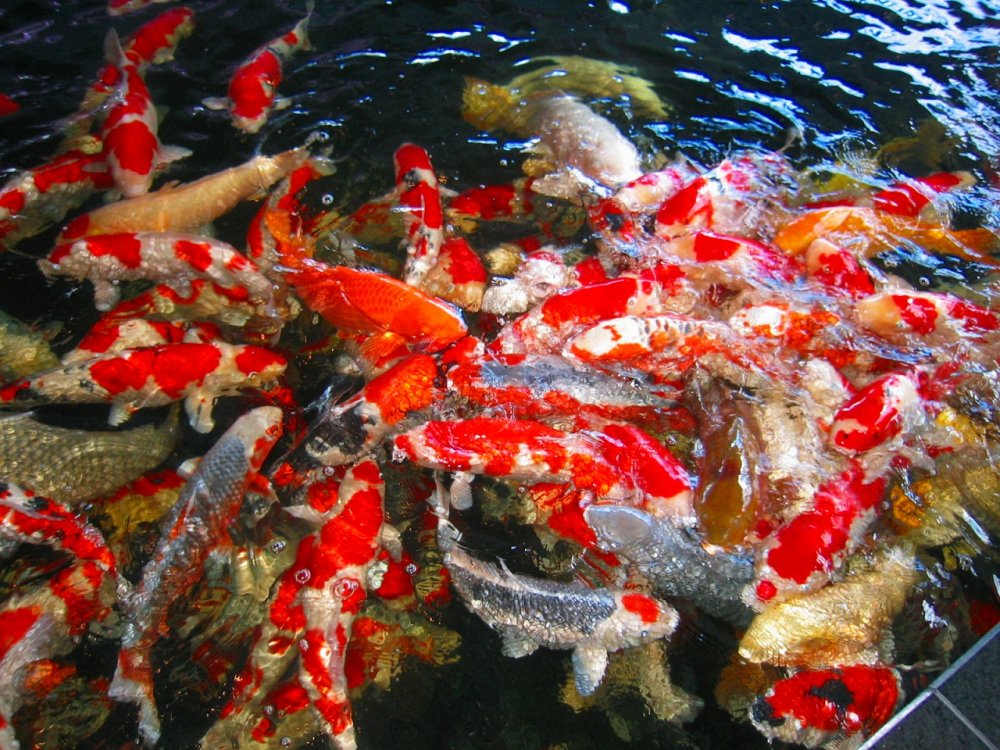
Which koi varieties are considered spiritual? A detailed guide to adult fish farming secrets
1. Stocking time: mid to late May. 2. Fingerling size: body length greater than or equal to 5cm. 3. Fish disinfection: before stocking the fingerlings, disinfect them using the following methods: ① 5% salt water solution, soak for 510min; ② 510mg/L potassium permanganate solution, soak for 510min. 4. Farming...
-
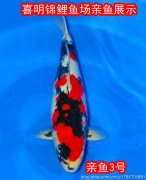
Which koi are easy to keep? Introduction to koi breeding methods
I. Selection of koi broodstock For broodstock used for breeding, generally choose those over 3 years old, over 60 cm in body length, with pure bloodlines, excellent color and quality, and strong physique. Generally, male koi can mature at one year of age, and female koi can mature at one and a half years, but at this time, due to genetic...
-
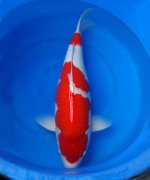
Which koi varieties have good colors, and what feed do they eat every day?
Daily feeding of koi Feeding is the most important part of daily management, and also the most interesting one. Every day beside the pond (or tank), watching the fish happily compete for the feed, the joy is truly endless. The feeding amount is something to pay attention to. Feed too little...
条件筛选