-
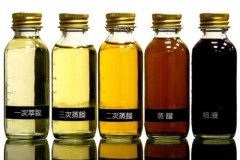
Uses of Wood Vinegar in Agriculture: Wood Vinegar Uses and How to Use Wood Vinegar
Production and Use of Wood Vinegar: What are the agricultural uses of wood vinegar? Do you know the uses of wood vinegar and how to use it? Let's take a look below. Uses of Wood Vinegar The main component of wood vinegar is vinegar, and in addition there are
-
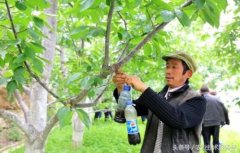
How to Make Sugar-Vinegar Solution: Formula Ratios and Functions Explained
Sugar-vinegar solution: Spraying sugar-vinegar on leaves can prevent and control pests, diseases and frost damage. After spraying vinegar solution on crop leaves, it increases leaf acidity, which in turn inhibits or kills pests and diseases that cannot tolerate acidic conditions, achieving control. According to observational research, bacterial diseases
-

Detailed Explanation of Vinegar Making Methods and Fruit Fly Control Techniques
Do you know how to make acetic acid? And do you know anything about fruit fly control methods? If not, let's take a look together below. I. Acetic Acid Making Method Purpose of use: Pouring into soil has the effect of suppressing nematodes; spraying on leaves has a fertilizing effect and also has repellent and sterilizing functions.
-
Big and plump strawberries grown with mile-a-minute weed biochar-based fertilizer and vinegar liquid
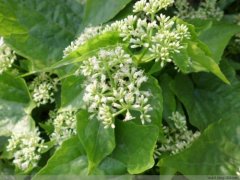
Mile-a-minute weed biochar combined with vinegar liquid produces big and plump strawberries. Want to learn how? Then read the introduction below. Huang Ying-pin, senior researcher at the Ecosystem Technology Laboratory of the Central Branch of the Industrial Technology Research Institute, says that mile-a-minute weed (Mikania micrantha) is native to Central and South America, harms crop growth, is known abroad as the "mile-a-minute weed", and is also regarded as the "green cancer" of the plant world. Mile-a-minute weed spreads rapidly in Taiwan, China, and is a plant that forestry units want to eradicate as quickly as possible, but it is not entirely useless. Research has shown that mile-a-minute weed is rich in micropores and is a very good charcoal material, which can be converted into "biochar" and "vinegar liquid" through carbonization technology; biochar can be used for soil improvement, and combined with vinegar liquid it becomes a pest and disease control agent or a plant growth promoter.
-
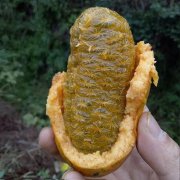
What kind of fruit is the niulvantuo (Holboellia latifolia)? The benefits of niulvantuo and the benefits of its vine
The name niulvantuo sounds very strange. Could it be a part of a cow's body? Actually, it is not. Niulvantuo is a fruit. It is quite common in some regions, but completely absent in others, which is why many people do not know this food at all. Niulvantuo is also called niuyaozi
-

How to Plant Sweet Potato Vines: A Detailed Guide to Planting Time and Methods
Do you know how to plant sweet potatoes? Sweet potatoes are generally grown from sweet potato vines. First, let old sweet potatoes sprout slips, then prune the slips. Usually, a slip with two to 3 leaf nodes can be planted as one sweet potato start. If you want to propagate new plants, you can use the sweet potato vines cut the first time, or use the vines harvested this time and replant them for propagation. Let's take a look below at what needs attention when planting sweet potatoes.
-
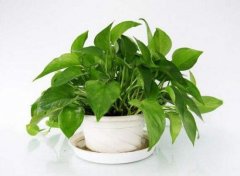
How Often to Water Pothos? Grow It This Way for Lush Growth and Long Vines
Pothos is an especially easy-to-grow ornamental plant. This plant is a perennial evergreen vine, and it is particularly well suited to indoor cultivation. So how should you grow it to make it more lush? Some pothos never produce vines no matter how you grow them, so how should you grow it to get vines?
-
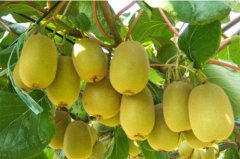
How Many Years Until Kiwi Vines Bear Fruit? A Detailed Guide to Planting Techniques and Growing Environment Conditions
Do you like eating kiwi? Have you ever looked into the growing environment of the kiwi vine, and how to get it to produce good kiwi fruit? Let's take a look at kiwi planting techniques together. Kiwi growing environment conditions: kiwi is afraid of drought, waterlogging and wind. It is cold-resistant, likes light
-
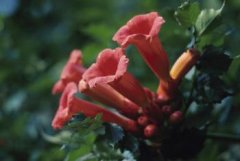
Reasons for Trumpet Vine Flower Death and the Medicinal Value of Trumpet Vine Roots
Trumpet vine, also known as trumpet creeper, usually grows aggressively. It spreads and climbs over various structures, in some cases reaching up to 35 feet. Although trumpet vine is very hardy, resistant to most pests and diseases, and not picky about water or soil
-

Sweet potato mechanical harvesting is highly efficient, making vine removal, digging and harvesting simple and labor-saving
Traditional sweet potato harvesting is extremely labor-intensive, and imported sweet potato harvesters have many drawbacks. The Taoyuan District Agricultural Improvement Station developed the "vine removal and harvesting combined operation machine." The model is smaller than imported sweet potato harvesters, costs less than half as much, and is 60 to 80 times faster than manual harvesting.
条件筛选