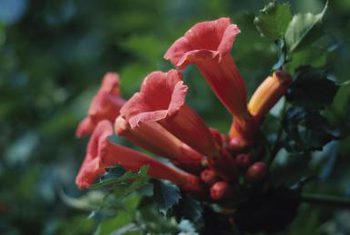
Reasons for Trumpet Vine Flower Death and the Medicinal Value of Trumpet Vine Roots
Trumpet vine, also known as trumpet creeper, usually grows aggressively. It spreads and climbs over various structures, in some cases reaching up to 35 feet. Although trumpet vine is very hardy, resistant to most pests and diseases, and not picky about water or soil, the plant can still die from certain environmental or biological conditions. So what are some of the reasons for trumpet vine death? Do trumpet vine roots have medicinal value?
Poor soil drainage:Trumpet vines do not need a specific type of soil to grow; as long as it drains well, they can thrive in sandy, loamy, rocky or clay soil. Heavy soil or dense soil that does not drain will make it difficult for the vine to grow. Moist soil can cause root rot, which can also lead to plant death.
Abnormal sunlight:Although trumpet vines do not have strict sunlight requirements, they generally need partial to full sun. Some trumpet vines may grow under mostly shady conditions, but full shade can slow their growth and flowering, leading to eventual plant death.
Powdery mildew:Powdery mildew is one of the only diseases that can affect the health of trumpet vine. In mild cases, it does not do much beyond covering the leaves with a white powdery substance and causing leaf drop. In severe cases, powdery mildew can spread to all parts of the plant, slowing its growth and causing death. Powdery mildew usually occurs in shady locations with temperatures between 60 and 80 degrees Fahrenheit.
Transplant shock:If your trumpet vine was transplanted before it died, the plant may have died from transplant shock. This occurs when the roots are disturbed or damaged, causing the plant to be unable to absorb nutrients and water. It can also occur if the plant experiences major changes in temperature, light or wind. Whatever the cause, transplant shock can lead to slow growth, leaf browning and drop, wilted flowers and eventual plant death.
Do trumpet vine roots have medicinal value? So far, no medicinal value has been found in trumpet vine. If it is a folk remedy, then be sure to take care not to use it casually, as it may have the opposite effect.