-
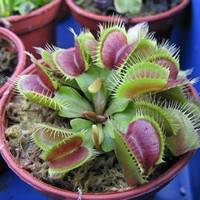
Do you really know the Venus flytrap plant?
The Venus flytrap is a very interesting carnivorous plant, truly a "fighter jet" among plants. Native to North America, it has a trap at the tip of its leaves that closely resembles a "shell," and it can secrete nectar. When a small insect wanders in, it snaps shut at extremely high speed and digests and absorbs it.
-
How about the Venus flytrap, and cultivation tips for the Venus flytrap
How about the Venus flytrap, and cultivation tips for the Venus flytrap
-
Venus Flytrap Care Notes: How to Grow a Venus Flytrap
Venus Flytrap Care Notes: How to Grow a Venus Flytrap
-
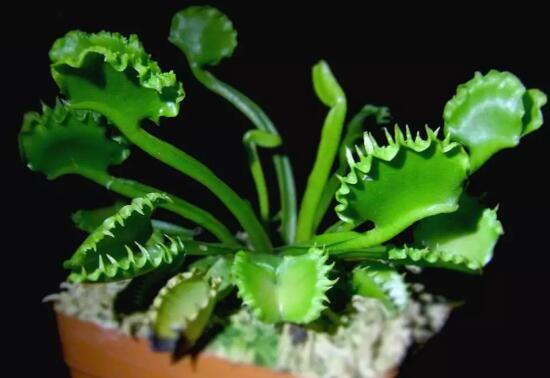
Venus flytrap benefits and effects: beautifies the home, purifies the environment, and offers fascinating insect-catching fun
Most people have heard of the Venus flytrap. It is a plant that can repel mosquitoes, and every summer it becomes a houseplant for many people. When it comes to the Venus flytrap, everyone thinks of its ability to catch flies, but besides catching insects, do you know its other benefits and effects? It does not matter if you do not
-
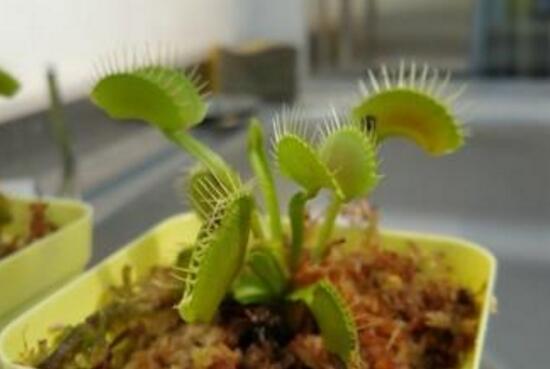
There are three propagation methods for Venus flytraps: leaf cuttings, division, and sowing.
As a plant that can repel mosquitoes, keeping a Venus flytrap indoors not only eliminates flies and insects in the home but also purifies the air, so every summer it becomes something people seek out. With the growing demand for Venus flytraps, mass propagation is imperative, so how do you propagate a Venus flytrap?
-
What is the flower name of the Venus flytrap? Let us introduce you to the flowers of the Venus flytrap
The Venus flytrap is a very interesting carnivorous plant, truly a "fighter jet" among plants. Native to North America, it has a trap at the tip of its leaf that closely resembles a "shell" and can secrete nectar. When a small insect intrudes, it clamps it shut at extremely fast speed and digests and absorbs it.
-
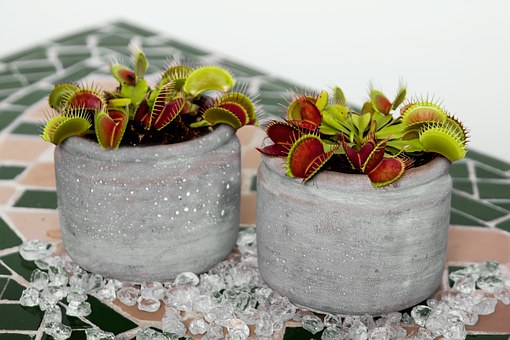
Is the carnivorous plant Venus flytrap poisonous? Plus market price, flowering period and growing methods to encourage blooming
The Venus flytrap, also known as the insect-eating plant, insect-catching plant, etc., is a very interesting perennial carnivorous plant. Because of its strange appearance and its ability to catch insects, it is deeply loved by people, and many people now like to grow it indoors.
-
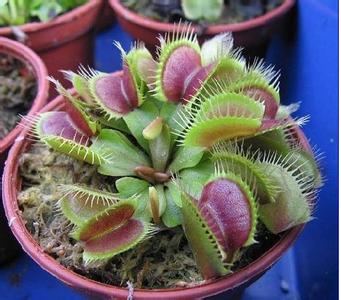
Detailed Guide to Venus Flytrap Cultivation Methods and Techniques
The Venus flytrap is a very popular carnivorous plant, possessing a complete set of roots, stems, leaves, flowers, and seeds. Its leaves are the most important and prominent part, with the function of catching insects; the appearance features obvious trigger hairs and red sessile glands, and its look resembles a ferocious gaping bloody maw
-
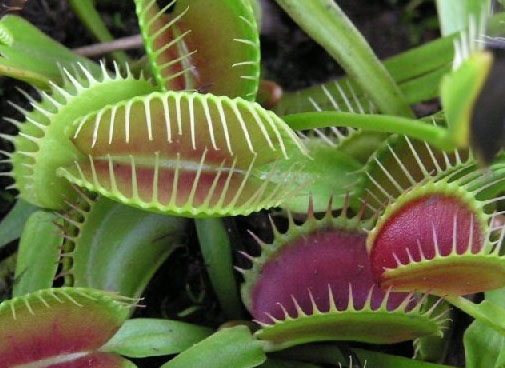
How to Grow Potted Venus Flytraps? Detailed Planting Method
The Venus flytrap (Dionaea muscipula) is a small carnivorous plant in the genus Dionaea, family Droseraceae. The genus contains only one species, native to the sandy bogs of southern North Carolina and northern South Carolina in the United States. The plant stays green all year round, with white flowers and a flowering period of 5-7 months.
-

Why does the Venus flytrap move, and will a Venus flytrap die if it doesn't eat insects? The moving video is very satisfying
When it comes to the Venus flytrap, everyone knows it is a plant that can repel mosquitoes, but unlike mosquito-repellent geranium and night-blooming jasmine, which use fragrance to repel mosquitoes and insects, the Venus flytrap uses its large traps to snap insects to death. This raises a question: why does the Venus flytrap move? It is quite normal for a Venus flytrap to eat insects
条件筛选