How about the Venus flytrap, and cultivation tips for the Venus flytrap
Today, as technology becomes increasingly advanced but the environment grows increasingly poor, more and more people like to grow green plants, because green plants can not only beautify the environment but also purify the air and protect human health, so there are now more and more varieties of green plants. Some plants are grown for ornament, some for food, and some for catching insects. So let us take a look below at how the Venus flytrap is and the cultivation tips for the Venus flytrap.
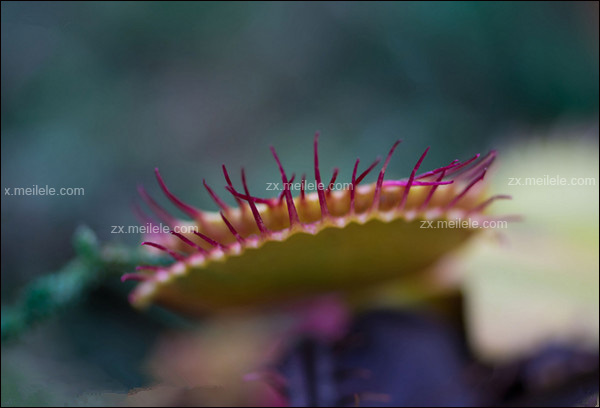
The Venus flytrap is a type of vascular plant, native to North America. It is said that because the edges of its leaves have regular bristles, as if they were Venus's eyelashes, its English name is "Venus Flytrap," translated as "Venus's flytrap." Its main feature is that it can close its leaves very quickly to prey on insects; its appearance, with obvious bristles and red sessile gland areas, looks like a gaping bloody mouth with bared teeth and claws. Potted plants can be placed on sunny windowsills and balconies for viewing, and can also be grown in planting troughs; the Venus flytrap is known as a carnivorous plant of the natural world and is a very popular insectivorous plant.
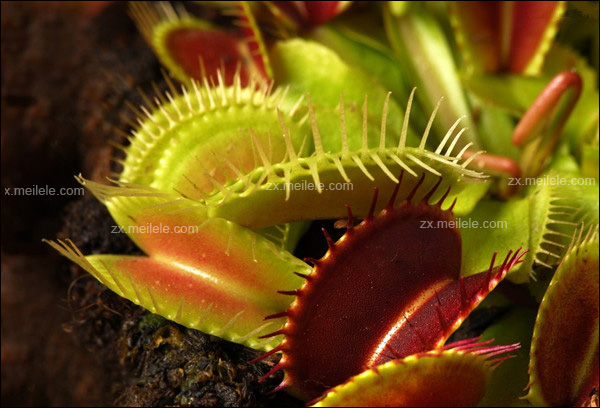
●Habits
The Venus flytrap likes humid, warm and sunny environments. It fears dryness and strong light, and is not cold-tolerant. It is suitable for fertile, loose and well-aerated peat moss soil, with a soil pH of about 5.5. The suitable temperature for spring sprouting and the summer growing season is 21-31°C, and the wintering temperature generally cannot be lower than 8°C, otherwise it is easily damaged by low temperatures.
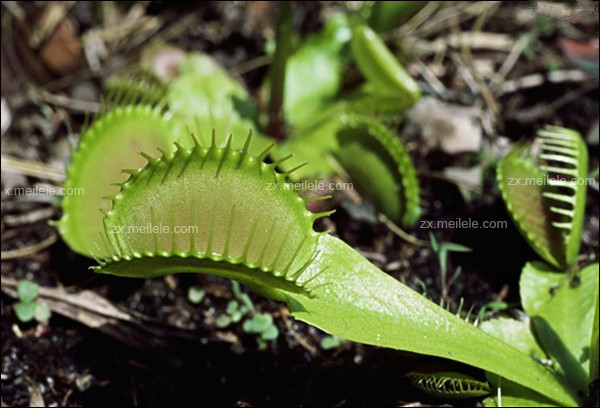
●Propagation
It is commonly propagated by division, cuttings and sowing. Division is mostly carried out in March in spring; pry open the bulbs and they can be potted directly, and when planting they should not be buried too deep, with the top of the bulb level with the soil surface; cuttings are mainly leaf cuttings, cutting mature and robust leaves during the growing season and inserting them into sphagnum moss, keeping the air humidity relatively high after insertion, and they will root in about 30 days; sowing is suitable in pots in spring from March to April, using peat moss soil as the potting soil, keeping the substrate moist after sowing, with a suitable germination temperature of 19-26°C, and germination in about 45 days after sowing.
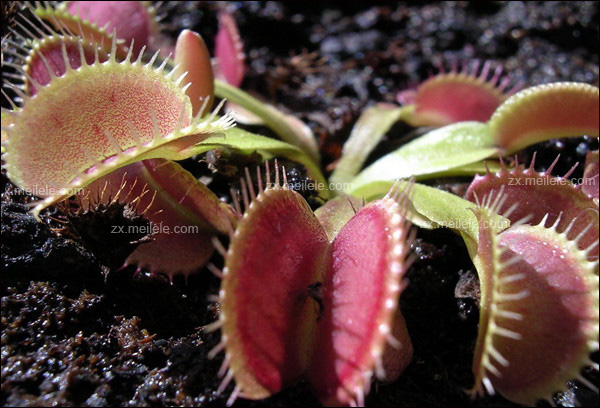
●Care
Venus flytrap seedlings grow slowly, so place more tiles at the bottom of the pot, cover with peat moss soil on top, and spray water frequently to maintain relatively high air humidity; do not fertilize during the growing season, regularly feed with fresh beef slices or insects, and at the same time place it in a sunny spot so it can grow robustly; if the light is insufficient, it is prone to mold and rot. In winter it enters dormancy; the room temperature should not be too high, but relatively high air humidity still needs to be maintained.
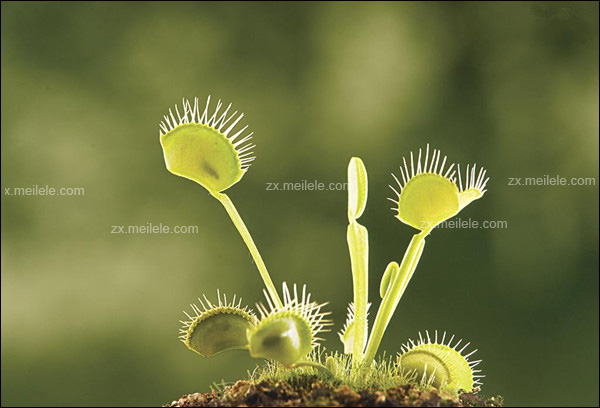
The above is our introduction to how the Venus flytrap is and the cultivation tips for the Venus flytrap. Well, everyone should now have some understanding of the Venus flytrap and how to grow the Venus flytrap. If you are interested, you might as well try growing it at home; it can not only beautify the indoor environment but also help "eliminate" indoor insects.
[More information]
| Plectranthus amboinicus | Marigold cultivation | Care methods for the happiness tree | Flower pictures and names | Effects of the pothos flower | How to grow gardenia |
| Cactus cultivation methods | Potted flower pictures | Murraya paniculata bonsai | Christmas cactus cultivation methods | Serissa bonsai | Bowl lotus |
| Office feng shui plants | Alocasia cultivation methods | Camellia cultivation methods | Hyacinth flower language | Rose pictures |
| Zamioculcas pictures | Plum blossom verses | Potted fruit trees | How to grow carnations | Is the rubber tree toxic | Cymbidium nine-child grand orchid |