Venus Flytrap Care Notes: How to Grow a Venus Flytrap
Generally speaking, there are many animals that feed on plants, but far fewer plants that feed on animals, and the Venus flytrap is one of those few. Growing Venus flytraps has become a popular pastime among young people recently; their strange shape always brings a different kind of visual pleasure, making them very suitable for young people who like novel things.
I. What Is a Venus Flytrap
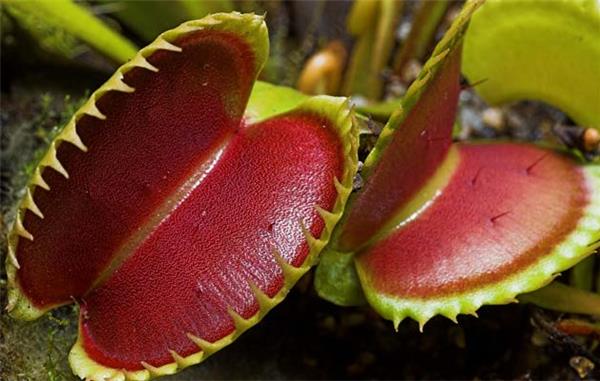
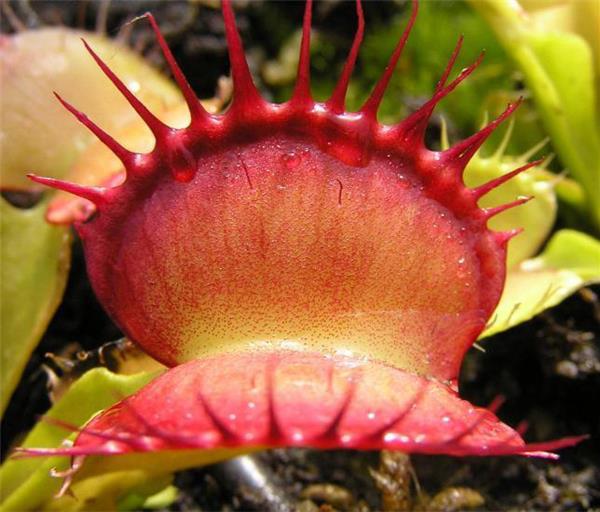
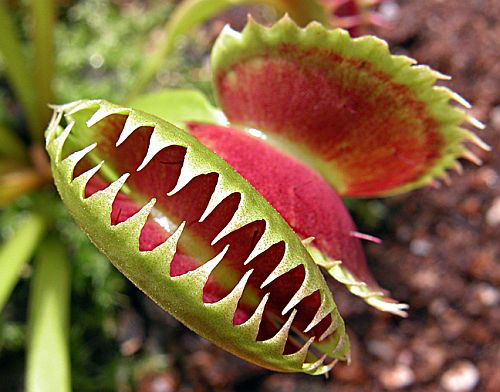
The Venus flytrap, also called the Venus's flytrap, is a carnivorous plant. They lure and capture flies and insects, and rely on the nutrients obtained from digestion to supply what they need. As a device necessary for hunting flies and insects, the Venus flytrap naturally has traps, and its leaves are like two shells; when closed they form a completely sealed space, and the outer edges even grow sharp spines. The Venus flytrap's full armament means that once it catches prey, it can almost infallibly digest it all smoothly, so to speak eating insects without spitting out the bones.
Of course, during the hunting process the Venus flytrap may also make mistakes, closing on things that are not flies or insects, such as dead leaves, as if holding them in its embrace. What should be done in this situation? In fact, after the Venus flytrap senses a wrong signal, if a non-insect object is closed inside the trap leaf, it will waste resources digesting a substance that cannot provide nutrients. When the Venus flytrap closes and carries out the digestion process for a certain period of time without absorbing any nutrients, it will automatically open the leaf trap, release the useless substance from the leaf trap, and enter a new round of fly-catching.
II. Notes on Growing Venus Flytraps
Deep pot - The roots of the Venus flytrap grow downward, so a deep pot gives them room to develop, and the advantages of a deep pot are not limited to this. As everyone knows, the moisture content of each soil layer is different; the thicker the soil layer, the more layers there are with different moisture contents. Because of its increased height, a deep pot increases the space for the roots to choose suitable moisture themselves. Roots of different lengths can, according to their own needs, supply the plant's requirements at different layers.
Loose soil - The density and water-holding capacity of the medium determine the planting method. Media with high density and good water-holding capacity, such as pure sphagnum moss or pure peat, can be grown without the water tray method, and the watering interval can be longer. Conversely, media with large particles are looser, so you must frequently pay attention to maintaining moisture. In looser media, more air circulation is good for the plant's roots.
Humidity - You need to consider the climate of your residence. If you live in a tropical region or a famously humid region like the southeastern United States, you can probably grow these plants in a simple flowerpot. However, in regions with lower humidity like the southwestern United States, you need to buy a small glass terrarium. With a glass terrarium, you can place the Venus flytrap in this transparent container with a movable lid for growing; it can retain moisture and keep the air humid, while also letting in plenty of sunlight.
Plenty of water - You must frequently check the soil in the flowerpot or glass terrarium, and never let it dry out completely. You can grow moss on the surface of the pot; after planting moss, the area for water evaporation will certainly be larger than the pot surface, and the air humidity provided around the plant will also be greater.
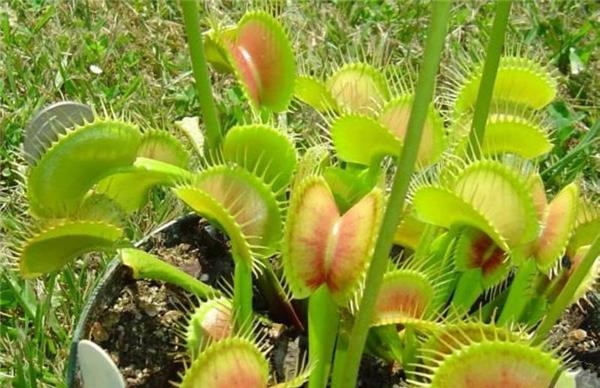
Acidic - You need to go to a gardening supply store and buy a mixture of peat soil and sand soil with a nutrient composition similar to that of a bog. The Venus flytrap can only grow to about 13 cm tall, and each plant grows about 4 to 8 traps. If you apply too much fertilizer to the Venus flytrap in an attempt to make it grow larger, it may ultimately hinder rather than promote its growth, because this plant has evolved to thrive in poor environments.
Full of insects - If your Venus flytrap grows in a glass terrarium or indoors, then you must provide these foods for the Venus flytrap yourself. Their appetite is not greedy: two to three small insects per month can satisfy them. If your Venus flytrap is not outdoors, you also need to manually remove the leftovers it leaves after its meal; without wind and rain to help clean up, these leftovers such as insect exoskeletons will not be removed cleanly from the traps.
Proper light - Light is not better the stronger it is; it still needs to be moderate. Moderate light and a stable environment are also one of the secrets to growing beautiful Venus flytraps.
III. The Price of Venus Flytraps
The price of a Venus flytrap is related to its variety and size. Generally, common flower-market Venus flytraps are very cheap; about twenty yuan can get you a fairly large seedling. Some advanced varieties, such as G9 and Grimace and the like, are absurdly expensive even as tiny seedlings, costing hundreds of yuan. So you can choose according to your needs: if you are just curious, then choosing a flower-market Venus flytrap is enough; if you want to collect more varieties, then you can start with medium-priced varieties such as Dentate and so on, and once you have fallen into the hobby, choose slowly later.
That is all for the introduction to the Venus flytrap. Has everyone become interested in this carnivorous plant? Growing this somewhat eccentric plant at home can absolutely bring a kind of fresh vitality and novelty to everyone's ordinary life, so friends who pursue novelty might as well give it a try.
once you have fallen into the hobby, choose slowly later.
That is all for the introduction to the Venus flytrap. Has everyone become interested in this carnivorous plant? Growing this somewhat eccentric plant at home can absolutely bring a kind of fresh vitality and novelty to everyone's ordinary life, so friends who pursue novelty might as well give it a try.