Is the carnivorous plant Venus flytrap poisonous? Plus market price, flowering period and growing methods to encourage blooming
The Venus flytrap, also known as the insect-eating plant, insect-catching plant, etc., is a very interesting perennial carnivorous plant. Because of its strange appearance and its ability to catch insects, it is deeply loved by people, and many people now like to grow it indoors. So is the Venus flytrap poisonous? How much does one pot generally cost on the market? In which month does it bloom? How should it be grown so that it blooms?
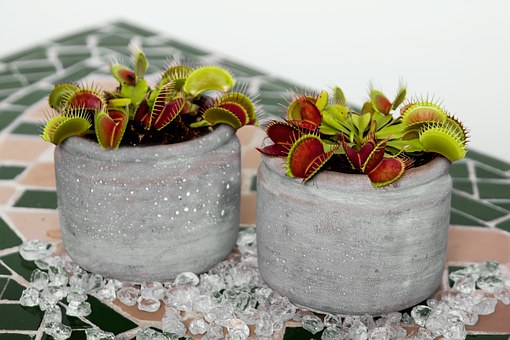
Is it poisonous? How does it catch insects?
The Venus flytrap has a very strange appearance. At the top of the plant grow two leaves shaped like a clamp, and the edges of the leaves have relatively long spikes. This clamp is the part that catches insects. It can secrete on the insects it catches, absorb and digest their juices. The clamp opens and closes very quickly. If it finds an insect has fallen in, it will close rapidly so the insect cannot escape. Because of this, many friends ask: if a finger accidentally touches it, will it hurt us? In fact, it does no harm to people at all, so it is non-toxic.
Latest market price:
The price of the Venus flytrap is related to the variety and size. Generally, the common Venus flytrap is very cheap; about twenty yuan can get a fairly large seedling. Some premium varieties, such as G9, Jiansiao and the like, are absurdly expensive even as tiny seedlings, costing hundreds of yuan.
Flowering time:
Generally speaking, a Venus flytrap grown from seed will reach maturity after 4——5 years of cultivation, and at that point it can bloom and bear fruit. Its flowering period is in summer. Strictly speaking, it will bloom not long after new leaves grow out in spring, and will continue blooming into midsummer. When it blooms, many flower buds generally grow on the flower stalk, and one flower opens every other day. If the flower is not pollinated, it can stay open for several days, but after successful pollination, the flower will wither the next day.
Growing tips:
1. Pot: For potted Venus flytraps, try to choose a deeper pot. A deep pot can better provide the nutrients the Venus flytrap needs for growth.
2. Light: The Venus flytrap likes sunlight, but it is not suitable for long periods of exposure to strong sun. Except in summer, the Venus flytrap can receive light all day. If light is insufficient, artificial lighting must be considered.
3. Humidity: The Venus flytrap likes a humid environment, and its humidity needs are relatively higher than those of other plants. The tray method can be used, with a large water tray, to ensure the Venus flytrap's soil has sufficient humidity.
4. Substrate: Loose soil is more conducive to the growth of the Venus flytrap, helping root ventilation and air circulation, but attention should be paid to water retention.
5. Water: Choose water with low mineral salt content and low hardness to water the plant. Substandard water quality must not be used. At the same time, attention should also be paid to draining salts and reducing salt content.