There are three propagation methods for Venus flytraps: leaf cuttings, division, and sowing.
As a plant that can repel mosquitoes, keeping a Venus flytrap indoors not only eliminates flies and insects in the home but also purifies the air, so every summer it becomes something people seek out. With the growing demand for Venus flytraps, mass propagation is imperative, so how do you propagate a Venus flytrap? Below are three propagation methods for Venus flytraps; follow along with the editor to learn more.
I. How to propagate a Venus flytrap: leaf cuttings / division / sowing
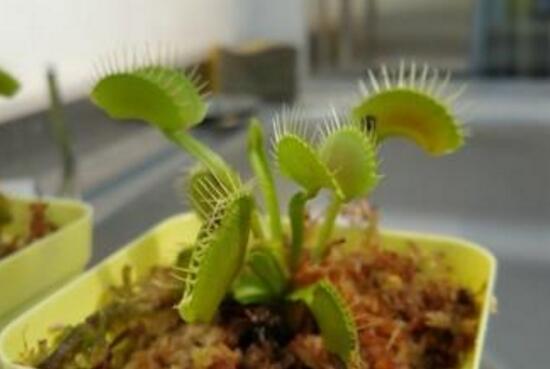
As a green plant that can be kept indoors, the Venus flytrap's propagation methods are no different from those of other plants; they are mainly divided into sexual reproduction and asexual reproduction. Asexual reproduction is further divided into the leaf-cutting method, the division method, and the flower-bud method; sexual reproduction is the sowing method. The editor will explain in detail how to do each.
(1) Asexual reproduction of the Venus flytrap
1. Leaf-cutting method
Leaf cutting is the most common of the Venus flytrap's propagation methods. From late spring to early summer, during the season when the Venus flytrap grows vigorously, dig it out of the soil. After that, you can see the Venus flytrap's white petal-like leaf stalks; peel them off together with the traps and the bases of the leaf stalks.
Then insert this “leaf” diagonally into clean substrate such as sphagnum moss, maintain high humidity and give it enough light, and after about two months it will grow new shoots. Finally, this leaf will grow into a new plant.
2. Division method
Division is also one of the important propagation methods for Venus flytraps. When the Venus flytrap grows side shoots, as long as they are large enough and have complete roots, take them off, then insert them directly into a new flowerpot, water them thoroughly, and place them in a cool place to recover. After about twenty days, the side shoots will take root, and a new Venus flytrap will have appeared.
3. Flower-bud method
This is a propagation method with low ease of operation and a low survival rate, using temperature differences to turn the Venus flytrap's flower bud into a plant! Method: if the temperature difference between day and night is very large, it will induce the Venus flytrap's flower bud to transform into a new plant; at this point you can cut off this small plant and plant it in soil, and it will be another new Venus flytrap.
(2) Sexual reproduction of the Venus flytrap
4. Sowing method
The Venus flytrap bears fruit after flowering, so it can also be propagated by seed. However, Venus flytrap seeds cannot be stored for very long, so it is best to buy seeds collected in the current year and no more than three months old. Note that before planting, soak the seeds in soft water for about 48 hours, which can increase the germination rate.
The sowing substrate is best sphagnum moss; if it is dry, you can first soak it in water. Then sprinkle the seeds directly on the surface of the clean substrate, and be sure to maintain high humidity. If the north is relatively dry, you can directly use the tray-watering method for planting, and they generally germinate in about 1 month. Not long after, the Venus flytrap's cotyledons will also appear.
Overall, Venus flytraps can be propagated by leaf cuttings, division, flower buds, and sowing, but the one most suitable for the majority of flower enthusiasts is still leaf cutting. So flower enthusiasts who want to turn one pot of Venus flytraps at home into many pots should quickly try it themselves; even beginners have a very high chance of success~ That is all the editor has to introduce about Venus flytrap propagation methods, and I hope it can be helpful to everyone.
How to propagate a Venus flytrap: sowing and leaf-cutting methods
How to propagate a Venus flytrap: generally you can use sowing, leaf cutting, and division, all 3 propagation methods work, and flower enthusiasts can choose a suitable propagation method according to their own conditions. Below are the Venus flytrap sowing, division, and leaf-cutting propagation methods respectively.
How to propagate a Venus flytrap 1. Sowing propagation methodVenus flytrap seeds should be sown as soon as possible after harvest; the longer the time, the lower the germination rate, and storage time should not exceed 12 months. When sowing, you can directly sprinkle them on the surface of a clean substrate (you can use mixed peat or pure sphagnum moss); do not cover the surface with soil, or cover with 1-3 mm of fine peat or fine-grained akadama soil to help fix the root system, maintain high humidity and bright light, keep the temperature at 15-30 degrees, and they will germinate in about one month; it takes 3-5 years of growing to reach mature plant size.
2. Leaf-cutting propagation methodPeel a whole leaf from the mother plant and insert it diagonally or lay it flat on clean substrate such as sphagnum moss, maintain high humidity and bright light, and in about 2 months it can grow shoots.
3. Division propagation methodVenus flytraps often grow side shoots. When they grow large enough, the divided bulbs will naturally separate from the mother plant; at this point you can dig them out and cultivate them separately or separate and plant them when repotting.
Venus flytrap propagation methods
Sexual reproduction of the Venus flytrap
The Venus flytrap is a seed plant and can be propagated by seed, and can also self-pollinate. But in most cases it only sets fruit with manual pollination. However, if the timing of pollination is wrong, manual pollination of the Venus flytrap will not necessarily succeed either.
The Venus flytrap's flowers do not have stamens and pistils maturing at the same time. Often the stamens mature first and the pistils mature later. So pollinating it at that time is useless. Because the Venus flytrap's pistil usually matures one day later than the stamens, the correct pollination timing should be the second day after the flower opens.
If pollination succeeds, the flower will wither within 1-2 days, and the ovary (the base of the pistil) will begin to swell, and the fruit can mature after several weeks.
A single Venus flytrap fruit generally contains a dozen or so seeds, black, teardrop-shaped.
The number of seeds is related to the health and size of the plant itself; robust plants usually can set a few more seeds.
Because Venus flytrap seeds do not keep well, they should be sown as soon as possible after harvest.
If you want to grow larger Venus flytraps, do not let them flower frequently, because flowering consumes a lot of nutrients. You can cut off the flower stalk as early as possible when it is sent out.
Asexual reproduction of the Venus flytrap
Leaf-cutting method
It is a commonly used propagation method for Venus flytraps, that is, inserting a section of leaf stalk into soil and it can grow into a new plant.
From late spring to early summer, during the season when the Venus flytrap grows vigorously, after digging the Venus flytrap out of the soil, we can see its white petal-like leaf stalks buried in the soil. Peel off the Venus flytrap's trap together with the leaf stalk, along with the white base of the leaf stalk, then place these leaf stalks on the cultivation medium, maintain high humidity and give enough light, and after several weeks new shoots will emerge.
Division method
When the Venus flytrap grows side shoots, as long as they are large enough and have complete roots, they can all be separated from the mother plant and cultivated separately.
Flower-bud method
Sometimes because of temperature differences, the Venus flytrap's flower bud will turn into a plant!
If the temperature difference between day and night is very large, it will induce the Venus flytrap's flower bud to transform into a new plant; at this point you can cut off this small plant and plant it in soil, and it will be another new Venus flytrap.