-
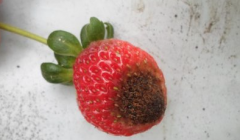
Strawberry Anthracnose: Causes, Symptoms and Control Methods
Strawberry anthracnose is a destructive fungal disease that can destroy an entire crop if left unchecked. Treating strawberry anthracnose may not completely eliminate the disease, but early attention can keep the problem under control. Strawberry Anthracnose Information Strawberry anthracnose was once
-
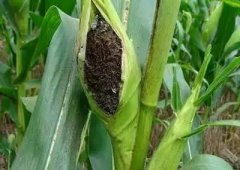
What Is Corn Smut? Causes and Control Methods
Corn smut is a fungal disease of the corn plant, caused by the pathogen Sphacelotheca reiliana. It is a systemic disease that can infect the plant as a seed, but symptoms do not appear until the plant reaches the flowering and fruiting stage. Smut is easily mistaken for
-
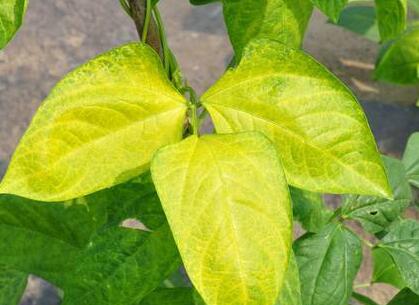
What to Do When Bean Leaves Turn Yellow? Causes and Control Methods
Many farmers encounter the problem of yellowing bean leaves, whether it is new leaves turning yellow or old leaves at the bottom turning yellow. There are many reasons for leaf yellowing, and if effective measures are not taken in time, it can even lead to total crop failure in severe cases. Below are several effective measures recommended for bean leaf yellowing under different circumstances.
-
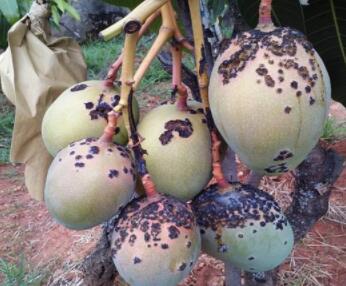
Causes and Control Methods of Bacterial Angular Leaf Spot
According to the Huaping County Organic Late-Maturing Mango Research Center, this year's temperatures in Huaping differ from previous years. In the early period (February to April), temperatures fluctuated between high and low; from May to mid-June, temperatures were relatively high with severe sun exposure, causing severe outbreaks of bacterial angular leaf spot in some mango-growing areas.
-
Polygonatum odoratum: Benefits, Uses and Cultivation Methods Explained
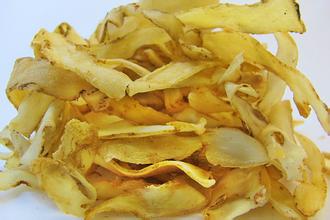
Polygonatum odoratum (fragrant Solomon's seal) is a plant of the Liliaceae family. Long cylindrical, slightly flattened, rarely branched, with a yellowish-white or pale yellowish-brown surface, semi-transparent, bearing longitudinal wrinkles and slightly raised nodes, with white dot-like fibrous root scars and disc-shaped stem scars. The texture is hard and brittle or slightly soft, easily broken, with a horny or granular fracture surface. Faint odor, sweet taste
-
Disease causes and treatment methods for yellowing leaves and slow growth in rice seedlings
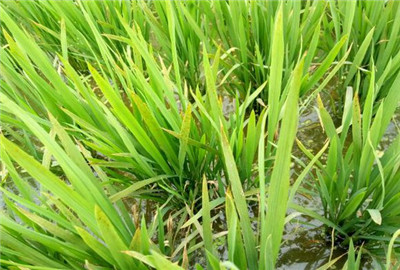
Rice is the second largest food crop in China, so achieving high rice yields is a matter of widespread concern. Because rice has weak resistance during the seedling stage, it is very prone to diseases. So what are the causes of these diseases? How can they be effectively treated? I. Nutrient deficiency effects a. Nitrogen deficiency starts yellowing from the tips of old leaves
-
Causes and Control Methods of Soft Rot in Lotus Root, Lettuce, and Romaine Lettuce
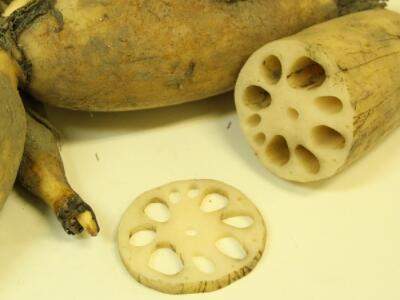
Lotus root, lettuce, and romaine lettuce are three crops prone to soft rot during production. So what are the causes, and what control methods are available? Let's take a look below. Causes and control methods of lotus root soft rot. Causes: 1. It is a fungal disease.
-
Causes and Control Methods of Angular Leaf Spot in Cucumber, Watermelon, Melon and Mango
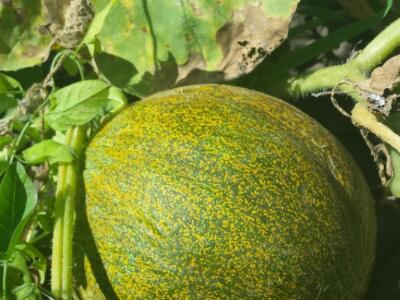
Angular leaf spot refers to a class of diseases that occur on the leaves of various crops such as cucumber, watermelon, melon and mango, with disease spots shaped like polygons. So what are their causes and control methods? This disease is mainly prevented, and scientific management together with good ventilation and drainage conditions
-
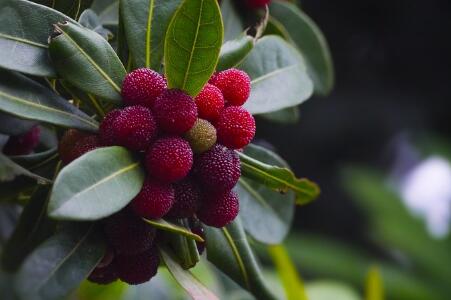
Causes and Control Methods of Gray Leaf Spot in Corn, Apple, Chinese Bayberry, Cowpea and Soybean
Gray leaf spot, also known as brown spot, speckle disease or frog-eye leaf spot, is a worldwide disease. So what are the causes and control methods of gray leaf spot in corn, apple, Chinese bayberry, cowpea and soybean? Let's take a detailed look below. Corn gray leaf spot: 1. For corn planted in early to mid-May during the sowing period
-

Clivia Houseplant Care: Growing Methods and Precautions
In summer, when temperatures are high, pay attention to shading; without shade, the leaves will grow long and narrow, seriously affecting its appearance. Below 5°C it will. Clivia growing methods and precautions. Soil: Use a dedicated soil that is loose, fertile, and well-draining. Temperature. This is also why many friends like to keep a pot of clivia in their living room or office to improve the surrounding environment. Xiaoqin will briefly explain the care methods for clivia. I hope these methods can better help you care for your own.
条件筛选