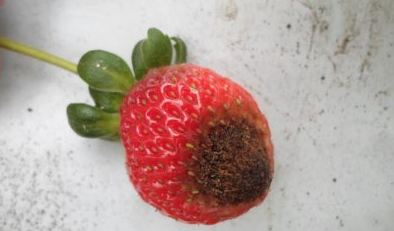
Strawberry Anthracnose: Causes, Symptoms and Control Methods
Strawberry anthracnose is a destructive fungal disease that can destroy an entire crop if left unchecked. Treating strawberry anthracnose may not completely eliminate the disease, but early attention can keep the problem under control.
Strawberry Anthracnose Information Strawberry anthracnose was once considered a disease of warm, humid climates, but the problem is becoming increasingly common no matter where strawberries are grown. The disease is usually introduced on infected strawberry plants. Once established, the fungus can live in the soil for months. The fungus overwinters on dead leaves and other plant debris, and on several types of weeds. Although the spores are not airborne, they are distributed by rain, irrigation, or people or gardening tools. Strawberry anthracnose develops rapidly. Signs of Strawberries with Anthracnose Strawberry anthracnose attacks nearly every part of the strawberry plant.
If the crown of the plant is infected, it usually shows rotting cinnamon-red tissue, and the entire strawberry plant may wilt and die. On the fruit, signs of the disease include pale brown, tan or whitish lesions. Sunken lesions eventually covered by pink-orange spores expand rapidly, covering the entire berry, which can gradually turn black and become mummified. Flowers, leaves and stems may also show tiny salmon-colored spores. How to Deal with Strawberry Anthracnose Plant disease-resistant varieties.
Check your strawberry patch frequently, especially in warm, humid weather. As soon as they appear, remove and destroy them immediately. Water at ground level whenever possible. If you must use a sprinkler, water in the morning so the plants have time to dry before temperatures drop in the evening. Do not work in the strawberry patch when the plants are wet. Mulch the planting area with straw to minimize splashing. Avoid overfeeding, because too much fertilizer makes strawberry plants more susceptible to disease. Remove old, infected plant debris, but be careful when working in the area while it is infected. Keep gardening tools clean to prevent the disease from spreading to uninfected areas. Keep weeds down, because certain weeds carry the pathogens that cause anthracnose in strawberries. Practice crop rotation.
Do not plant strawberries or other susceptible plants in infected areas for at least two years. Fungicides may be useful if used at the first sign of the disease.