-
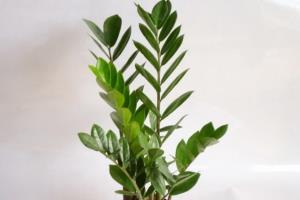
What causes root rot in the Money Tree? A Money Tree with root rot can still be saved
What causes root rot in the Money Tree? A Money Tree with root rot can still be saved
-
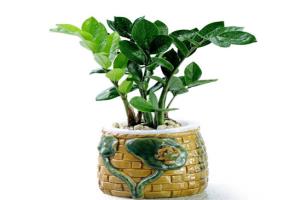
What to Do When a Money Tree's Roots Rot? Take Targeted, Effective Measures
Take Effective Measures and Treat the Root Cause: What to Do When a Money Tree's Roots Rot
-
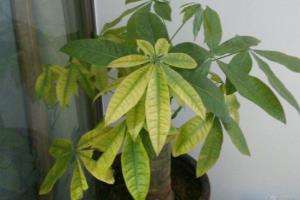
What to Do When a Money Tree's Leaves Turn Yellow? Only Treating the Root Cause Can Truly Solve the Problem
What to Do When a Money Tree's Leaves Turn Yellow: Only Treating the Root Cause Is the Fundamental Solution
-
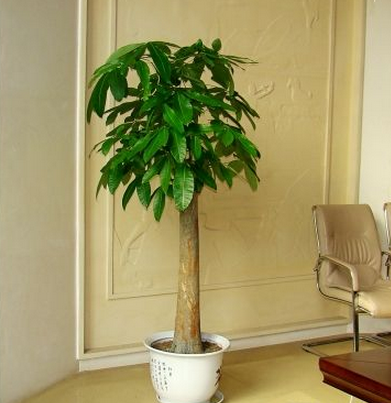
What to Do When a Money Tree's Leaves Turn Yellow? Easy Solutions by Treating the Root Cause
The money tree is one of the most popular houseplants, evergreen all year round with a graceful shape and good feng shui associations, and people love growing it in pots at home. However, in the process of growing a money tree, problems are inevitable, such as yellowing leaves. What causes this?
-
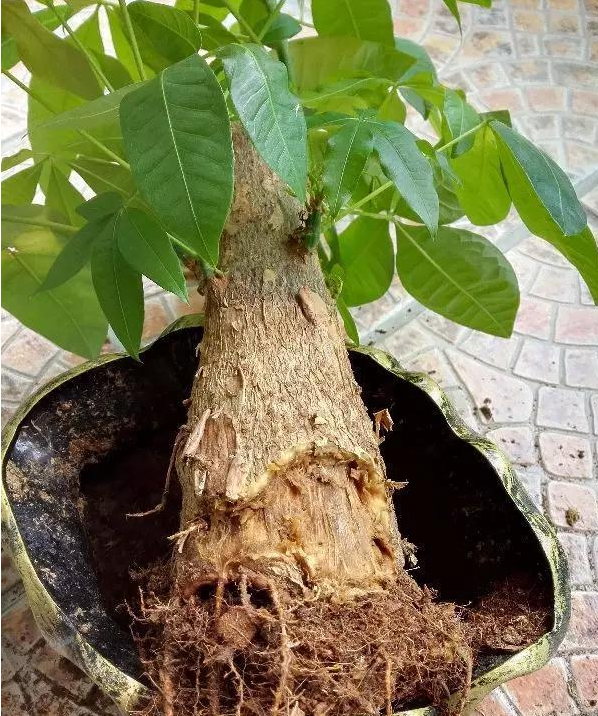
Treating a money tree with root rot this way, and can the soil left after it dies still be used?
The money tree (Pachira aquatica) is something many people love to grow; it looks so beautiful and is also very auspicious. Let's look at how to treat root rot in a money tree.
-
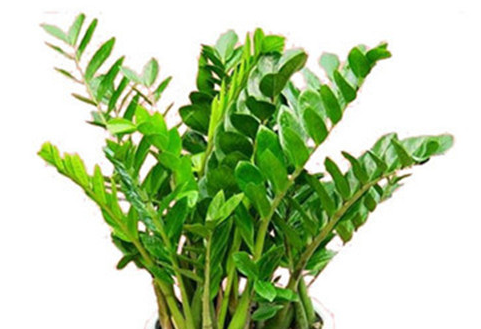
How to propagate the money tree correctly? And how to deal with root rot
Money tree, also known as Zamioculcas zamiifolia and golden pine. The money tree is a perennial evergreen herbaceous plant, and is a very rare foliage plant with underground tubers, native to tropical Africa. How to propagate the money tree correctly: division propagation: preparations, one pot of a vigorously growing money tree; specific method, in April
-

Why is intercropping tree peony root bark with Gastrodia elata so profitable?
Tree peony root bark (the root bark of the tree peony) and Gastrodia elata are both precious Chinese medicinal herbs. Intercropping Gastrodia elata in tree peony root bark fields is a new high-yield, high-efficiency cultivation model that is worth promoting to herb growers in Chinese medicinal herb growing regions everywhere. The most notable features of intercropping Gastrodia elata in tree peony root bark fields are: first, it makes full use of the land; second, the two are complementary; third, it eliminates the trouble of having to weed the tree peony root bark field frequently. The cultivation method is described below: 1. Planting tree peonies. 1. Site selection: The tree peony field for intercropping Gastrodia elata requires fertile, deep soil, and a slight slope is best.
-
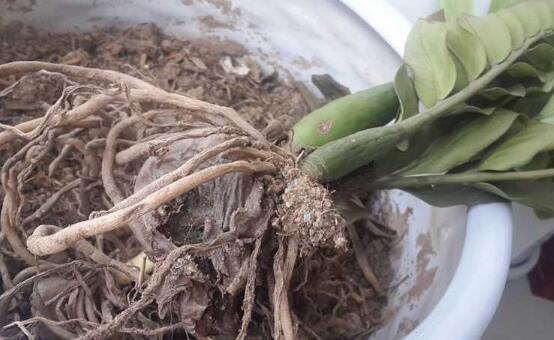
How to save a money tree with root rot? Cut away the rotten roots and replant; overwatering is the main cause
The money tree (Zamioculcas zamiifolia), with its bright green, attractive leaves and auspicious symbolism, is welcomed and loved by a wide range of people and is kept in many homes. However, quite a few gardening enthusiasts report that their money trees often develop root rot. Why is that? How do you save a money tree with root rot? On this subject
-
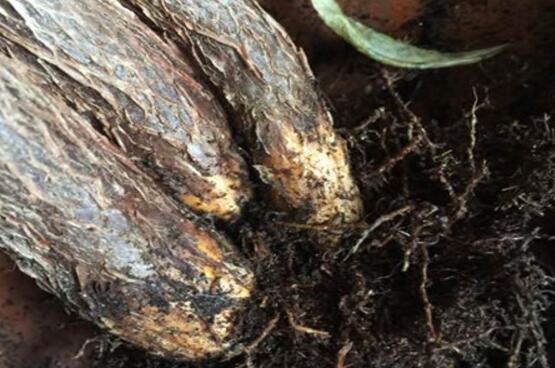
How to Rescue a Money Tree with Root Rot: Soil Disinfection, Removal of Rotten Roots, and Post-Care Are Key
As a plant with a sturdy, handsome form and beautiful emerald leaves, the money tree (Pachira aquatica) is loved by a wide audience and kept in many homes. However, many flower enthusiasts report that their money trees often develop root rot. Why is that? How do you rescue a money tree with root rot? On this topic,
-
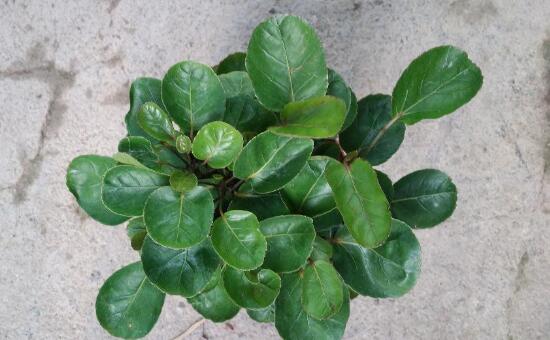
Money Tree leaves drooping? Insufficient light is the main cause; cut off the rotten roots and replant
Growing a Money Tree (Pachira aquatica) indoors is not the same as outdoors. Plant lovers may let their guard down for just a moment and the plant will develop all kinds of problems, such as yellowing leaves, drooping leaves, or even leaf drop. So what should you do when the Money Tree's leaves droop? To help the plant regain its glory, the editor has summed up 2 main causes
条件筛选