Money Tree leaves drooping? Insufficient light is the main cause; cut off the rotten roots and replant
Growing a Money Tree (Pachira aquatica) indoors is not the same as outdoors. Plant lovers may let their guard down for just a moment and the plant will develop all kinds of problems, such as yellowing leaves, drooping leaves, or even leaf drop. So what should you do when the Money Tree's leaves droop? To help the plant regain its glory, the editor has summed up 2 main causes. Let's take a look together.
1. When the Money Tree's leaves droop, find the cause
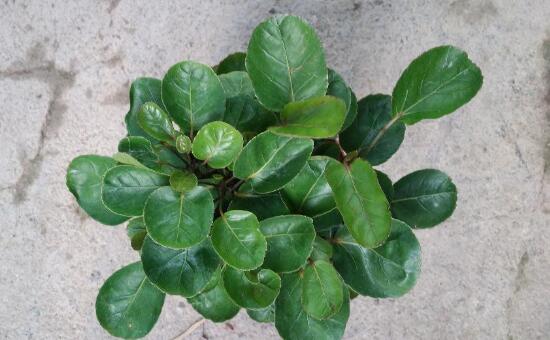
The beauty of the Money Tree lies in its evergreen foliage and leaves that look like bellybands. So when the leaves droop and problems appear, the plant's ornamental value drops a great deal, and plant lovers must be very anxious at this point! So what should you do when the Money Tree's leaves droop? At this point, don't panic. Carefully look for the cause, then solve it accordingly.
2. Causes of drooping Money Tree leaves and solutions
(1) Root rot
When you notice the Money Tree's leaves drooping, you should first consider the roots, because once the Money Tree's roots rot, the symptom is wilted leaves that then droop. This situation is mainly caused by two reasons:
1. Overwatering
Overwatering causes water to accumulate in the pot, which leads to root rot and ultimately drooping leaves. Solution: Air-dry the potting soil in good time, reduce the watering frequency, and just keep the potting soil moist.
2. Too much or too concentrated fertilizer
Applying too much or too concentrated fertilizer can also easily burn the roots, causing root rot and, in severe cases, plant death. Solution: Immediately flush the roots with a large amount of water to wash away the excess fertilizer. In severe cases, change the soil, wash the roots, and replant.
3. Unsuitable soil
Many plant lovers never change the soil after buying a potted Money Tree, which results in the soil becoming compacted, causing poor root respiration; over time, the roots gradually rot. Solution: Repot the Money Tree with fresh potting soil once.
4. Solution for root rot
Dig into the Money Tree's potting soil and see whether it has already started to rot. If you find rotten roots, you can try buying a little chlorothalonil and diluting it with water, then pouring it into the flowerpot or soil. But if the root rot is severe, you should cut off the rotten roots, replace the soil with fresh soil, and replant.
(2) Insufficient light
Although the Money Tree dislikes strong light, it is a foliage plant, and only with sufficient light will its leaves be more beautiful. Once light is insufficient, the leaves become very weak and look unhealthy, and the broad leaves cannot be supported, so drooping symptoms appear.
Solution: In this situation, first cut the branches shorter, leaving the main branch about 30 cm tall. Then move the flowerpot to an area that gets sunlight but not scorching sun. Finally, give it a little fertilizer, and it will gradually recover.
Overall, the Money Tree is not difficult to grow. As long as you care for it according to Money Tree cultivation methods, its leaves will be big and green and look very beautiful. But if the leaves droop, there is no need to panic; just remedy it according to the methods above. That is all the editor has to share about drooping Money Tree leaves, and I hope it helps everyone.
What to do about root rot in Dragon Bone Flower (Euphorbia tirucalli)? Cut off the rotten roots, replant, change the potting soil, and control water and fertilizer
Dragon Bone Flower, also called candle plant, sounds quite imposing just from the name. In fact, being imposing is only one of its traits. It is said that Dragon Bone Flower has strong benefits: it not only looks good but also has certain medicinal value. Such a plant is naturally grown in many plant lovers' homes, but during cultivation, many people encounter root rot. So what should you do about Dragon Bone Flower root rot? Today the editor will answer your questions.
1. When Dragon Bone Flower has root rot, find the cause
Plant lovers who have grown Dragon Bone Flower should know that it is not afraid of drought and not afraid of sunlight; you could say it is a very easy plant to grow. But if you are a beginner and do not care for it according to Dragon Bone Flower cultivation methods, root rot can easily occur. As for what to do about Dragon Bone Flower root rot, you must first find the cause, then solve it accordingly. There are three specific causes: overwatering, improper fertilization, and unsuitable soil. Let's continue below.
2. Causes of Dragon Bone Flower root rot and solutions
1. Overwatering
If you find Dragon Bone Flower root rot, you can consider whether there is a watering problem. Because Dragon Bone Flower is drought-tolerant, it cannot be watered too much. Once there is too much water, water accumulates in the pot, causing poor root respiration, and over time the Dragon Bone Flower's roots rot.
Solution: If it is caused by overwatering and is not severe, move the potting soil to a ventilated, sunny place (provide shade in summer) so the water evaporates quickly; if severe, it is recommended to change the soil, then cut off the rotten roots and replant.
2. Improper fertilization
Besides watering, improper fertilization is also one of the causes of Dragon Bone Flower root rot. During the Dragon Bone Flower's growth, appropriate fertilization can help it grow better, but once fertilizer is too concentrated or excessive and causes fertilizer burn, root rot will occur.
Solution: When root rot is not severe, water the potting soil to dilute the fertilizer, then cut off the rotten roots and replant. After that, fertilize with skill, preferably with light, frequent applications. In winter, to prevent the roots from rotting, place the plant in the sun and rotate the flowerpot's orientation every so often.
3. Unsuitable soil
If the above two situations can be ruled out, then Dragon Bone Flower root rot may be caused by unsuitable soil. Although Dragon Bone Flower does not demand much from soil, one point is very important: the soil must be loose, breathable, and well-draining. Once this requirement is not met, the Dragon Bone Flower's roots will have poor respiration, or water will accumulate in the pot, leading to root rot.
Solution: When the condition is mild, we can repot the Dragon Bone Flower with loose, breathable, well-draining growing medium. Then cut off the Dragon Bone Flower's rotten roots and replant.
2. How to rescue Dragon Bone Flower root rot: replant
The three solutions above for Dragon Bone Flower root rot refer to cases when root rot is not severe; if the root rot is severe, everyone must promptly cut away the rotten parts, keep the healthy parts, and replant. The specific method is cutting propagation, which is introduced in detail in the Dragon Bone Flower cutting method, so we will not say more here.
After re-cutting the Dragon Bone Flower, place it in a ventilated spot and give it sufficient light. The temperature is best kept between 25-30°C. Do not fertilize. After about 30-40 days, the Dragon Bone Flower will grow new roots. So for how to rescue Dragon Bone Flower root rot, the best method is to cut off the rotten roots and re-cut.
Overall, Dragon Bone Flower is not difficult to grow. As long as everyone pays a little more attention in daily care and controls water and fertilizer well, Dragon Bone Flower root rot will not occur. Of course, if root rot does appear, do not panic; just save it according to the methods above. Finally, may everyone's Dragon Bone Flowers bloom beautiful flowers.
What to do when Rhipsalidopsis leaves wilt: cut rotten roots and re-cut, or spray fungicide to disinfect and replant
Plant lovers should be familiar with Rhipsalidopsis. It differs greatly from Epiphyllum, but its flower shapes and colors are beautiful, similar to Christmas cactus, and it looks very beautiful. In daily life, many plant lovers keep Rhipsalidopsis at home, but as they grow it, many find that the Rhipsalidopsis leaves wilt, seriously affecting the plant's ornamental value. So what should you do when Rhipsalidopsis leaves wilt? Today the editor will solve this problem for everyone.
1. What to do when Rhipsalidopsis leaves wilt: find the cause
As a common indoor potted plant, Rhipsalidopsis is not difficult to grow; you only need to pay more attention to light, water, and fertilizer, and it will bloom beautiful flowers. However, although Rhipsalidopsis is beautiful, when its leaves wilt, it also affects the overall ornamental value. So what should you do when Rhipsalidopsis leaves wilt? For this, the editor has summarized 3 causes and attached solutions. Let's continue below.
2. Causes of wilting Rhipsalidopsis leaves
1. Root rot
When it comes to the causes of wilting Rhipsalidopsis leaves, everyone should first think about whether the roots have rotted! Because the Rhipsalidopsis's flowers and leaves receive nutrients through the roots. Once the roots rot, the leaves cannot absorb nutrients and water, so wilting naturally appears.
2. Pests
Besides root problems, pest infestation is also one of the causes of wilting Rhipsalidopsis leaves. Among them, some pests directly suck nutrients from the leaves, while others hide in the soil and damage the roots. Both can cause wilting leaves.
3. Overwatering during the dormant period
After the Rhipsalidopsis flowering period and in summer, it enters a dormant period, when the plant's water requirements become lower. If you water at this time without reducing the amount or frequency, it is very easy for the potting soil to become too wet and cause root rot, which then shows up as wilting Rhipsalidopsis leaves.
3. Solutions for wilting Rhipsalidopsis leaves
1. Cut off rotten roots and re-cut
If the wilting Rhipsalidopsis leaves are caused by root rot, you should dig the plant out of the pot, cut off the rotten roots, and wash the soil above them clean. After that, first grow it in water, then plant it in a flowerpot, because Rhipsalidopsis has strong vitality, so with careful care for a period of time its leaves will regain their glory.
2. Spray fungicide to disinfect and replant
As for pests, I believe all plant lovers know how to deal with them. If they are pests on the upper part, cut off the leaves that should be cut and then spray pesticide; if they are pests below, take the plant out, disinfect it, and then plant it in new soil. As for which pesticide to spray, it is introduced in detail in Rhipsalidopsis pest and disease control, so we will not say more here.
3. Stop watering and observe the roots
If the wilting Rhipsalidopsis leaves are caused by overwatering, solving it is a bit more troublesome: first, stop watering and move the plant to a ventilated, sunny place (light must not be too strong) so the water evaporates quickly; second, if root rot appears, handle it according to the root rot situations above.
Overall, Rhipsalidopsis has fairly strong vitality. If you find the leaves have wilted, it is best to immediately find the cause of the problem, because if handled promptly, it can definitely be saved. That is all the editor has to share about wilting Rhipsalidopsis leaves, and I hope it helps everyone. Finally, may everyone's Rhipsalidopsis bloom beautiful flowers.