-

Can Ping'an trees be propagated by water cuttings? A detailed guide to the rooting methods for cuttings
Just as its name suggests, the Ping'an tree (Cinnamomum kotoense) carries a very auspicious meaning, symbolizing good fortune and well-being. In addition, the Ping'an tree stays evergreen all year round, has excellent greening and beautifying effects, and offers high ornamental value, so it can be seen in many places. This is especially true because the Ping'an tree likes a warm, humid growing environment with plenty of light
-
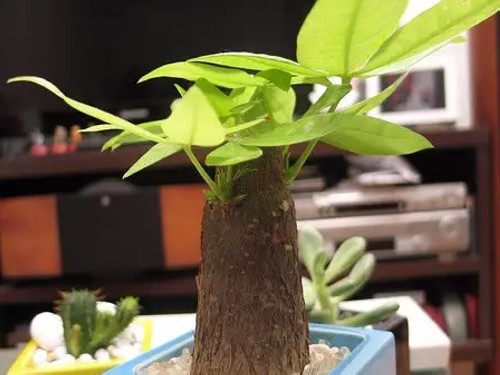
How to Rescue a Money Tree with Root Rot? Detailed Guide to Saving a Potted Plant
The money tree (Pachira aquatica) is a popular potted plant. It can be sown when temperatures reach above 20°C, and the germination rate from seed is quite high. Compared with purchased potted cuttings, a money tree grown from your own seed is easier to care for. Money trees do not like water, and overwatering can cause root rot. But the plant shows symptoms rather slowly
-
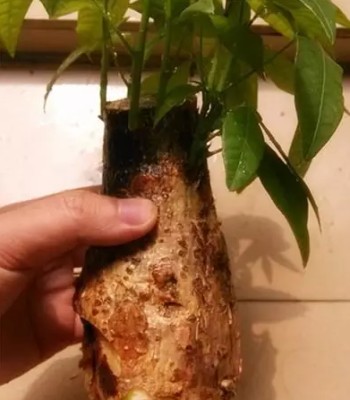
Can a money tree survive root rot? A full guide to the correct treatment
Root rot on a money tree is a real headache, and it is how most money trees die. You cannot see the root rot at all, so how do you tell? If the stem base feels soft when you touch it, the rot is already severe and it is basically very hard to save. If the soil stays waterlogged, root rot comes easily too. If you catch it early, it can still be saved. Let's take a look together.
-
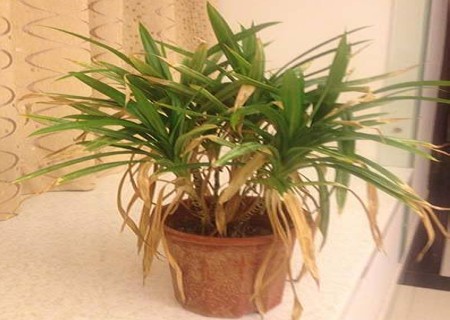
What to Do When a Dragon Tree Has Root Rot? Learn the Correct Way to Handle It
When you notice the leaves of your potted dragon tree drooping and wilting, you may not realize that the plant's root system inside the pot has already rotted. So, what causes root rot? In fact, most potted plants develop root rot due to overwatering, poor drainage in the pot leading to prolonged moisture, and water accumulation.
-
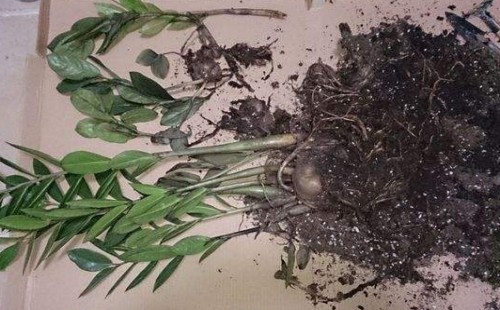
How to save a money tree with root rot? A few practical methods
For enthusiasts who like growing money trees in pots, sometimes improper care and management inevitably lead to rot in the plant's roots and stems. To save the plant, targeted and timely measures are often needed. How do you save a money tree with root rot? During the rescue process, handling the roots is crucial
-
What is the overwintering temperature for grafted osmanthus on fringe tree rootstock?
The fringe tree (Chionanthus retusus), also known as April snow, is a relatively rare and precious protected tree species. In summer, its entire canopy is covered with white flowers, like a blanket of snow, clear and delightful. The fringe tree can not only be grown in pots, but can also be made into stump bonsai, and is moreover an excellent rootstock for grafting osmanthus.
-
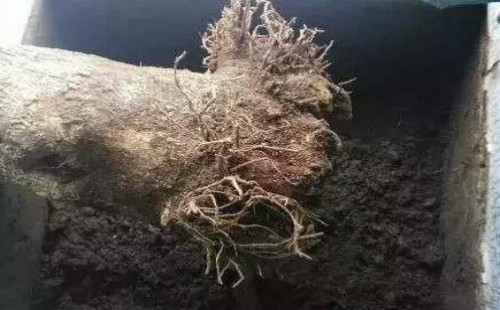
Methods and Tips for Re-rooting a Money Tree After Root Rot
The thing potted flowering plants fear most is root rot, and root rot means a decline or loss in the plant's ability to absorb through its roots. If rescue measures are not taken in time, at best the branches and leaves will turn yellow and drop, and at worst the plant will die. This is especially true for a tree species like the Money Tree (Radermachera sinica), which has a massive canopy of branches and leaves but a relatively shallow root system.
-
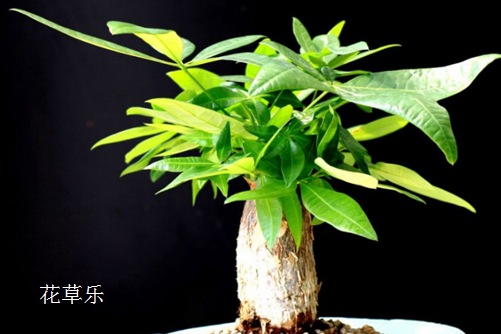
What to Do If a Money Tree Has Root Rot? A 1-Minute Guide to Bring It Back to Life
Many people grow money trees (Pachira aquatica) at home, but various problems always come up during their growth: yellowing leaves, withered leaves. These two situations are actually not too bad, since they occur on the surface of the plant. The most serious problem is root rot in the money tree. Once the roots rot, it seems very hard to save.
-

When do pear trees bloom and what are the common grafting rootstocks?
The pear tree is a perennial deciduous fruit tree of the genus Pyrus in the Rosaceae family. It is a tree that is widely distributed around the world. The fruit of the pear tree is edible and has high nutritional and medicinal value. So, when do pear trees generally bloom? What are the common grafting rootstocks? When do pear trees generally bloom? Because pear trees have a wide distribution range
-
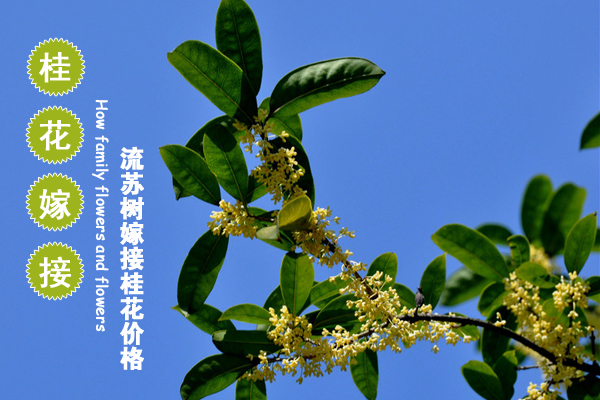
What tree is best used as a rootstock for grafting osmanthus?
What trees can osmanthus be grafted onto? The rootstocks that can be used for grafting osmanthus include small-leaf privet (Ligustrum quihoui), large-leaf privet (Ligustrum lucidum), water wax (Ligustrum obtusifolium), white wax (Fraxinus chinensis), and osmanthus seedlings grown from seed or cuttings. (1) Small-leaf privet: a deciduous or semi-evergreen shrub, 2-3 m tall, with spreading branches and twigs bearing short pubescence
条件筛选