-
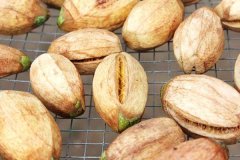
Taiwan-endemic plant jelly fig (Ficus pumila var. awkeotsang) pictures and characteristics, how to tell processed aiyu jelly apart?
In the scorching summer, the jelly fig looks and is about the same size as the Taiwan native mango. Many people love a bowl of icy aiyu jelly to cool off and beat the heat. Natural aiyu jelly is rich in dietary fiber and enzymes, healthy and delicious; but did you know that 90% of what is sold on the market is processed aiyu jelly?
-
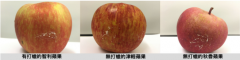
Is it better to peel apples or not? There's a difference between natural wax and processing wax on the peel
Apple winter management techniques are relatively difficult, but apples appear in the market all year round, and even in the refrigerator at home. Which waxes are natural fruit wax, and which are artificial fruit wax? And how should they be handled before eating to be safest? When buying apples at the market
-
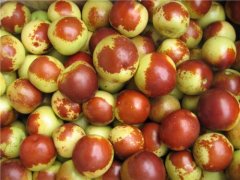
Will winter jujubes turn fully red as their color develops? Selection methods and the use of rapid-reddening agents
Winter jujubes generally have a color that is a mix of green and red, but some winter jujubes are purple-red. Why is that? Why are winter jujubes so sweet? Many people think that only red jujubes count as ripe. Some vendors, in order to attract consumers, treat green jujubes to make them red.
-

When to Plant Honeysuckle? Learn How to Process It to Increase Added Value
During the pandemic, because it was rumored to have a preventive effect, honeysuckle once sold out completely, and as for growers, their enthusiasm for planting the following year also increased greatly. So when is honeysuckle planted? How can processing increase its added value? Let's explain one by one below, just
-
How to Treat Tomato Fruit Diseases? A Detailed Guide to Prevention and Control Methods
Tomatoes are threatened by many pathogens and pests during their growth, and are prone to various diseases that make the fruit unharvestable, so how do you treat tomato fruit diseases? Common tomato fruit diseases include late blight, gray mold, cottony rot, cotton bollworm, and others.
-
What to Do About Herbicide Damage in Tomatoes? A Detailed Guide to Practical Remedies
Tomatoes can suffer herbicide damage when pesticides are applied improperly during growth, so what should you do when tomatoes develop herbicide damage? 1. Tomato growth habits. Tomato is a plant of the Solanaceae family and the Solanum genus. The tomato fruit is rich in nutrients and has a distinctive flavor. It can be eaten raw, cooked, or processed into tomato paste, juice, or canned whole fruit.
-
What to Do When You Over-Fertilize Your Flowers? A Detailed Guide to the Right Remedies
In the process of growing flowers, you may end up fertilizing too much, which can burn the roots and kill the plant, so what should you do when you over-fertilize your flowers? 1. What to do when you over-fertilize your flowers. You can water several more times first to dilute the fertilizer concentration. If watering
-
What to Do When Jasmine Gets Pests? A Detailed Guide to Pest Control Methods
Disease or pest problems can occur during any cultivation process, and jasmine is no exception, so what should you do when jasmine gets pests? 1. What to do when jasmine gets pests? Pests on jasmine are generally a kind of small white insect. The small white insects on jasmine may
-
A detailed guide to bean sprout cultivation methods, with the full process
Summary Seed selection: choose plump, glossy, high-quality varieties. Seed soaking: soak the high-quality seeds for about 5 hours, then remove them and drain them. Sowing: choose a container measuring 40x50cm, place the seeds on the soil surface and press them in just a little, then cover them with a layer of covering material. Temperature: right after sowing, the temperature needs to be controlled at 18°C, and after the seeds sprout, the temperature needs to be controlled at 23°C. Water: water once every 5 hours. Harvesting: about 7 days after planting, they can be harvested.
-
The correct planting method and detailed steps for garlic sprouts
Summary Variety selection: choose early-maturing varieties with strong disease resistance, high quality and high yield. Land preparation and fertilization: choose a plot with convenient irrigation and drainage, flat terrain, and loose, fertile soil for planting; per mu, apply an appropriate amount of decomposed organic fertilizer and three-element compound fertilizer, then deeply plow the land. Seed
条件筛选