-
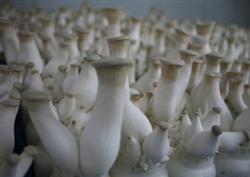
A detailed guide to the king oyster mushroom cultivation process, so easy to understand you will get the growing steps at a glance
What should you pay attention to when cultivating king oyster mushrooms? King oyster mushroom is one of the edible mushroom species newly developed in recent years. Because its cultivation techniques are not yet widespread, some problems encountered in production often affect yields, so attention must be paid to them. 1. Most of the mushroom bags become contaminated during the spawn-running process, and in severe cases...
-

A Detailed Guide to Post-Harvest Handling and Processing Methods for Wine Cap Mushroom
Wine cap mushroom, also known as King Stropharia, is a domesticated wild mushroom species, and in recent years there has been a trend of gradual expansion. Its mushrooms have a delicate fragrance, crisp and tender flesh, good palatability, high yield, high selling price, and very considerable economic benefits. However, its fresh products have a short storage time and are not easy to preserve. If not sold fresh in time, huge losses will be caused. In order to ensure that economic benefits are not lost, the salting processing and dried product processing techniques for wine cap mushroom are now introduced. 1. Salting processing of wine cap mushroom. 1. Harvesting. The mushroom bodies of wine cap mushroom used for salted export should be at 6-7
-
How to Process and Handle Stropharia rugosoannulata After Harvest
Stropharia rugosoannulata, also known as the wine cap stropharia, is a domesticated wild mushroom species, and in recent years there has been a trend of gradual expansion. Its mushrooms have a delicate fragrance, crisp and tender flesh, good palatability, high yield, high selling price, and very considerable economic benefits. However, its fresh product has a short storage life and is not easy to store, and if not sold fresh in time, huge losses will be caused. In order to ensure that economic benefits are not lost, the salt-preservation processing and dried-product processing techniques for Stropharia rugosoannulata are now introduced. I. Salt-preservation processing of Stropharia rugosoannulata 1. Harvesting. The fruiting bodies of Stropharia rugosoannulata used for salt-preserved export should be at 6~7 maturity, that is,
-
Practical Guide to Fresh-keeping and Processing Techniques for Shiitake Mushrooms
1. Drying equipment: Although shiitake drying equipment at home and abroad differs in form, scale and technical level, its principle is basically the same. Generally there are the following models: (1) forced circulation dryer; (2) forced ventilation parallel-flow dryer; (3) heat pump dryer. 2. Drying methods (1) Raw material handling Before drying, trim off the mushroom stalks or stem bases from the freshly picked mushrooms, remove impurities, and process after grading. Mushrooms picked on rainy days or with high moisture content should first be spread out to air-dry so that
-
How to Make Shiitake Mushroom Floss from Shiitake Stems? A Detailed Guide to the Processing Method
In artificially cultivated shiitake mushrooms, the stems account for about 30% of the fruiting body weight. Eating them directly is not only tough and hard to chew, but also not conducive to digestion and absorption. However, when processed into floss, they not only have a rich shiitake flavor but also combine the texture and mouthfeel of meat floss. They can be eaten alone, used as a side dish, or used as a filling for flavored foods such as sausages, pies and steamed buns. Because shiitake mushroom floss is rich in vitamin B2, vitamin D and the dietary fiber needed by the human body, it is a fairly ideal health food and has a certain effect in preventing rickets in children. Shiitake mushrooms
-
A Detailed Guide to Harvesting and Processing Shiitake Mushrooms
Storage and processing content: Harvesting methods for shiitake mushrooms (1) Harvesting time. It is best to harvest mushrooms on a sunny day, because mushrooms harvested on a sunny day have less moisture and better color; mushrooms harvested on a rainy day have more moisture, are difficult to dry, and are prone to turning black during the baking process, making it difficult to guarantee processing quality. For shiitake mushrooms cultivated indoors with bagged substrate, it is best not to spray water directly on the mushroom logs (blocks) before harvesting. (2) Harvesting method. In winter, temperatures are low, shiitake mushrooms grow slowly, and the harvested mushrooms have thick flesh, a strong aroma, and good quality. In autumn and spring, because temperatures are higher,
-
A Detailed Guide to Practical Techniques for Shiitake Mushroom Processing and Fresh-Keeping
When harvesting shiitake mushrooms, place them gently in plastic baskets without squeezing or deforming them, then remove impurities from the fruiting bodies, pick out damaged mushrooms, trim the base of the stems, and sort them according to cap size, thickness and moisture content, arranging them on bamboo blinds or reed mats in a ventilated place. They should be processed promptly; piling them together for a long time will reduce quality. 1. Drying shiitake mushrooms (1) Sun-drying: For mushrooms to be sun-dried, stop spraying water directly on the fruiting bodies 2-3 days before harvest to avoid excessive moisture content in the fresh mushrooms. Harvest promptly when the fruiting bodies are 70-80% mature, the partial veil has just broken, and the cap edges curl inward in the shape of a copper gong. It is best to harvest on a sunny day; after harvest, use stainless steel scissors to trim the stem base, sort according to cap size, thickness and moisture content, spread them gill-side up on reed mats or bamboo blinds, and place them in sunlight to dry. Generally, about 3 days of drying is needed to reach full dryness.
-
How to master the dehydration step in shiitake mushroom processing
Dehydrated shiitake mushrooms with good commercial value have bright yellow gills, a plump shape, uniform size and a rich aroma. To process good shiitake mushrooms, mastering the "dehydration step" is crucial. 1. Timely harvesting: this is the basis for ensuring the finished mushrooms have bright color. The main reason shiitake mushrooms become discolored during drying is that the mushroom bodies are injured before drying. To overcome this shortcoming and enhance the mushroom bodies' resistance to external pressure, timely harvesting is very important. They should be harvested when the partial veil has fully split and the cap has curled upward like a gong. Do not spray water in the 4 hours before harvest; harvest using the "twist-harvest method",
-
What should be paid attention to during the processing of shiitake mushrooms?
Shiitake mushrooms have long been known as a mountain delicacy, rich in nutrients and delicious in taste. Their dried products (commonly known as dried mushrooms) are classified into flower shiitake, winter shiitake, thick shiitake and thin shiitake. However, because current drying techniques and other methods lag behind, dried shiitake products suffer from problems such as poor color, weak aroma and unattractive mushroom shape, seriously affecting their commercial value. If shiitake mushrooms are processed well, their value can be increased by nearly 1 times. The following discusses the key techniques of processing methods for dried shiitake products: 1. Sun-drying method. Stop spraying water on the mushroom bodies 2 days before harvesting shiitake mushrooms, and choose clear weather
-
Detailed Guide to the Processing Methods and Techniques of Shiitake Mushroom Instant Tea
Instant tea is a solid beverage made by extracting and concentrating the effective soluble substances in tea leaves that determine the color, aroma and taste of the tea infusion, and it is a popular beverage on the international market. Shiitake mushroom instant tea is produced by adding shiitake mushrooms with their unique flavor during the production of instant tea, significantly enhancing the health benefits of the tea without losing the proper flavor of tea; it retains the characteristics of dissolving instantly when brewed, leaving no residue, and being easy to adjust in strength, and it can also be brewed on its own and mixed with milk, fruit juice, honey, sugar, etc., making it deeply loved by consumers. Its production method is introduced as follows:
条件筛选