-

Will Phalaenopsis die from high temperature and high humidity? Clever little tips for dealing with too much humidity
It is well known that growing flowers and plants depends on the weather, especially for the relatively delicate "Phalaenopsis" (moth orchid). Besides adding shade tools in summer, you also need to move it to a relatively cool spot, and it cannot be placed outside the balcony, because after hot weather comes more rain, and at this time high temperature + high humidity kills quite a few
-

Do water-soaked patches on Phalaenopsis leaves mean too much sun, and how should they be treated?
When water-soaked patches suddenly appear on the leaves of a home-grown Phalaenopsis. Some people, at first sight, think "Is it because it got too much sun?" Actually, this matter is not that simple. Today I will talk with you about the ins and outs of these water-soaked patches, and how to deal with them. Could too much sun cause this
-

What Happens If You Use Too Much Sphagnum Moss for Phalaenopsis? How Much Is Just Right?
Many flower lovers know that Phalaenopsis needs sphagnum moss, but how much is actually appropriate? And what problems arise if you use too much? Today let's talk about these super practical gardening tips! Sphagnum moss has extremely strong water absorption. Use too much and the pot becomes like a "big reservoir." Phalaenopsis roots, like us humans, need to breathe! When there is too much sphagnum moss, it stays wet for a long time after watering, and the roots sit in a soggy environment, which easily leads to suffocated roots and root rot.
-
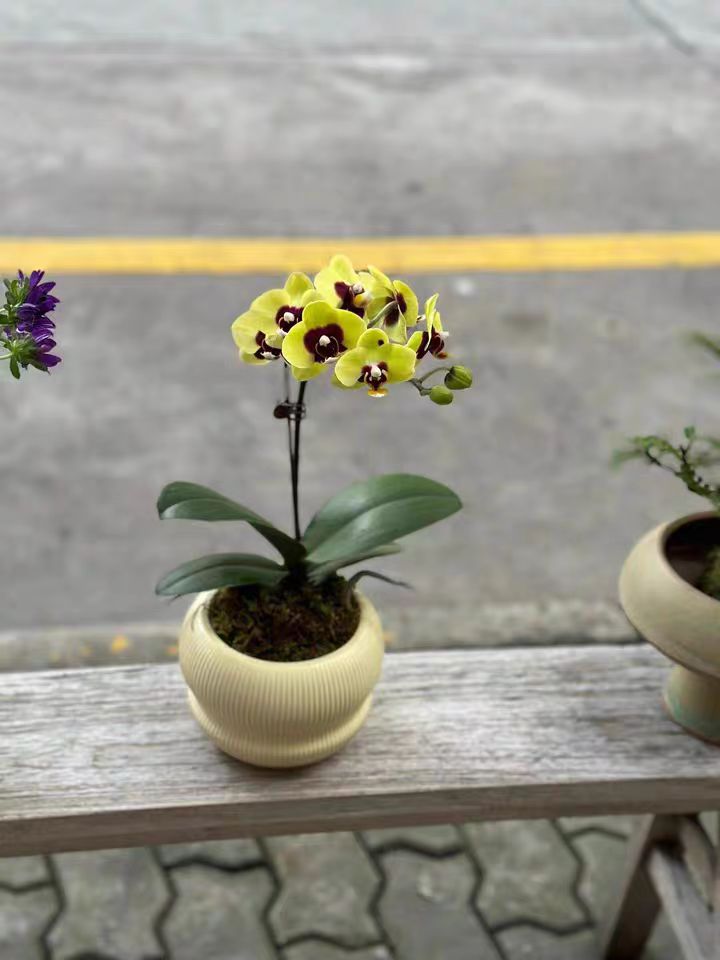
What happens if you use too much sphagnum moss for Phalaenopsis?
Many flower enthusiasts know that sphagnum moss is needed for growing Phalaenopsis, but how much is appropriate? What problems will arise if too much sphagnum
-

Does Repotting a Phalaenopsis with Too Much Force Kill It, and What Specific Harm Does It Cause?
Phalaenopsis (moth orchid) is a highly popular ornamental flower. During care, repotting is an important step, but if done with too much force, it can cause serious damage to the plant. Will a Phalaenopsis die if repotted with too much force? And what harm does excessive force cause? Phalaenopsis is an epiphytic plant, and its root system differs from that of ordinary plants, not
-
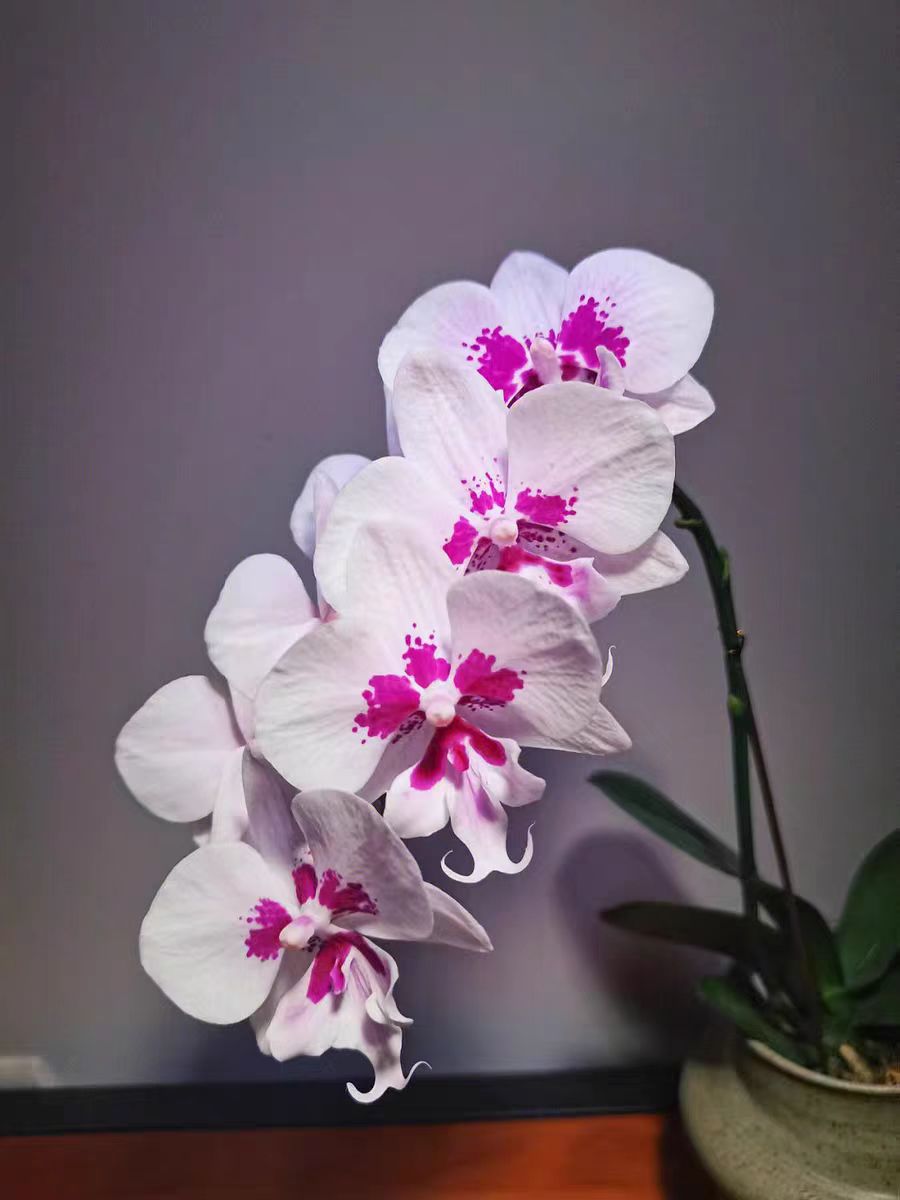
Will Phalaenopsis orchids die if too much force is applied during repotting?
Phalaenopsis orchids are highly popular ornamental flowers. During the maintenance process, repotting is an important step. However, if too much force is
-
What are the remedies for overwatering plants? How to remedy plants that have been watered too much
When caring for plants, a slip of the hand leading to overwatering is all too common! Don't worry, when plants are watered too much, you can remedy the situation using the following methods. 1. Stop watering immediately: stop watering right away, pay close attention to the roots and soil, and wait until everything is completely dry before considering further care. Continued watering will cause the roots to suffocate and rot, endangering the plant's life
-

What happens when a Phalaenopsis orchid is touched and moved too much?
In the world of flowers, the Phalaenopsis orchid is a darling of many flower lovers' desks and windowsills. But did you know that showing too much "care" to a Phalaenopsis orchid and touching it frequently can bring unexpected consequences, and this is closely tied to excessive touching and moving? Fragile leaves: The leaves of the Phalaenopsis orchid may look thick,
-
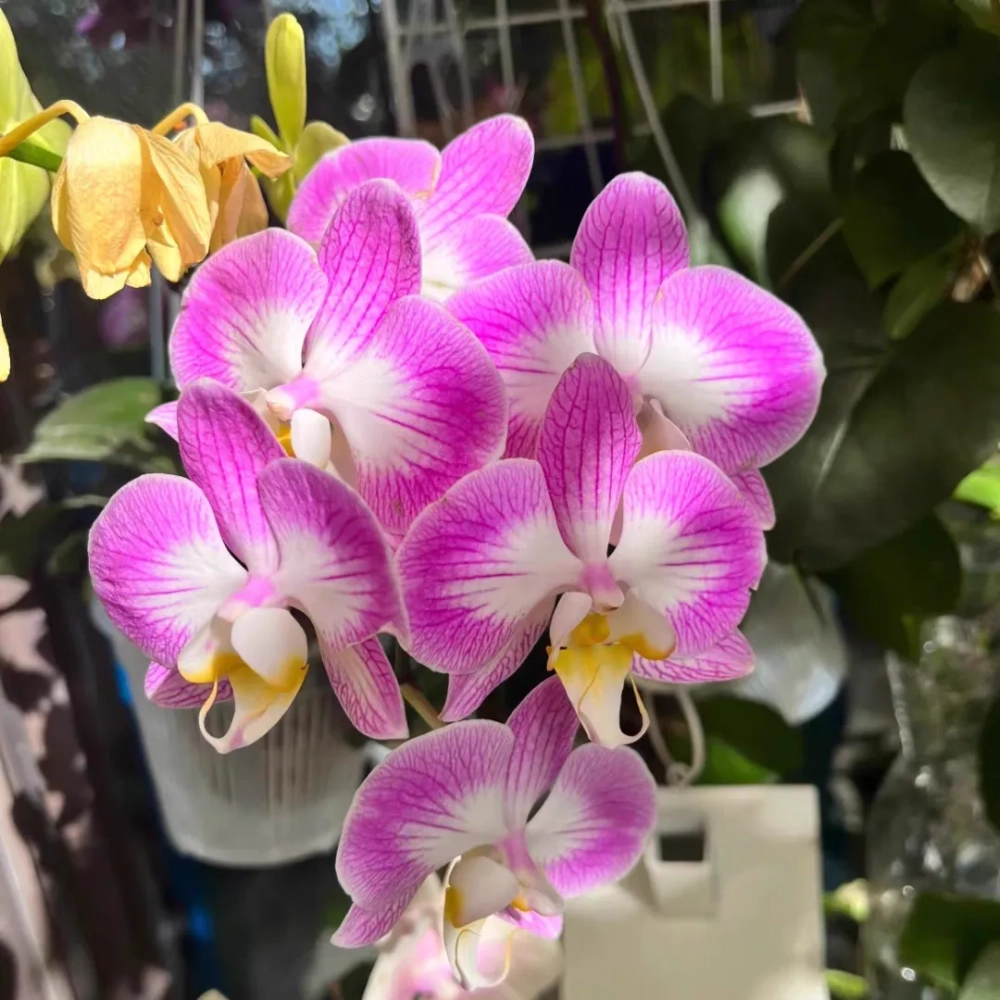
What should be done if too much fertilizer is applied to Phalaenopsis Split?
Today, I'd like to recommend a type of Phalaenopsis orchid to you all - the Phalaenopsis Split. Without exaggeration, it is the "beauty representative" among
-

Colchicum potted planting method and the harm to people from eating too much of it
Today I recommend a flower with a super strong autumn feel, and that is colchicum. Its floral characteristic is that the flower has no leaves, the flowers bloom in autumn, it goes dormant in winter, and the leaves grow out in spring. The flowering period is generally concentrated in autumn, and the flower colors are mostly light pink or purplish red. Colchicum is a wild flower native to Europe and belongs to the genus Colchicum in the lily family.
条件筛选