-
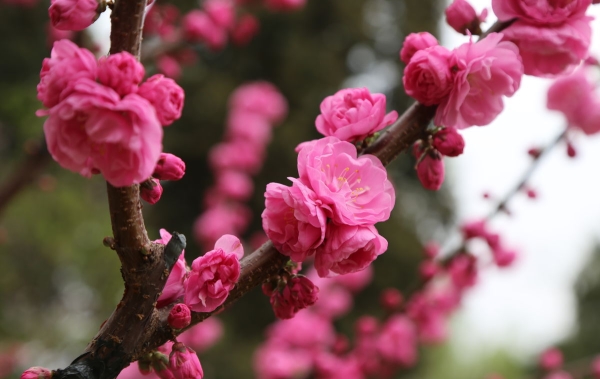
What are the key points to note when growing flowering almond (Prunus triloba)
During the growth of flowering almond, it needs frequent pruning, and it is a very pruning-tolerant plant. Pruning and thinning out the branches can reduce water evaporation, which in turn relieves pressure on the roots
-
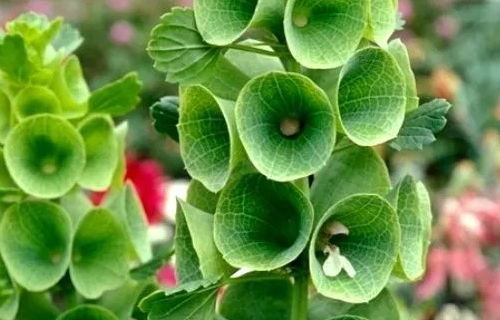
What are the key points to note when growing Moluccella laevis?
Pinching During the growth of Moluccella laevis, pinching is needed to encourage more branching and to shape the plant. Pests and diseases Moluccella laevis is fairly robust by nature and has relatively few pests and diseases, but sometimes it can be harmed by leaf miners, so you need to observe the plant's growth regularly, spot the problem in time, and take control measures.
-

-

What are the key points to note when growing blanket flower?
When the blanket flower seedlings are ready to be transplanted into pots, place some broken tiles or crushed bricks at the bottom of the pot to serve as a drainage layer, then sprinkle some decomposed fertilizer as a base fertilizer, and put another layer of soil on top of the base fertilizer. After that, the plant can be planted, and once planted it should be watered.
-
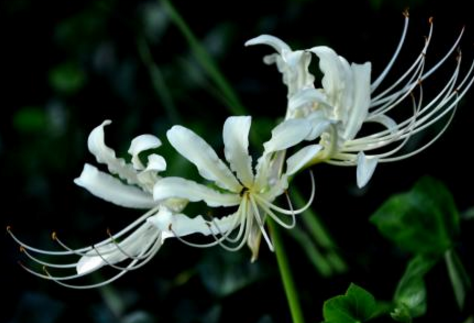
How to Grow White Spider Lily and Key Points to Note
1. Soil: The white spider lily is highly adaptable to soil, but it is best grown in sandy soil rich in humus that is loose and well aerated, which will make the plant more vigorous. 2. Light: The white spider lily needs ample light; both full sun and partial sun conditions suit its growth. Plants lacking sunlight will have their flowering affected.
-
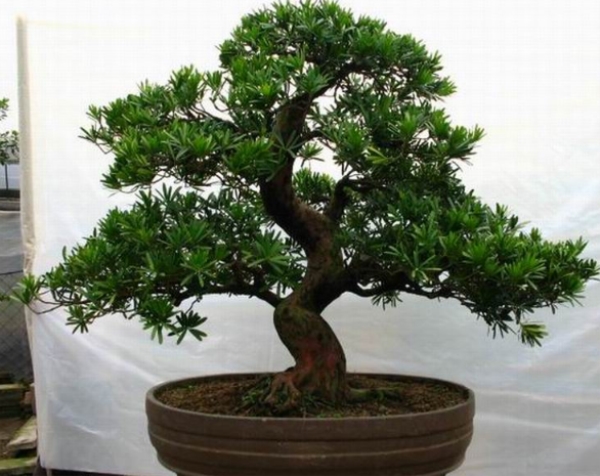
What are the key points to note when growing Buddhist pine (Podocarpus macrophyllus)?
Because Buddhist pine has a well-developed root system and strong sprouting ability, and stays green with foliage throughout all four seasons, it consumes a large amount of nutrients during its annual growth. If grown for two years, the walls of the pot are basically filled with fibrous roots, and the fertility of the soil is basically exhausted. Therefore, during its growth, it is essential to repot frequently to maintain the nutrient supply
-
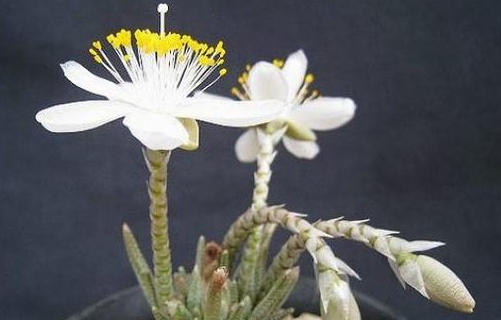
How to Grow White-Flowered Avonia quinaria? Care Methods and Things to Note
1. Potting soil: If we are rooting White-Flowered Avonia quinaria from cuttings, we need to choose a loose, fertile soil, and to prevent waterlogging and allow the roots to breathe, our soil also needs to have good drainage and aeration, so that the potting soil will not become waterlogged and the roots can breathe normally.
-
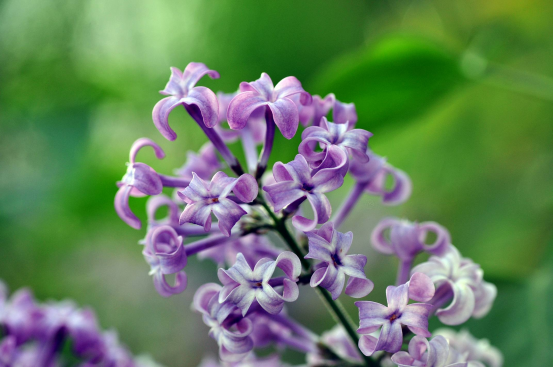
What are the key points to note when growing lilacs?
1. Lilac is a subtropical plant that prefers an island climate, and the average temperature for the plant should not be lower than 21°C. 2. If the temperature drops below 3°C, it will cause the lilac plant to die. 3. For growing lilacs, neutral soil is preferable; acidic soil should be avoided. It is not tolerant of waterlogging, so watering must be done with care and not too much.
-
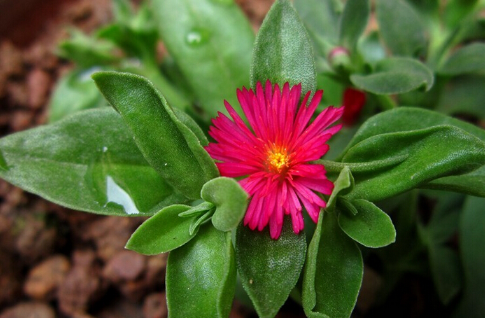
How to Care for Variegated String of Hearts (Aptenia cordifolia) After Cuttings and Key Points to Note
1. Watering After successful cuttings of the variegated string of hearts, there will be a period of acclimatization. During these 10 to 15 days, the amount of water must be kept low; simply water a little to keep the soil moist after it dries out. Only after the acclimatization period does watering return to normal, with watering once every 2 to 3 days in spring
-
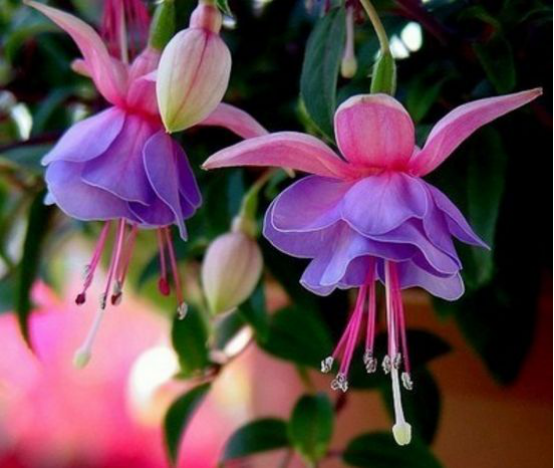
What are the key points to note when growing fuchsia?
(1) Increase fertilizer and water supply. Fuchsia grows quickly and blooms abundantly. Apart from not fertilizing during the hot summer, apply fertilizer once every 10-15 days at other times. In summer, place the plant under a shaded shed, frequently spray water on the leaves or sprinkle water on the ground, and improve ventilation. (2) Pay attention to temperature. Fuchsia is afraid of cold
条件筛选