-
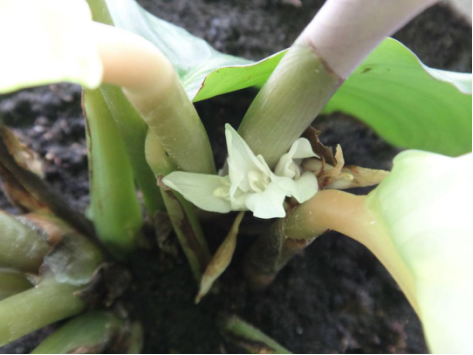
How to Grow and Care for Calathea orbifolia: Methods and Things to Note
Temperature Calathea orbifolia loves a warm and stable environment, so its resistance to heat is very low, but Calathea orbifolia is not only afraid of high temperatures, its cold tolerance is also very poor. Therefore, the most suitable temperature range for the growth of Calathea orbifolia is 18-30°C. In late spring and early summer, once the ambient temperature exceeds 25°C
-
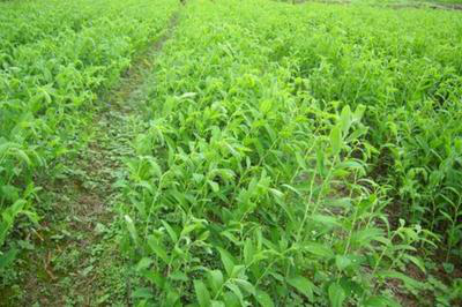
Fragrant Solomon's Seal: Growing Methods and Points to Note
1. Soil. Fragrant Solomon's Seal is suited to growing in deep, well-drained, slightly acidic sandy soil. When planting, also be careful to change the soil every other year, so as to ensure the nutrients needed for the growth of Fragrant Solomon's Seal are supplied. 2. Seed germination. Before sowing Fragrant Solomon's Seal, the seeds must first be germinated.
-
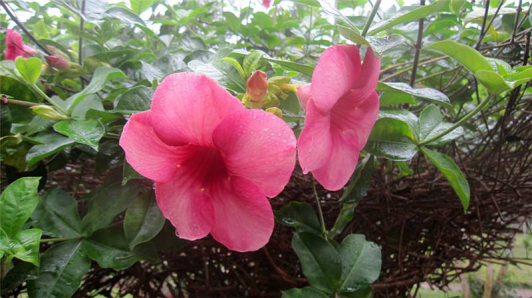
What are the key points to note when growing Dipladenia?
1. Dipladenia needs plenty of light; insufficient light will affect its blooming and is also bad for its growth. 2. When fertilizing, control the dosage of nitrogen fertilizer; excess nutrients will make the Dipladenia plant grow too vigorously, which is bad for blooming. 3. Although Dipladenia has strong stress resistance
-
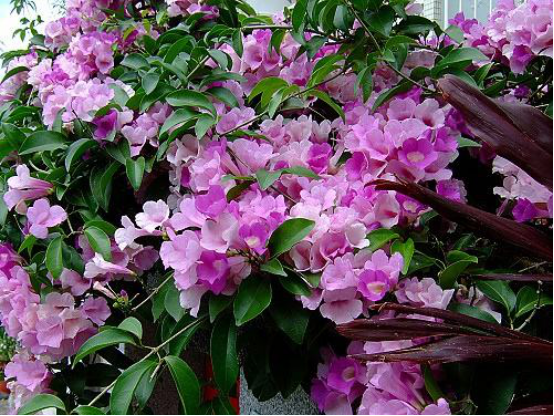
How to Grow Garlic Vine: Planting Methods and Things to Note
1. Choosing the pot and soil: If you want to grow garlic vine at home, the requirements for choosing a flower pot are relatively high. You should choose a pot suitable for garlic vine to climb or trail, and as for the soil, avoid choosing soil that is too moist and not breathable; choose relatively loose, free-draining soil
-
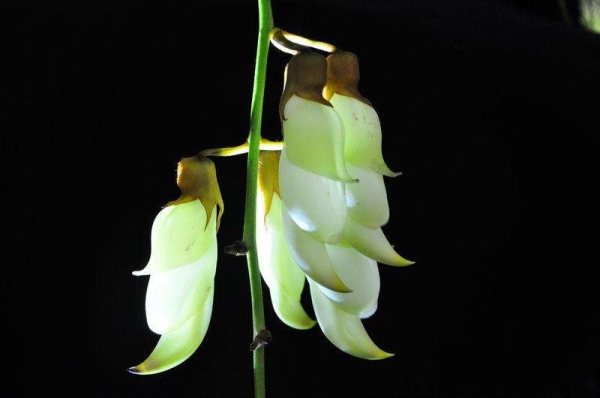
How to Grow Mucuna birdwoodiana and Points to Note
Mucuna birdwoodiana loves fertilizer, so when applying fertilizer we should pay attention to its rational use, and must not apply too much, which would burn the roots. Rational fertilization helps ensure sufficient nutrients during the growth period of Mucuna birdwoodiana, and can increase its leaf surface and thickness.
-

What are the key points to note when growing plum blossom bonsai?
In summer, when the light is too intense and the temperature is too high, you must shade the plum blossom; generally, keeping it indoors in a bright, well-ventilated spot is enough.
-
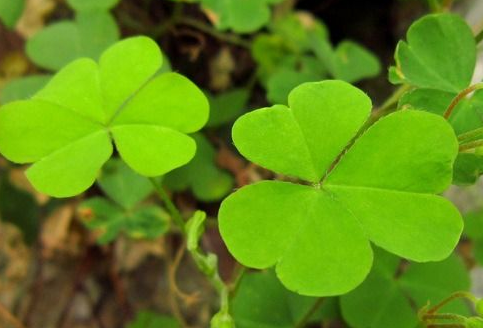
What are the key points to note when growing oxalis?
1. Soil Oxalis likes fertile, moist soil, but it is also afraid of waterlogging, so the soil must have good drainage. 2. Temperature Oxalis grows best in warm conditions at 16-22°C and is fairly cold-tolerant; it can stay lush green in winter even at minus five degrees, but if the temperature drops below minus five degrees the leaves will wither.
-
How to Grow Sinocalycanthus chinensis and Things to Note
1. Light and Temperature Sinocalycanthus chinensis can tolerate a brief high temperature of 40°C and a low temperature of -15°C. Sinocalycanthus chinensis likes a warm, humid environment with not-too-strong sunlight, which is more suitable for its growth. If Sinocalycanthus chinensis is exposed to full sunlight for a long time, its leaves will turn yellow and its growth will suffer.
-
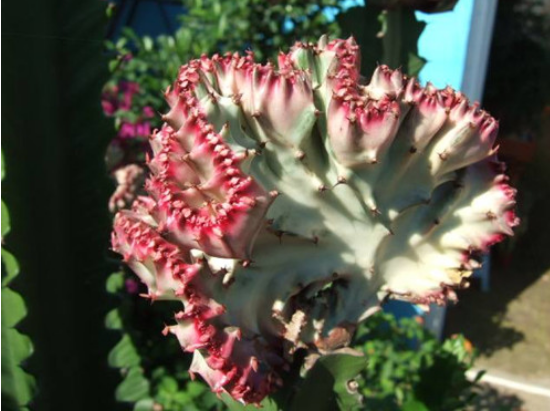
What are the key points to note when growing the crown of thorns (Euphorbia milii)?
1. Note to prune in time. Prune in time the branches that grow too long and too dense to encourage the crown of thorns to branch more. If you do not prune, the plant shape of the crown of thorns will not be attractive and the number of flowers will also decrease. Timely pruning will make the crown of thorns bloom more and branch more. 2. Repot in time. It is best to repot the crown of thorns once every 1-2 years.
-
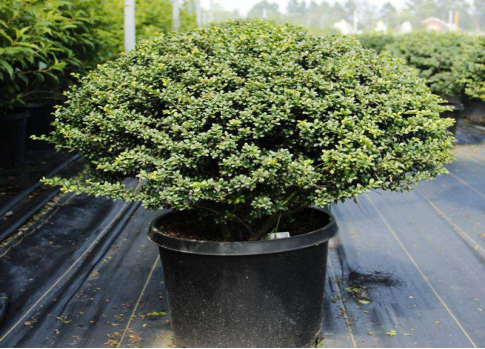
How to grow potted holly? Care methods and points to note
Soil: Holly prefers a warm climate, has some cold tolerance, and likes moist, semi-shaded and fertile soil, but it can also grow well in ordinary soil, as it is not strict about environmental conditions. After planting holly seedlings, water once and then let them grow naturally; depending on the situation, water once every half a month.
条件筛选