How to Grow White Spider Lily and Key Points to Note
1. Soil
The white spider lily is highly adaptable to soil, but it is best grown in sandy soil rich in humus that is loose and well aerated, which will make the plant more vigorous.
2. Light
The white spider lily needs ample light; both full sun and partial sun conditions suit its growth. Plants lacking sunlight will have their flowering affected.
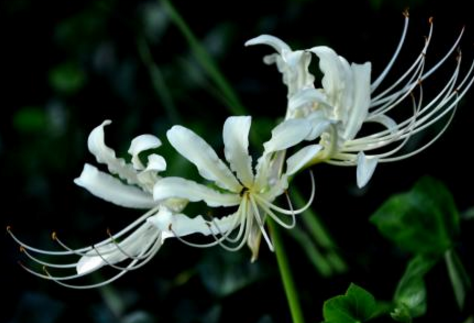
3. Temperature
The white spider lily likes a warm environment, with an ideal growing temperature of 15-25°C. If planting, do so during the warm period of winter and spring.
4. Water
After planting, the white spider lily needs a thorough watering to keep the soil moist and provide plenty of water for the plant to grow. When the soil surface dries out and turns grayish-white, water should be replenished promptly.
How to Grow White Spider Lily
How to Grow White Spider Lily
Temperature
The white spider lily is suited to cultivation on flat ground, with an ideal growing temperature between 15-25 degrees. It is relatively suited to planting in the north, and best planted during winter and spring.
Light
The white spider lily likes to grow in an environment with ample light and can grow under full sun or partial sun conditions. When light is insufficient, the plant will flower poorly.
Soil
The white spider lily has low soil requirements, but it grows best in sandy loam or loam rich in humus with good drainage, which can make the plant's flower stalks flourish and make it more beautiful.
Fertilizing
Before planting the white spider lily, plenty of organic fertilizer can be buried in, after which a topdressing should be applied every two months. Homemade decomposed compost can be used for topdressing, and attention should be paid to the ratio of phosphorus and potassium fertilizer so as to effectively promote bulb development and flowering.
Watering
After the plant is cultivated, water it thoroughly. During the growing season, water frequently to keep the soil moist, but do not allow waterlogging, to prevent the bulbs from rotting in standing water. When the soil surface dries and turns grayish-white, it means water should be replenished promptly. From before flowering through the flowering period, ample water must be supplied.
How to Grow White Autumn Zephyr Lily: Growing Methods and Key Points to Note
The white autumn zephyr lily (Zephyranthes candida) is a perennial evergreen bulbous flower of the Amaryllidaceae family, native to Mexico and various South American countries, and is widely cultivated in China. The white autumn zephyr lily is suitable for planting along flower borders and in clumps on lawns, and is also best for indoor display as a potted plant. So let us learn together about how to grow the white autumn zephyr lily, its growing methods and key points to note!
How to grow the white autumn zephyr lily, its growing methods and key points to note:
1. Growth habits: The white autumn zephyr lily likes ample sunlight, tolerates partial shade and low humidity, and is suitable for planting in a growing environment with fertile soil, good water and fertilizer retention, clay soil and good drainage, which is more conducive to the growth and flowering of the white autumn zephyr lily.
2. Temperature: When the white autumn zephyr lily enters the high-temperature period of summer, the growing temperature should be maintained below 35°C, which is more conducive to the growth of the white autumn zephyr lily. In winter, the growing temperature for the white autumn zephyr lily should be above 10°C; otherwise, the white autumn zephyr lily will stop growing and frost may also occur, causing the plant to fail to overwinter safely.
3. Fertilizer and water management: The white autumn zephyr lily has relatively high fertilizer and water requirements, but growers must not apply fertilizer and water indiscriminately. The fertilization principles of "apply dilute fertilizer frequently, small amounts with more applications, complete nutrition" and "alternate dry and wet, dry means thoroughly dry, do not water if not dry, water thoroughly when watering" should be followed, and after fertilizing, the plant's leaves and flowers should be kept dry. During the vigorous growing season, the white autumn zephyr lily needs a topdressing of thin liquid fertilizer once every half month.
The above is how to grow the white autumn zephyr lily, its growing methods and key points to note. Growers should care for the plant according to the above growing methods, which can improve the ornamental value of the white autumn zephyr lily and make it produce more beautiful flowers.