-
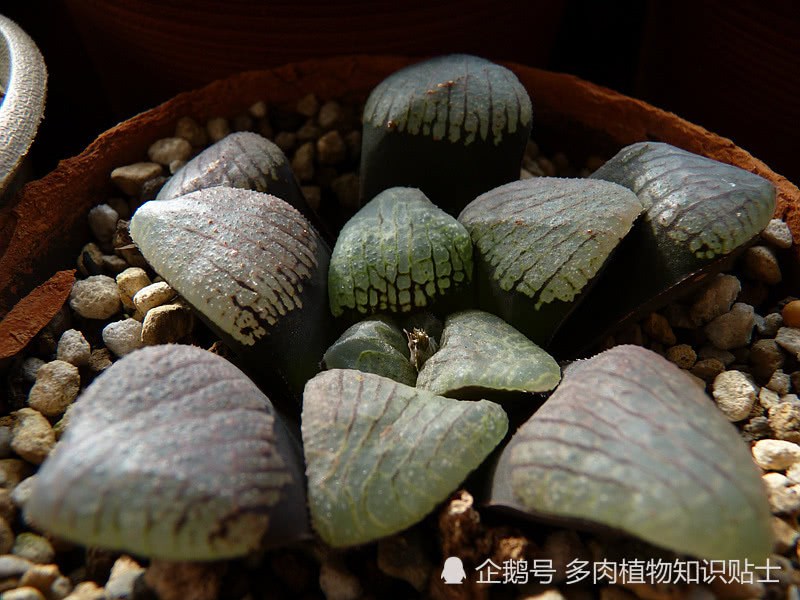
Haworthia tissue culture tips for beginners, a must-read for succulent newbies
I've been in the Haworthia rabbit hole for two years now, and I've grown quite a few varieties myself, some tissue-cultured, some not. I come to the forum every day, and from time to time I see posts analysing whether tissue culture is good or bad! I keep mulling over this question too. On the plus side, it lets everyone have Haworthias to play with; on the minus side, it disrupts the market order. (Thanks to jpw214 for the material)
-

How to propagate chrysanthemums? A detailed guide to tissue culture and rapid propagation methods
The chrysanthemum is one of China's national flowers, with high ornamental value and a character of enduring cold and defying snow. It is a very popular potted flower. Below, the editor shares a rapid propagation method for chrysanthemums with all flower lovers.
-

Fund Project: Technical Regulations for Micrografting of Rose Tissue-Cultured Seedlings
Fund Project: This study was supported by the National Natural Science Foundation of China (No. 31272208, 31772352); and the Special Project on National Science and Technology Basic Resources Investigation (No. 2017FY100100)
-
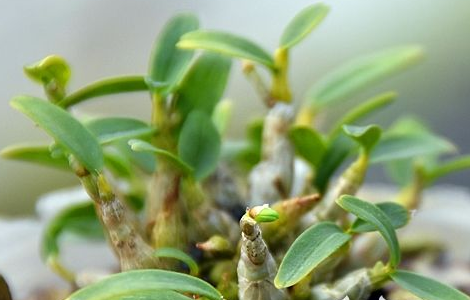
Detailed Explanation of Aseptic Sowing and Tissue Culture Techniques for Cattleya
For fruit cultivation, at flowering time select a well-grown mother plant for self-pollination and cross-pollination; 4-5 months after pollination, mature fruits will develop. For aseptic sowing, select mature fruits, soak them in 75% alcohol for half a minute, then place them in a 0.1% mercuric chloride solution and soak for 20 minutes.
-
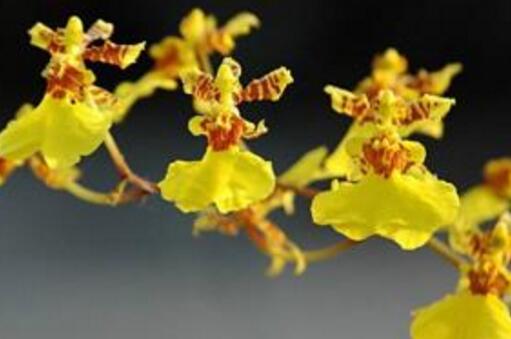
How to propagate Oncidium? Both division and tissue culture methods work
Oncidium is known as one of the five great beauties of the floral arrangement world, because its flowers are small and lovely with bright colors. So after we have grown it for a while, which method of propagating Oncidium is more reliable? This requires choosing a reasonable method based on its morphological characteristics
-
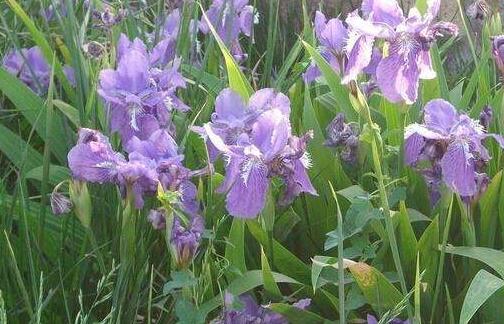
How to Propagate Gladiolus? Division of Corms, Corm Cutting, and Tissue Culture All Work
Gladiolus is a very popular cut flower. As long as the cultivation methods for gladiolus are appropriate, it grows very quickly. Generally, after 1 year, one mother corm can produce many small corms, and these small corms can be used for propagation. So how do you propagate gladiolus? Let me tell you three commonly used propagation methods for gladiolus.
-
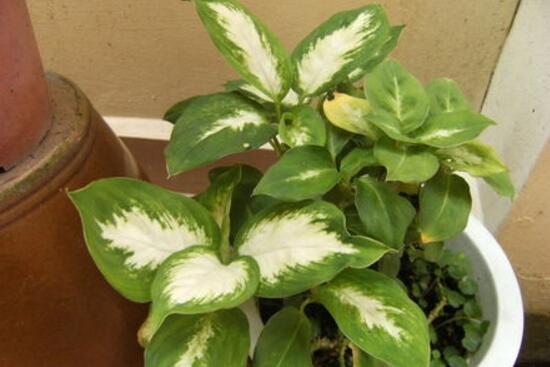
Propagation methods for Dieffenbachia: tissue culture can also succeed
Dieffenbachia has broad, beautiful leaves and is easy to keep alive. It is often used to accent living rooms, studies and other places, and is one of the most popular indoor potted plants. In daily life, many people keep a Dieffenbachia at home; some buy ready-made potted plants, while others propagate them themselves. So how do you propagate Dieffenbachia?
-
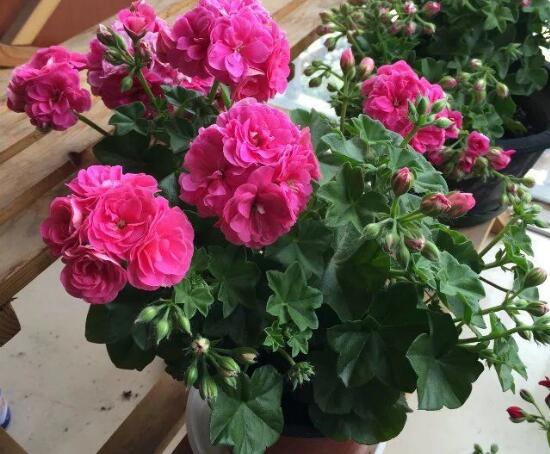
Geranium propagation methods include cuttings, seed sowing, and tissue culture.
Geranium is a highly ornamental plant, and it can be seen in many gardens in our country; its blooming period is also its most beautiful moment. Of course, wanting it to produce beautiful flowers has a lot to do with the propagation process. Regarding how geraniums are propagated
-

Detailed Explanation of Shoot-Tip Tissue Culture Technology for Chinese Cymbidium
The new shoot growth period of Chinese cymbidium coincides with the hot, humid, rainy season in the south, when miscellaneous fungi proliferate rampantly, and the soil and media are especially severely contaminated with fungi. The potting medium used for inoculation sampling should carry as few miscellaneous fungi as possible, receive no organic fertilizer, and be placed in a light-transmitting, rain-sheltered location; when the new shoots first emerge, let the young shoots be exposed above the surface. Take new shoots 6-13 cm long, cut them high from the base of the plant, use a scraper to remove roots, debris and 2-3 outer sheath leaves; after thorough washing, cut the material again to 2-3 cm in length, and sterilize in a 10% hypochlorous acid solution for 10 minutes. If contamination
-
Detailed Explanation of Rhododendron Tissue Culture and Cultivation Management Techniques
As a high-grade ornamental flower, rhododendron is not easy to propagate and grow in North China. This is mainly because most of the soil in North China is alkaline, while rhododendrons prefer typical acidic soil, thus making propagation and planting somewhat difficult, and they can only be grown as greenhouse flowers. Rhododendron propagation methods include seed sowing, cuttings, layering and grafting, and tissue culture. Tissue culture does not require seeds; it only needs the stem tips of the current year's branches of the rhododendron. In a very short time, a large number of small rhododendron seedlings can be cultured in test tubes, and it is not restricted by season.
条件筛选