How to Propagate Gladiolus? Division of Corms, Corm Cutting, and Tissue Culture All Work
Gladiolus is a very popular cut flower. As long as the cultivation methods for gladiolus are appropriate, it grows very quickly. Generally, after 1 year, one mother corm can produce many small corms, and these small corms can be used for propagation. So how do you propagate gladiolus? Let me tell you three commonly used propagation methods for gladiolus.
How to Propagate Gladiolus
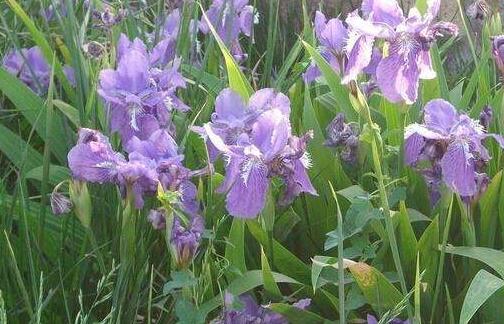
After many years of cultivation, there are three relatively commonly used propagation methods for gladiolus, namely corm division propagation, corm cutting propagation, and tissue culture. If you are a gardener who has just started growing gladiolus, the most suitable method is corm division. Corm cutting is more suitable for rare varieties, while tissue culture is suitable for cultivating new varieties.
Propagation Methods for Gladiolus
1. Gladiolus Corm Division Propagation
In one-year-old gladiolus, 1-2 commercial corms will form around the mother corm, and many small corms will also be produced. Large small corms have a circumference of 4-8 cm, medium ones are 2-4 cm, and small ones are below 2 cm. Generally, corm division propagation selects varieties with relatively small corms because it can ensure strong genetic characteristics, but the disadvantage is that it requires a long cultivation time.
After flowering ends in October-November, dig out the corms, then separate them according to size, keep the medium and small corms, dry them in a cool place, store them in an environment of 5-10 degrees, and then replant them in the spring of the following year after the temperature warms up.
2. Gladiolus Corm Cutting Propagation
For some relatively precious gladiolus varieties, there may be a situation where the number of corms is relatively small. At this time, corm cutting propagation can be used. So how do you propagate gladiolus at this time? Remove the outer skin membrane of the large corm, then use a sterilized tool to cut the corm into several pieces, ensuring that each piece has stem buds and a stem base.
Apply plant ash or charcoal powder to the stem base to prevent rot, place it in a cool place to dry, then plant it in culture soil with the stem buds facing upward, at a depth of about 5-10 cm, keep the soil moist and the temperature suitable, and after a period of time new leaves will grow.
3. Gladiolus Tissue Culture
Tissue culture requires selecting explants. On gladiolus plants, the relatively suitable explants are dormant buds, corm pieces, or petals. After disinfecting them, inoculate them, then place them in an environment with a temperature of 25 degrees and light of 2000 lux for cultivation. Through induction and rooting culture, small plantlets can be obtained. After the plantlets form, continue culturing them to obtain small corms, and after two years of planting they can grow into mother corms.
How to Propagate Gladiolus
Gladiolus Division Propagation
This is one of the main propagation methods for gladiolus, namely corm division propagation. After gladiolus is planted, new corms form where the mother corm sprouts. As the new corms slowly grow, many small corms form between the new corms and the mother corm. Large small corms have a diameter of about more than 1 cm and can bloom in the same year after cultivation, while small small corms are as large as mung beans and can bloom after one or two years of cultivation. In October-November after flowering, dig up the corms, separate them according to size, discard the old corms, keep the new corms and small corms, dry them thoroughly, then store them in a ventilated and dry place at 5-10°C, and they can be planted the following year.
If the number of corms is relatively small, they can be cut before propagation. Remove the outer skin membrane of the robust large corm, disinfect a sharp knife, and cut the corm into several pieces. When cutting, make sure each piece has more than one stem bud and stem base. To prevent rot, apply plant ash or charcoal powder to the stem base. After drying, plant with the stem buds facing upward in culture soil at a depth of 5-10 cm.
Gladiolus Seed Propagation
Gladiolus corms have no dormancy period. The capsules split open on their own when mature, so seeds should be collected in time. Because their lifespan is relatively short, they should also be sown in time after collection. Generally, broadcast sowing is used in early or mid-September. The temperature is best kept at °C, and seedlings can emerge in about one month.
Gladiolus Tissue Culture Propagation
Dormant buds, axillary buds, and corm pieces can all be used as explants. After disinfection and inoculation, they can be placed under 25°C conditions for cultivation. Through induction, subculture, and rooting culture, small plantlets are obtained. Continue culturing the small plantlets to obtain small corms. After two years of planting, they will grow into mother corms, and they are also virus-free.
The above are several gladiolus propagation methods summarized by me. I hope they can help everyone.
Complete Guide to Gladiolus Propagation Methods and Gladiolus Effects and Functions
Gladiolus has many varieties and very rich flower colors, and it is indispensable at weddings and banquets. So what are the propagation methods of gladiolus? What effects and functions does it have? Next, let us look at gladiolus propagation methods and gladiolus effects and functions together.
1. Gladiolus Propagation Methods
1. Corm division propagation: The smaller the corm, the better it can maintain the genetic characteristics of the variety, but the cultivation period is longer. Larger corms already have the ability to bloom, consume too much nutrients, and produce commercial corms of poor quality. Therefore, in cultivation, medium corms are best for breeding commercial corms. For medium and large corms, use the trenching and spot planting method, with a trench depth of about 3 times the corm diameter, and plant spacing flexibly controlled according to corm size. For small corms, use the trenching and broadcast sowing method, and for small corms, direct broadcast sowing is mostly used. Before planting, apply sufficient base fertilizer, but note that the fertilizer must not directly touch the corms. After sowing, pay attention to water management, and do not water before emergence unless the soil is dry.
2. Corm cutting propagation: For certain rare varieties, or varieties whose propagation coefficient needs to be rapidly expanded, plump and full commercial corms can be cut into 2-4 pieces. Each piece must ensure it has part of the root plate and complete, plump buds, to be used for small corm propagation. To prevent corm rot, the cut surface should be smeared with charcoal powder or plant ash and planted immediately.
3. Tissue culture propagation: Tissue culture propagation can renew and rejuvenate conventional cultivated varieties, because long-term asexual propagation of gladiolus causes quite serious variety mixing and degeneration, so regular tissue culture must be carried out for virus elimination and rejuvenation. Petals and lateral buds can both be used as explants. After disinfection and inoculation, they can be placed under conditions of 25°C and 2000 lux for cultivation, and small plantlets are obtained through induction, subculture, and rooting culture.
2. Gladiolus Effects and Functions
1. Gladiolus corms can be used as medicine and have excellent medicinal effects. They have the effect of reducing swelling and relieving pain for human bruises and injuries. After injury, people can directly mash the gladiolus corm and apply it directly to the injured area, changing the dressing once a day, and the swelling and pain can be quickly eliminated.
2. The stems and leaves of gladiolus contain a large amount of vitamin C. After extraction and processing by modern technology, they can be made into vitamin tablets and other health products for human consumption.
3. Gladiolus is also an important material for making cut flowers or flower beds. This plant is beautiful and moving in appearance, and when it blooms it is bright and elegant. It is the most common and most popular specialty flower across the country.
4. Gladiolus can be grown in divided plantings and is also an excellent gift for relatives and friends. The flower language of this plant is love, devotion, well-being, and longevity, suitable for giving to different groups of people. When placed at home, it can also absorb a large amount of carbon dioxide, with obvious effects on beautifying and purifying the environment.
The above isGladiolus Propagation Methodsand an introduction to gladiolus effects and functions. Everyone can choose the varieties they like for propagation.