-
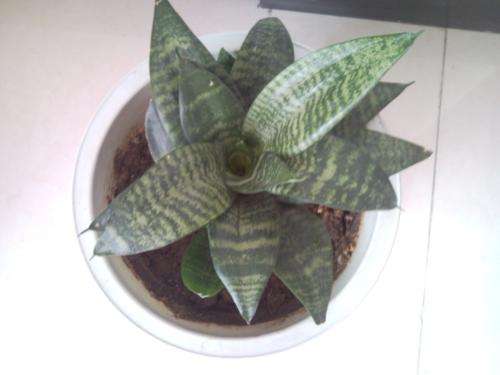
A Detailed Guide to Growing and Daily Care Tips for Croton
Because croton is a tropical plant, unlike most of China's temperate plants, growing croton requires a certain method. So let the editor add some explanation! First, the choice of growing soil: the soil needed for croton growth must be fertile and have good moisture-retention capacity.
-
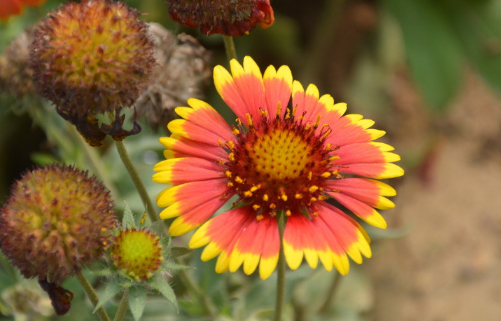
How to grow gaillardia (blanket flower) from seed? Sowing methods and care tips
Sowing time: This plant likes a hot, dry environment, so it is usually sown in summer, a period with plenty of light. Pre-treatment: 1. Soak the seeds in warm water for seven to eight hours so they fully absorb water and swell up. Even after swelling, the seeds are still very small.
-
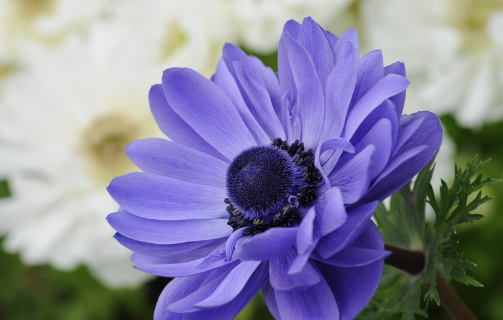
Anemone Growing Precautions and Daily Care Tips
Pests and Diseases Anemones can suffer from pests and diseases. The main diseases are rot, damping-off, gray mold, and powdery mildew, all of which are quite serious and require timely control. The main pests are aphids and cutworms, which can be sprayed with commonly used insecticides. Seed Collection Anemones can be grown from seed, and the seeds are generally sown as soon as they are collected.
-
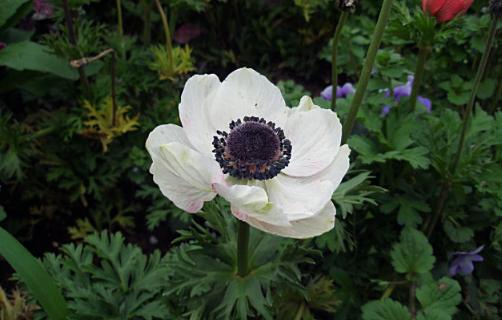
How to grow anemones? Mastering these cultivation tips is key
Before planting anemones, soak the tubers in water for 1-2 days so the anemone seeds absorb water and swell. For the potting soil, use 3 parts garden soil, 1 part leaf mold and 1 part rice husk ash, add 1 handful of decomposed compost or chicken manure per pot; in a pot with a diameter of 20 cm you can plant 3-5 corms, and when planting, the pointed end of the tuber must face downward and must not be inverted
-
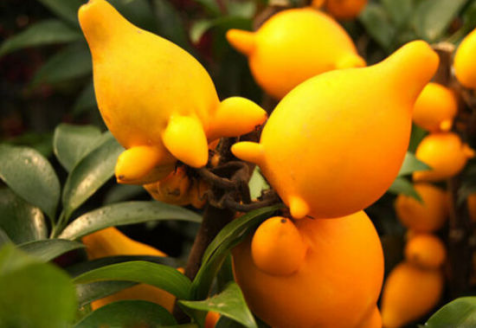
How to grow Gold Berry? Detailed methods and tips
1. Planting. When planting Gold Berry, it is best to choose a large flower pot with a rim diameter of 30cm or more. For the soil, it is best to use loose, fertile soil with good drainage. Do not mix in old soil left over from repotting. When planting in the ground, it is also best to choose a new patch of ground and avoid ground where flowers have already been grown.
-
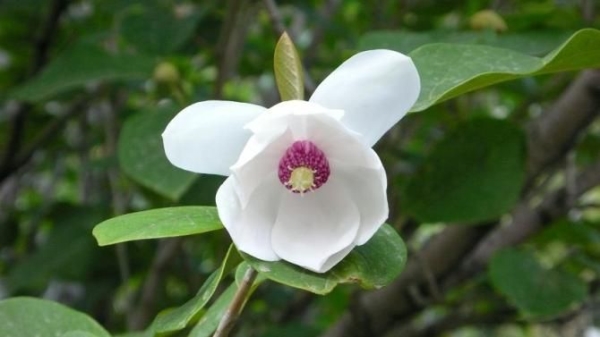
How to grow Magnolia sieboldii? Master these care tips
When growing Magnolia sieboldii in summer, you need to watch out for the high summer temperatures; do not let it be exposed to direct sunlight. You can place it in a cool, ventilated spot for care. Also, be sure not to use alkaline soil for cultivating Magnolia sieboldii. Alkaline soil may cause the plant to die.
-
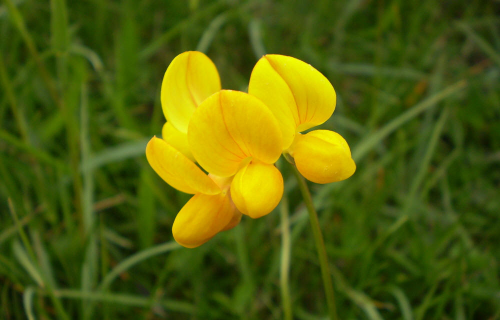
How to grow bird's-foot trefoil? Detailed care methods and tips
Light: Bird's-foot trefoil loves sunlight very much and is not shade-tolerant. It prefers a warm, humid climate. During its growing period, the plant must be given plenty of light so that it can accumulate sufficient nutrients for flowering. If bird's-foot trefoil receives insufficient light, the plant will produce very few flowers, and the plant will grow in a prostrate manner.
-
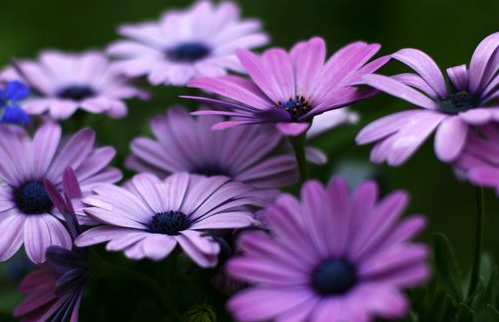
How to Grow Blue-Eyed Daisy (Arctotis)? Detailed Care Methods and Tips
1. Temperature The suitable growing temperature for the blue-eyed daisy is somewhat different from that of other plants. The most suitable growing temperature for the blue-eyed daisy is between 20-25°C. Temperatures that are too high or too low will directly reduce the seed germination rate, so when growing blue-eyed daisies we must control its growing temperature.
-
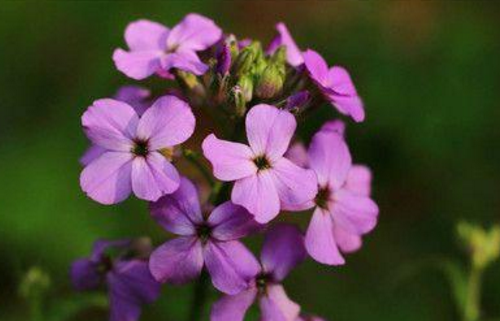
Cultivation Methods and Care Tips for Dame's Rocket
Light: Dame's Rocket loves sunlight very much. During cultivation, it can be given all-day light, or a slightly shady environment is also acceptable, but note that in summer, because the temperature is too high and the sunlight too strong, the plant must not be placed in direct sunlight; give it appropriate shade to prevent the leaves from being scorched.
-
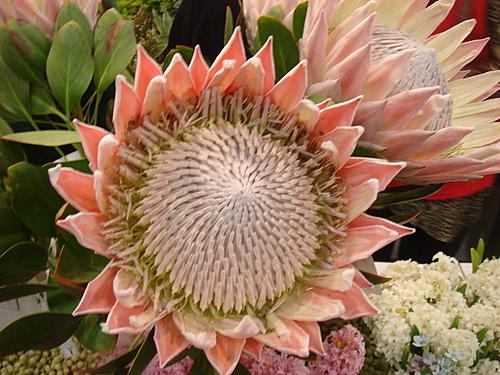
How to Grow King Protea? Planting Methods and Care Tips
Method One - Growing King Protea from Seed. When sowing seeds, this is generally done in autumn. First, collect the seeds of the king protea, then soak the seeds for a while, then plant the king protea seeds into the soil, then keep the soil moist, and finally just wait for the seeds to take root and sprout.
条件筛选