-
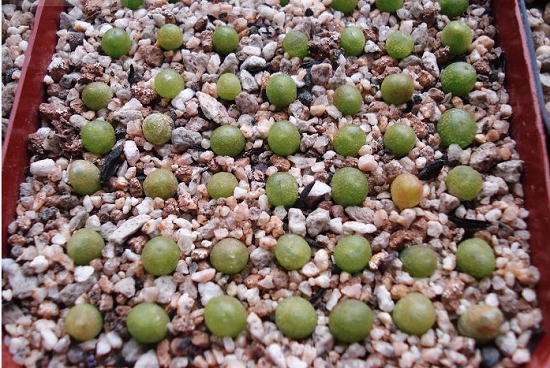
Sharing Lithops Sowing Methods and Seedling-Growing Tips
Succulent plants have taken the world by storm in a short time with their adorable looks, and Lithops are one member of the great succulent army. Many flower lovers try sowing Lithops, searching online for tutorials and methods, hoping to follow in the footsteps of those who came before and find a way to sow Lithops
-
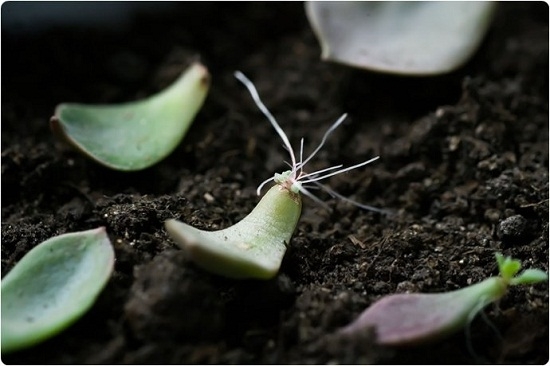
Succulent leaf cuttings really aren't that simple; you need to master these practical tips
Leaf cuttings are a fairly popular way to propagate succulents. Leaf cuttings are not only convenient but also have the advantage of fast propagation. However, leaf cuttings aren't just about pulling off two leaves and tossing them aside; there are some leaf-cutting techniques we need to pay attention to.
-

How to root Dudleya? Succulent rooting tips shared
Many people buy Dudleya online that have only a tiny bit of taproot, or even beheaded cuttings with no roots at all, so how do you get a succulent Dudleya to root well?
-
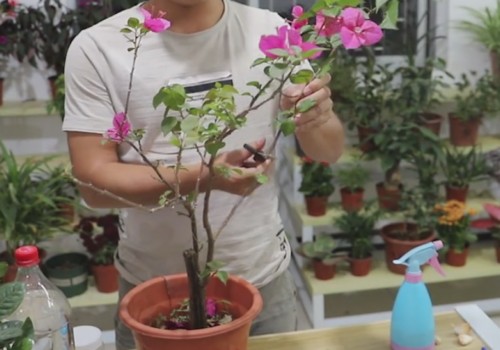
Bougainvillea leggy branch treatment methods and disease prevention tips
When bougainvillea does not bloom, its branches and leaves often grow too luxuriantly. So is it necessary to keep these overly vigorous branches on the plant? If they are cut off, how should the vigorous, robust long branches be handled? Throwing them away directly is naturally very
-

How to shape a Polygonum multiflorum bonsai? A few practical tips for you
Although Polygonum multiflorum has a huge tuberous root, its vines are slender and weak, and it hardly forms an obvious main trunk, so when shaping it, you can consider using the tuberous root to replace the trunk. You can also take advantage of the plump tuberous root that resembles a rugged stone and treat it as an ornamental stone for shaping; it can be planted as a single specimen or combined in groups of several.
-
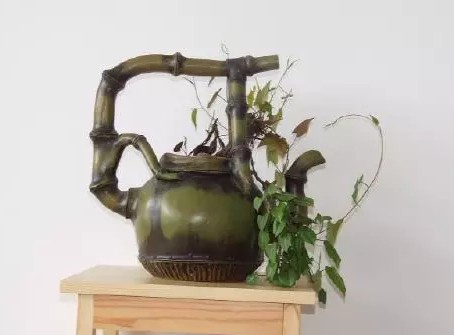
How to Build a Trellis and Prune a Fleeceflower Root (He Shou Wu) Bonsai? A Full Breakdown of Practical Tips
Many people know that He Shou Wu (fleeceflower root, Fallopia multiflora) is a medicinal plant with multiple functions such as tonifying essence and blood, darkening the hair and beard, strengthening the bones and muscles, and nourishing the liver and kidneys. In fact, it is also an excellent ornamental plant, and its ancient-looking, richly varied tuberous roots, lush vines, and delicate leaves can be used to create bonsai.
-
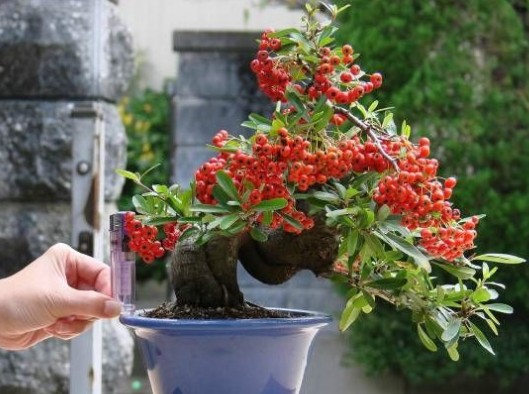
How to water a pyracantha bonsai? These tips you need to master
Pyracantha, also known as firestick fruit, life-saving grain, army-saving grain, and Qinling crabapple, belongs to the Rosaceae family as an evergreen shrub and is a common tree species in the subtropics. Leaves are obovate, bright green, in compound corymbs, flowers white; pome round, ripe fruit bright red, not withering after frost, red fruits hanging on the branches until they fall in the following spring, and it is a newly developed bonsai tree species in recent years
-
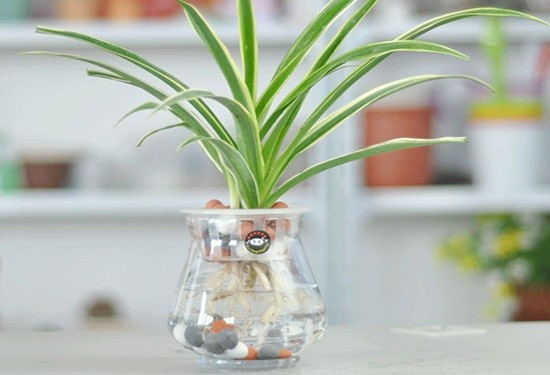
Water Change Tips for Hydroponic Plants: How Often Is Best?
In winter the air holds very little moisture, especially in the north, where indoor air is very dry, which is bad for plant growth, so in daily care please spray the leaves with clean water to maintain humidity; you can spray with clean water twice a day. 1. At around 20-25°C (spring and autumn) change the water once every 10-15 days.
-
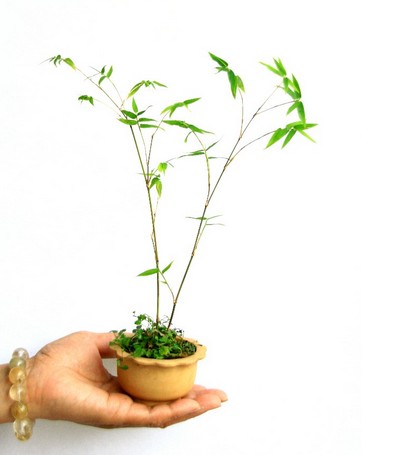
How to prune a bamboo fern bonsai? These tips you need to master
The bamboo fern (Bambusa multiplex) has a beautiful clump form, with slender branches that curve and droop like phoenix tail feathers, giving it extremely high ornamental value. It is an excellent landscaping material in the south, often planted in clumps at building corners, road bends, or beside pergolas. It tolerates pruning and can also be planted as a hedge. Pruning a bamboo fern bonsai is relatively simple
-
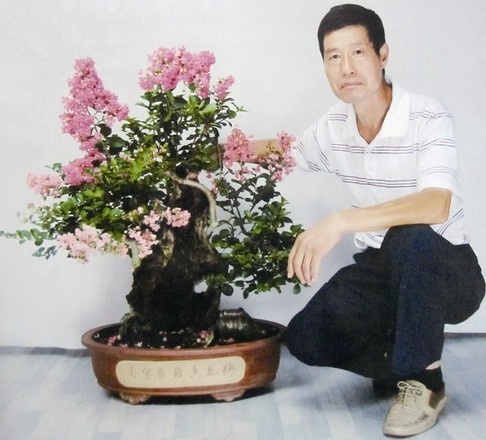
How to fertilize a crape myrtle bonsai? These tips you need to master
After autumn, the crape myrtle should be given a somewhat stronger organic fertilizer as a base fertilizer, but in general, crape myrtle trunks should not be given heavy fertilizer, to prevent the branches from growing excessively. When fertilizing crape myrtle, attention should be paid to the combined application of nitrogen and phosphorus fertilizers. During the growing season, apply a decomposed fertilizer once every half month. After each pruning, apply a nitrogen-based fertilizer.
条件筛选