Three things to avoid when planting eggplant, keep these three cautions in mind
Eggplant still has very large market demand, so growing eggplant is very common in our country now. The methods for planting eggplant are relatively simple, and the yield is also relatively high. However, although it is relatively simple to grow, there are still many points we need to pay attention to. Among them there are three "things to avoid," so what exactly are they? Below, the editor brings you the three things to avoid when planting eggplant, let's take a look!
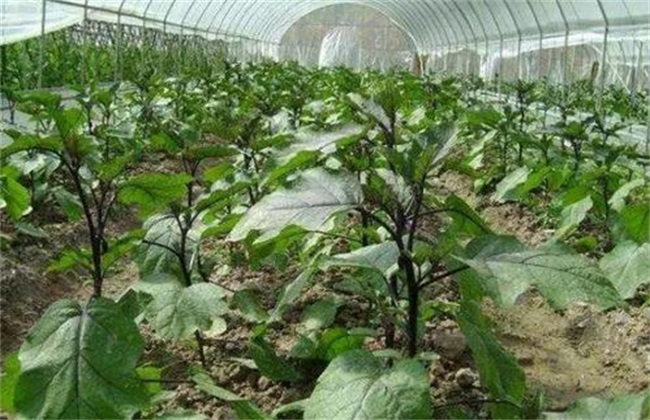
1. Too many cropping cycles should be avoided
Many growers think when planting eggplant that the more cropping cycles there are, the higher the eggplant yield will be and the higher the benefit will be. But in fact, the more fruiting cycles the eggplant has, the more the benefit will instead be affected and decline. This is because eggplant has a certain growth pattern; if there are too many cropping cycles, nutrient consumption is high, which affects the growth of the next cycle. Therefore when planting, if it is overwintering cultivation, it should be based mainly on overwintering large-cycle cultivation, with one cycle per year being enough. If it is spring and autumn cultivation, then two crops per year. Every year in summer the soil should be deep plowed and rained on, to mature the soil, and sterilization and insect-killing work should be carried out, so as to ensure eggplant yield and benefit.
2. Too much fertilizer should be avoided
Excessive fertilization is a problem that many growers have. Many people think that the more fertilizer there is, the more nutrients can be provided for eggplant growth. But in fact, excessive fertilization will cause the soil concentration to be too high. The eggplant roots are prone to reverse osmosis, causing the plants to wither and die, and the yield will also be affected and reduced as a result. Especially in greenhouses, in a high-temperature and high-humidity environment, organic matter decomposes quickly, and the content of available phosphorus is also greater than in open fields; excessive fertilization can easily cause fertilizer damage.
Therefore we should pay attention to controlling the amount of fertilizer applied, keeping the amount of organic fertilizer per mu at about 5000kg, and after applying chemical fertilizer it should be buried. Pay attention to improving the soil's carbon-to-nitrogen ratio and permeability, supplement an appropriate amount of trace elements, and ensure the soil nutrients are comprehensive and balanced. Then pay attention to monitoring the soil pH and salt content. If the sudden salt content is relatively large, then when fertilizing we should pay attention to focusing on applying an appropriate amount of humic acid fertilizer and EM bacterial fertilizer, etc., to degrade the soil salt content and reduce fertilizer damage.
3. Too high a temperature should be avoided
Finally there is temperature. When planting eggplant, the temperature should not be too high; the highest temperature should not exceed 32 degrees. If the temperature is too high, it will enhance the respiration of the eggplant plants, causing disorder in the eggplant's physiological activities, which is very unfavorable for fruit setting. It is prone to excessive vegetative growth, causing imbalanced plant growth and thus reducing yield. So we should manage according to the temperature requirements of eggplant at each growth stage and the suitable growth temperatures for each organ. When the temperature is too high, cool it down promptly to avoid high temperatures affecting eggplant fruit setting.
The above is a brief introduction to the three things to avoid when planting eggplant. That is all for today's introduction. This article is for reference only, and I hope it can be helpful to everyone!